Water as the key to the One Health approach
Water is an invisible thread that runs through the life of landscapes and communities. It flows in rivers and aquifers, nourishes ecosystems, supports agriculture, but above all, connects environmental health with human well-being. The One Health approach recognizes and values this interdependence: human health, animal health, and ecosystem health are all part of a single balance. In this context, water becomes a key to understanding how environmental quality influences the well-being of communities and, at the same time, how collective choices can contribute to its protection.
A new look at ourselves, the territory and the communities
Considering water as a central element means recognizing it not only as a natural resource, but as a space for relationships. Waterscapes—rivers, streams, ditches, springs, slopes, wetlands—are places where histories, local economies, biodiversity, and social practices intertwine. Exploring them with awareness allows us to develop a new perspective on the landscape, capable of grasping the connections between nature, culture, and health.
Community ecological empowerment
Vivi d’acqua is a community ecological empowerment program, a process through which we acquire knowledge, awareness, and tools to care for the ecosystems we are part of. It’s not just about learning about the environment, but about experiencing a direct connection with places, transforming individual experience into shared awareness and collective responsibility.
Five accessible circular routes
One of the key tools of this process is five circular trails, designed to be accessible and usable by a variety of audiences. Regular hikers, families, schools, and people with varying levels of mobility or experience can find itineraries suited to their abilities. The trails wind along waterscapes and natural environments that illustrate the relationship between the territory and the communities that inhabit it: the Entella River, water management, biodiversity zones, but also traces of human presence and transformations over time.
Walking as a practice of mindful listening
The circular structure promotes simple and inclusive use, inviting people to move through the space slowly and thoughtfully. Walking along these paths thus becomes a gesture of exploration and listening: to the landscape, its ecological balance, and local stories. In this way, contact with water is not merely visual or contemplative, but becomes an opportunity to reflect on its role in maintaining the life and health of the local area.
Trekking and cycling routes that might interest you
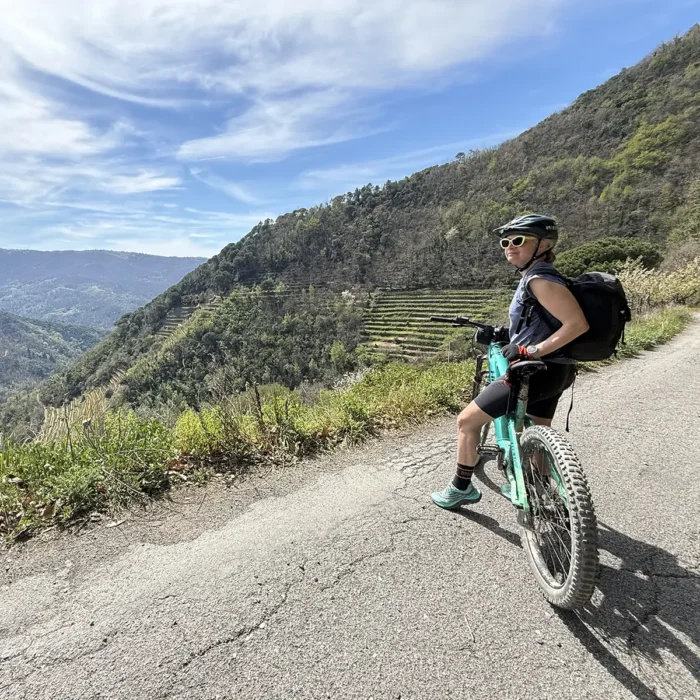
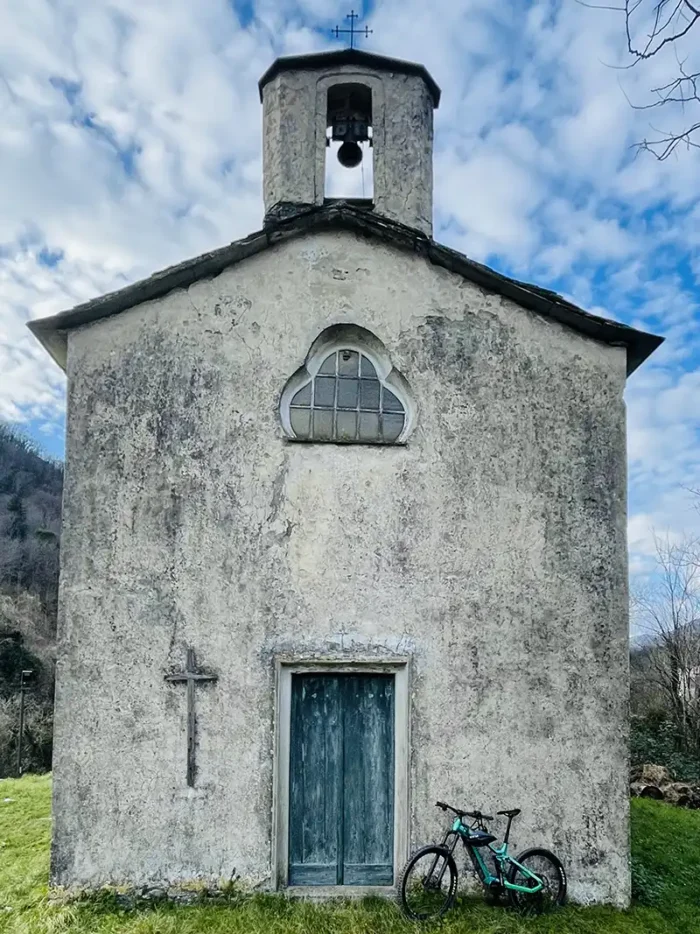
Itineraries of varying lengths, suitable for all tastes and levels of fitness, allow you to discover the most beautiful and evocative places and views of the Ligurian Tigullio.



The schedule of experiences
Alongside the itineraries, a program of experiences developed by local operators and professionals is at the heart of this shared learning experience. Environmental educators, nature guides, researchers, cultural and social workers offer activities that connect scientific knowledge, creative practices, and local knowledge. Themed excursions, workshops, biodiversity observation sessions, outdoor wellness practices, and local storytelling sessions become opportunities to explore the relationship between water, health, and community.
From individual experience to ecosystem
Through experiences, each participant can contribute to building a community more aware of the value of ecosystems and their role in preserving them. It is in this shared process that community ecological empowerment takes shape: a collective journey in which the health of the environment, people, and social relationships are recognized as parts of a single vital system.
The relationship between individual well-being and land care
Paths and experiences transform places into spaces for encounter and participation, where people can recognize themselves as active participants in a shared ecosystem. Knowledge is not abstract, but takes shape through the body, movement, dialogue, and discovery. In this way, the enjoyment of the territory is intertwined with the construction of social bonds and the growth of a widespread culture of environmental care.
A project by:

Granted by: