

Hazelnut Museum
The Ethno-Anthropological Hazelnut Museum of Mezzanego: History and Tradition
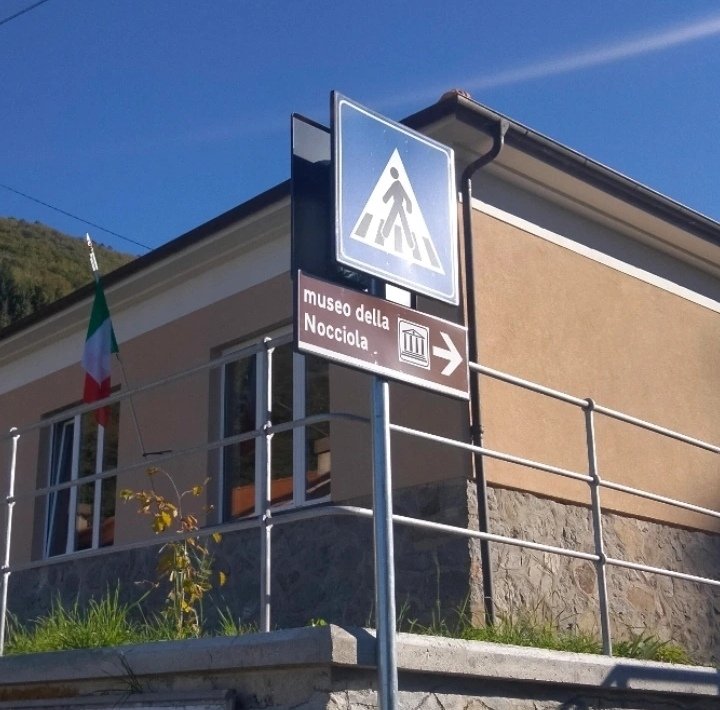
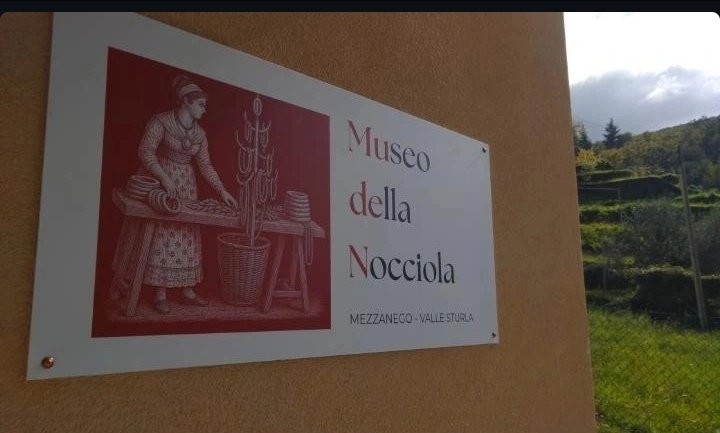
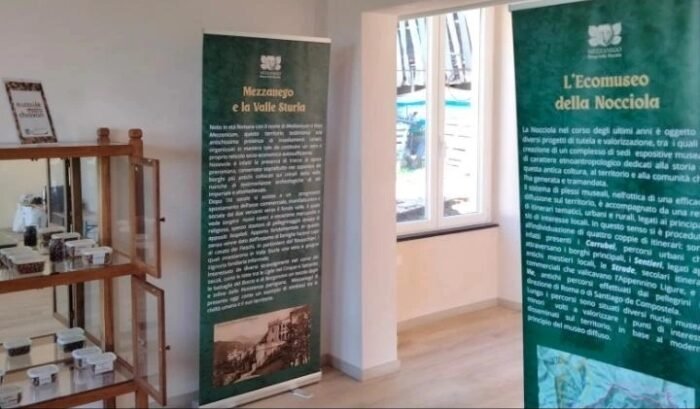
In the heart of the San Siro Foce hamlet in Mezzanego, along Provincial Road 26bis, stands the Ethno-Anthropological Hazelnut Museum, housed in the former elementary school. The choice of this building is strategic: it revitalizes a previously abandoned public space, transforming it into a cultural and community hub, while also maintaining a strong connection to the territory. The museum is located along the ancient road that climbed the Val Mogliana toward Passo del Bocco, historically leading travelers toward Parma, making it a welcoming gateway for visitors exploring the area.
Hazelnuts Through History and Archaeology
The domestic hazel (Corylus Avellana) has been present in the Tigullio region since ancient times: archaeological findings date its first evidence to the 3rd millennium B.C. in Rezzoaglio, while productive use in Mezzanego is documented between the 1st and 4th centuries A.D. at the Roman settlement of Porciletto. Historical documents, such as a 1446 deed of sale and the 1642 Caratata concerning Ca’ Matta, show the transition from wild plant to organized monoculture, paving the way for an export economy that, in the 19th century, brought local hazelnuts to international markets, as documented by the Chiavari Economic Society.
Quality and Resilience of Local Production
Production declined in the 20th century due to industrialization and globalization, compounded by the difficulty of mechanizing harvests on terraced slopes and the small, heterogeneous size of the nuts. Despite these challenges, as well as climate change and new pests, the exceptional quality of Mezzanego hazelnuts led, in 2017, to their inclusion in the collective geographical mark “Misto Chiavari.”
The Museum’s Sections and Territorial Heritage
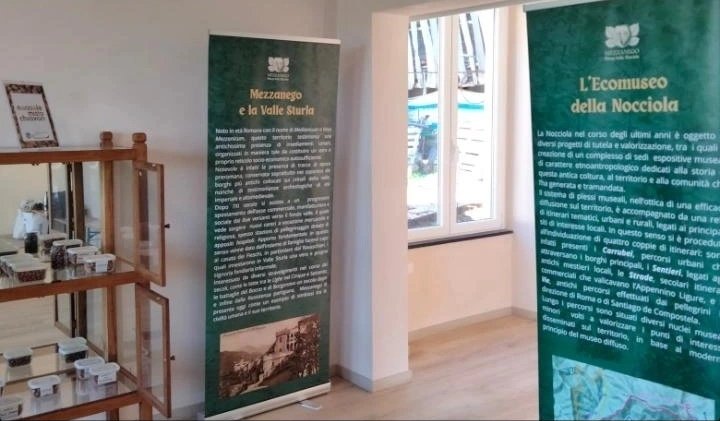
The western exhibition hall hosts three main sections. The first displays 52 samples of 28 Misto Chiavari hazelnut varieties, highlighting centuries of selection adapted to local microclimates, such as Tapparona for sunny slopes and Dall’Orto for more humid areas. The second section explores the development of the territory through models of archaeological and agricultural sites, while the third illustrates traditional artisanal cycles with models reproducing manual or animal-powered shelling systems.
A Museum Open to the Territory
The museum is integrated into a network of thematic itineraries starting from the exhibition space, providing visitors with a layered understanding of local history. Its ultimate goal is to give tools to interpret the interaction between humans and the environment, promoting sustainable development based on collective memory and the enhancement of the territory. Here, the hazelnut is not only an agricultural product but also a symbol of local culture and identity.
Trekking and cycling routes that may interest you
Itineraries of different durations and suitable for every taste and level of preparation, to discover the most beautiful and evocative places and panoramas of the Ligurian Tigullio.
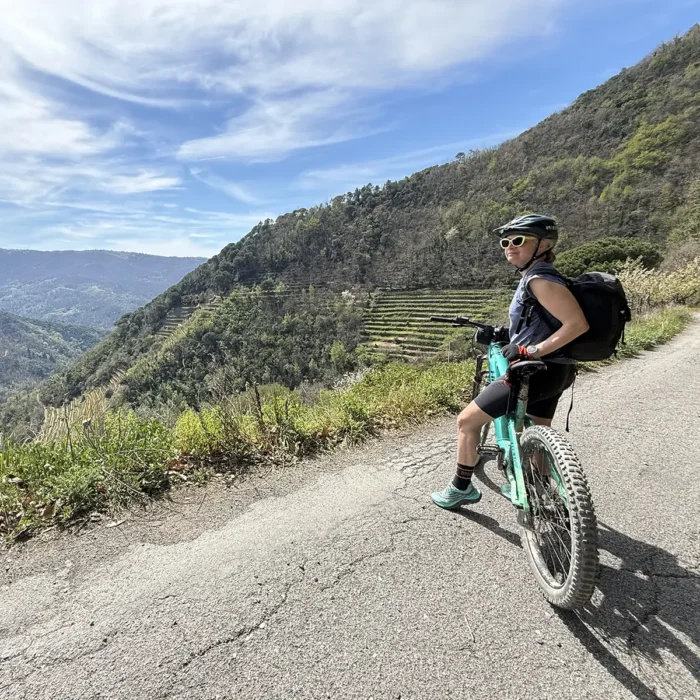



Local experiences that might interest you
Let yourself be guided and be surprised by the hidden treasures that the Ligurian Tigullio area is capable of offering you in every season.

Sport
Hiking routes, climbing, mountain biking and much more… Choose the sport in contact with nature that’s right for you!

Culture
Shows, Theatre, Music, Food and Wine, Reading… Experience the cultural and artistic proposals, immersed in the Ligurian landscape.

Nature
Geology, bird watching, nature engineering and other initiatives, to cultivate awareness and responsibility for environmental issues.
More heritage that may interest you
Catalog of the tangible and intangible heritage, a precious resource of the Tigullio for community building and local development.

Join us!
Preserve the history and traditions of the Ligurian Tigullio area and keep them alive for future generations.