

Caves of Val Frascarese
The Burial Grottos: Guardians of the Past
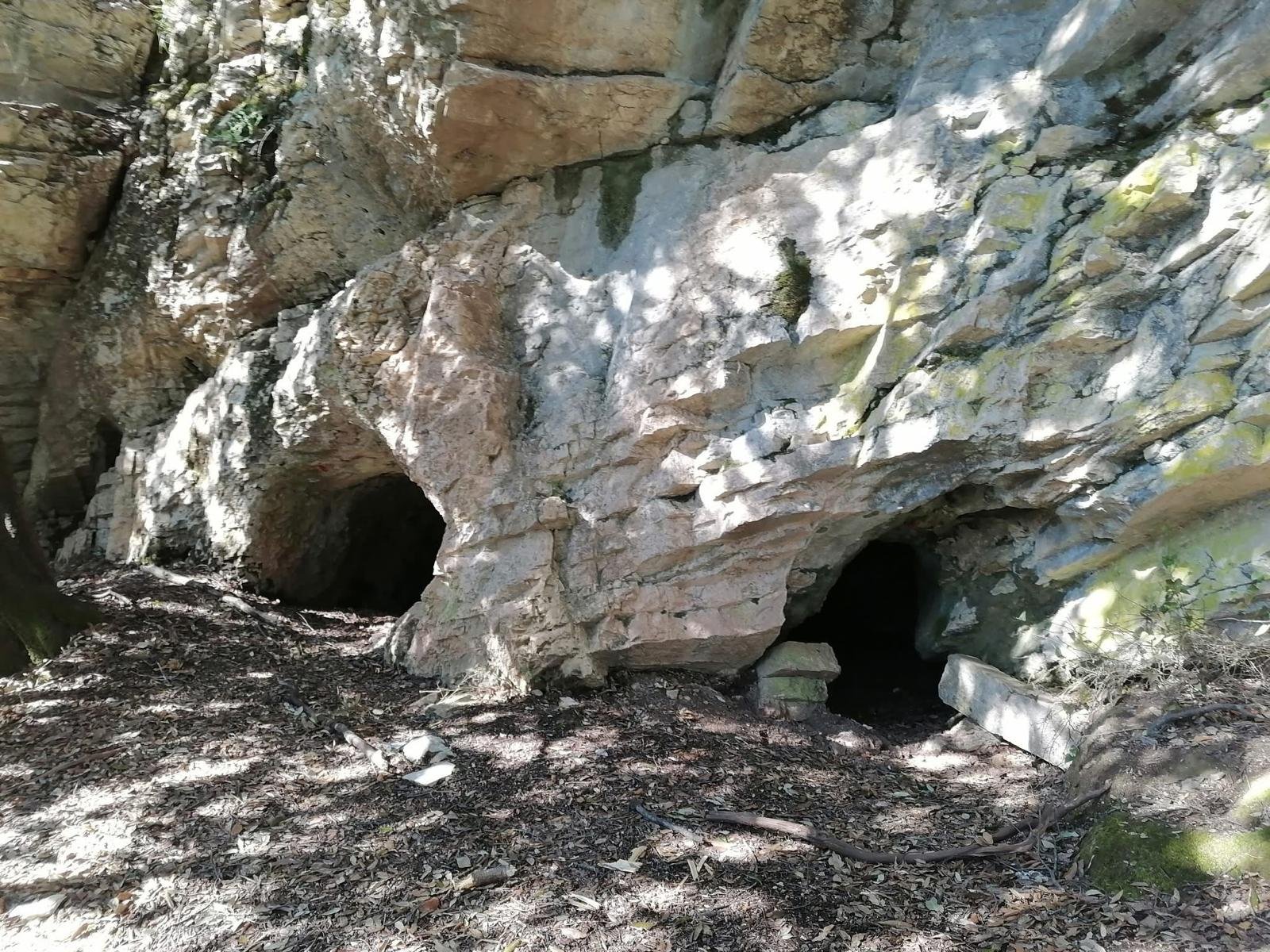
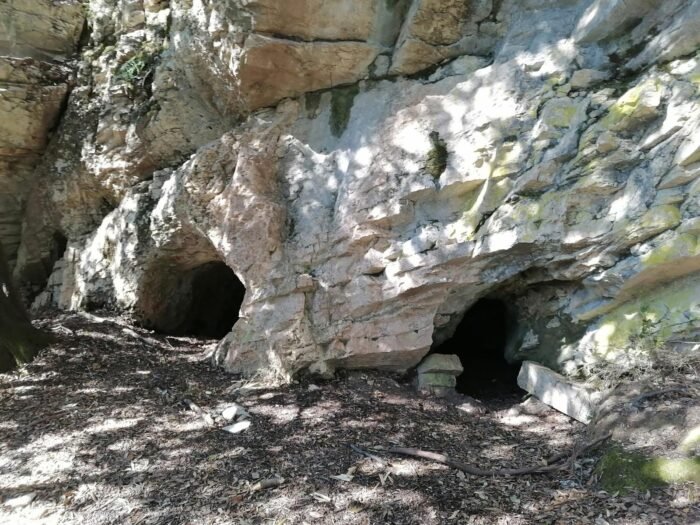
In the region spanning Liguria and northern Tuscany, archaeologists have documented unique collective burials within small natural cavities, technically called “burial grottos.” These spaces were not simple shelters but places dedicated exclusively to funerary purposes. Active for centuries, the grottos received successive burials, becoming silent witnesses to the continuity of life and death in prehistoric communities.
The Cemetery of Tana Da Prima Ciappa
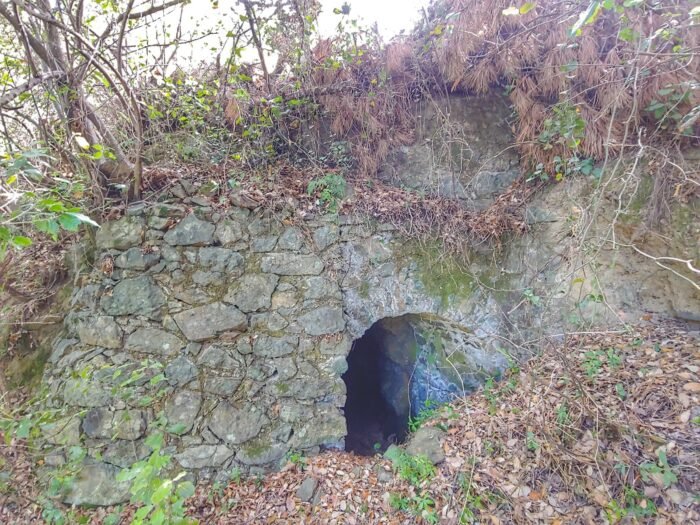
One of the most emblematic sites is the cemetery of Tana Da Prima Ciappa, where the long use of the grotto as a burial site for a group linked by kinship is clearly evident. Here, the remains of at least ten individuals were found, including two adolescents. Some shared cranial features suggest familial ties. The remains were often in ancient secondary deposition: five individuals, for example, were piled in the center of Gallery B with two skulls facing the entrance, while other artifacts were scattered in the lateral tunnels.
Funerary Treasures
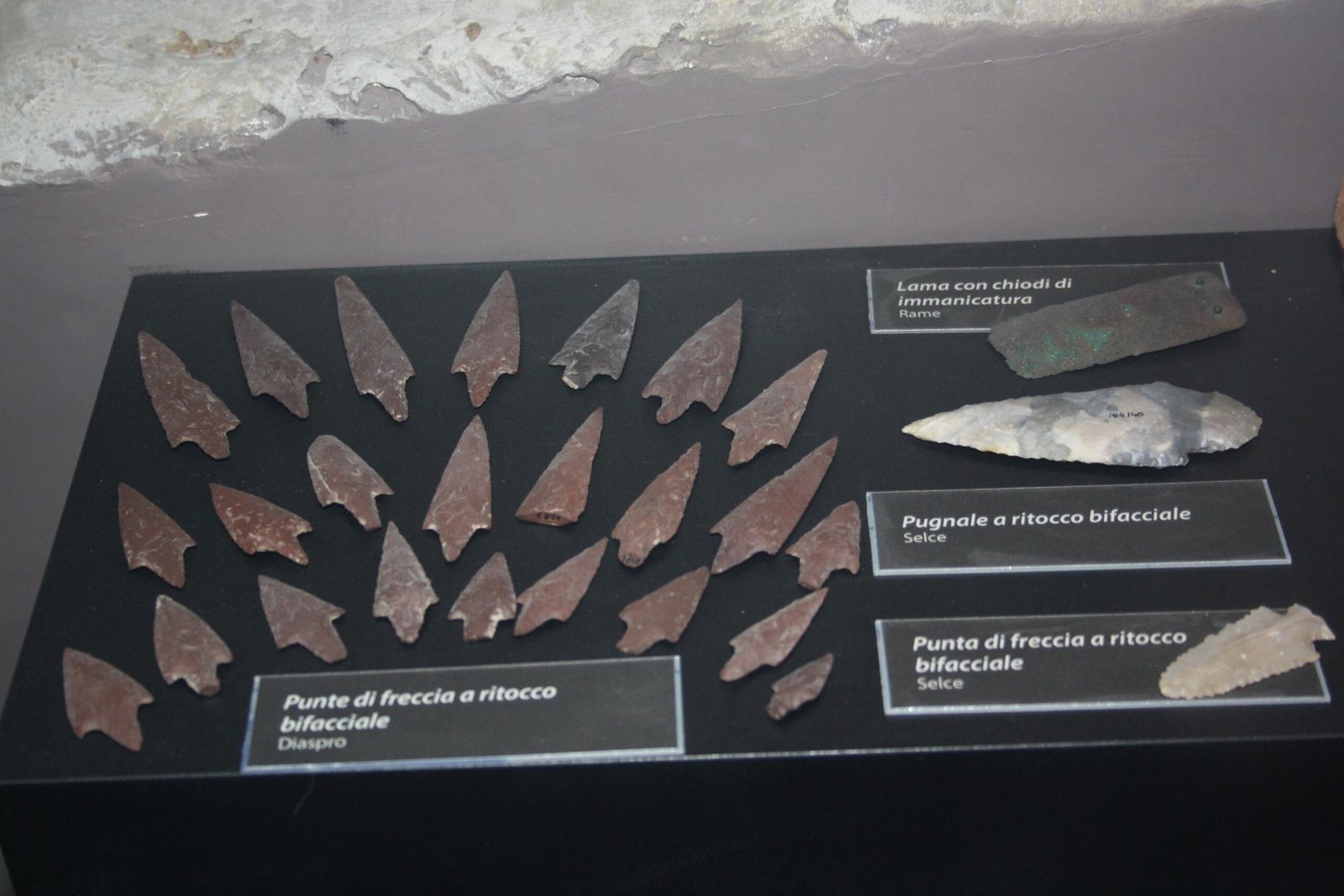
Alongside the deceased, valuable items were placed: locally made ceramic vessels, everyday tools, numerous red jasper arrowheads, a flint dagger blade, copper objects, and various ornaments, including necklace beads. Radiocarbon dating places these burials in the Copper Age, between 3035 and 2340 BC, documenting prolonged and systematic use of the grotto as a cemetery.
The Tana delle Fate: Shelter Through the Millennia
The Tana delle Fate, by contrast, has a different story. Thanks to its internal layout—with a corridor leading to a long chamber and a ventilation shaft—the cave was used as a refuge during various periods over the last 6,000 years. Oral testimonies recount that during World War II, it offered protection to young people from the nearby town of San Pietro di Frascati during raids. In this case, the cave unites prehistoric memory with more recent history, embodying human resilience in the face of danger.
Sources
Geoportale Regione Liguria_siti archeologici, Maggi R., Formicola V., “Una grotticella sepolcrale dell’inizio dell’Età del Bronzo in Val Frascarese”, in “Preistoria Alpina”, 14, 1978, pp. 87-113;
Del Lucchese A., Maggi R. (a cura di), Dal Diaspro al Bronzo. L’Età del Rame e l’Età del Bronzo in Liguria: 26 secoli di storia tra 3600 e 1000 anni avanti Cristo, (Quaderni della Soprintendenza Archeologica della Liguria 5), Luna ed., La Spezia, La Spezia, Luna Ed., 1998
Trekking and cycling routes that may interest you
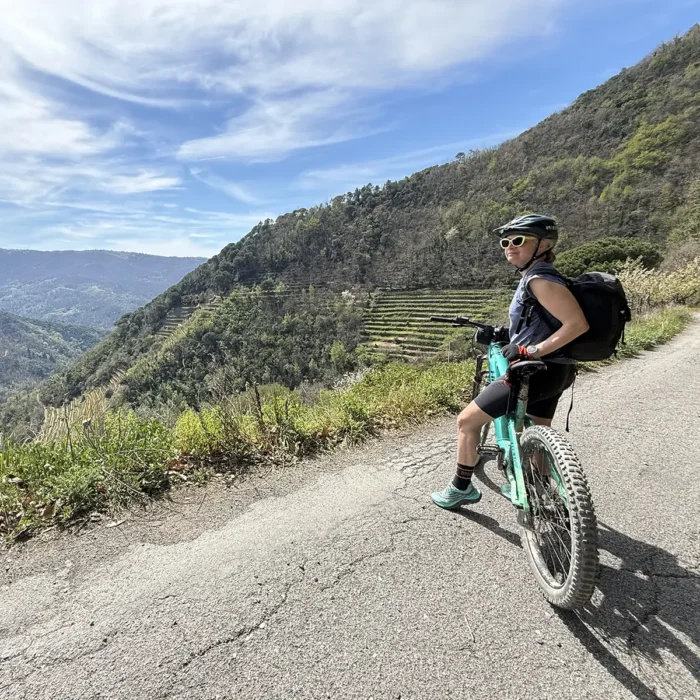
Itineraries of different durations and suitable for every taste and level of preparation, to discover the most beautiful and evocative places and panoramas of the Ligurian Tigullio.



Local experiences that might interest you
Let yourself be guided and be surprised by the hidden treasures that the Ligurian Tigullio area is capable of offering you in every season.

Sport
Hiking routes, climbing, mountain biking and much more… Choose the sport in contact with nature that’s right for you!

Culture
Shows, Theatre, Music, Food and Wine, Reading… Experience the cultural and artistic proposals, immersed in the Ligurian landscape.

Nature
Geology, bird watching, nature engineering and other initiatives, to cultivate awareness and responsibility for environmental issues.
More heritage that may interest you
Catalog of the tangible and intangible heritage, a precious resource of the Tigullio for community building and local development.
Join us!
Preserve the history and traditions of the Ligurian Tigullio area and keep them alive for future generations.