

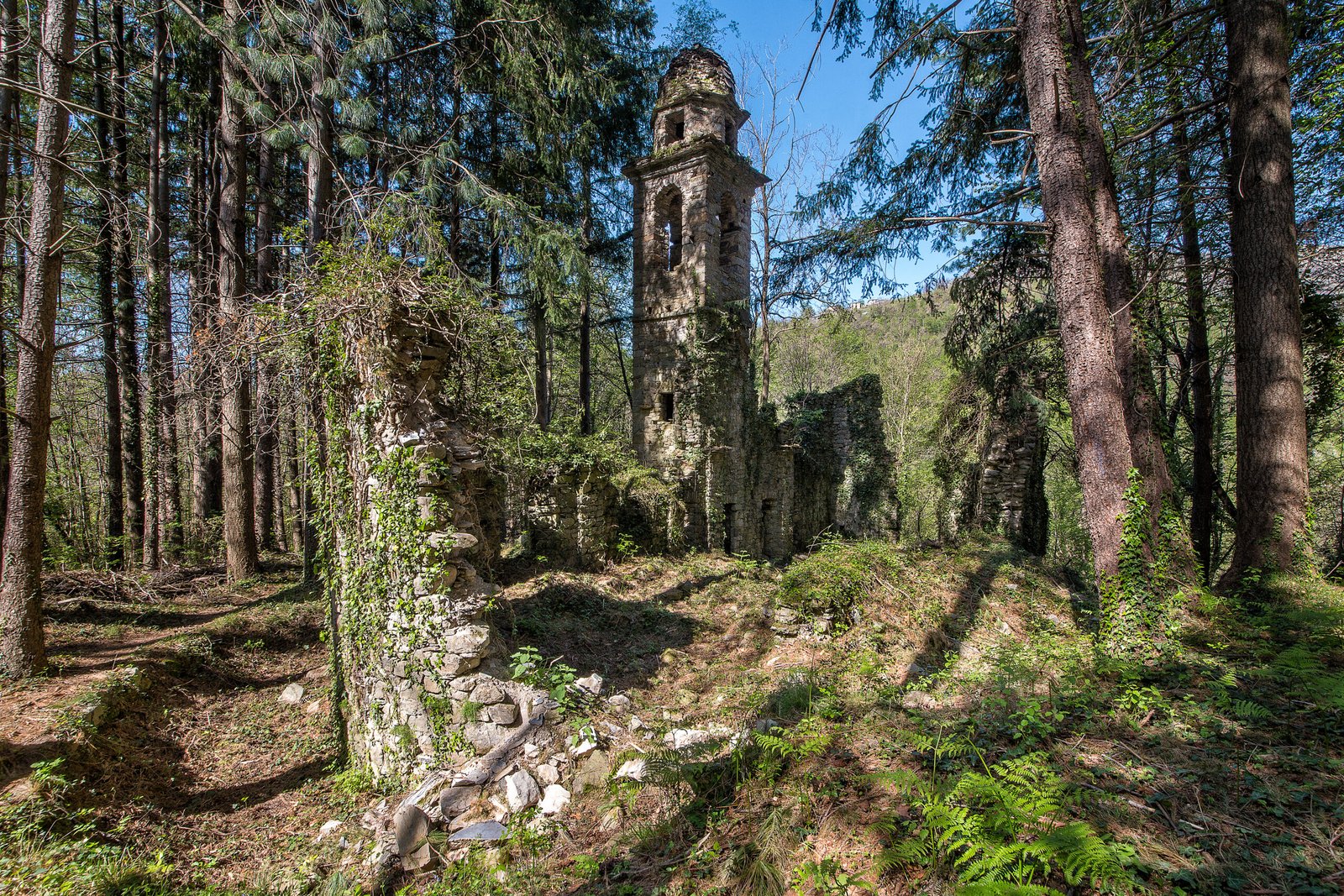
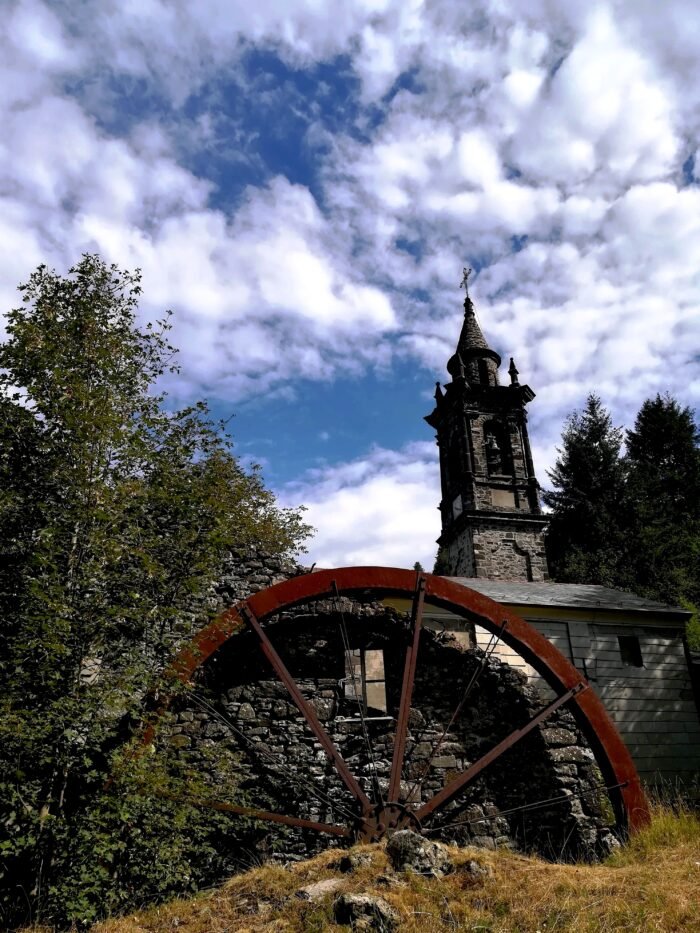
Ruins of the former Church of San Martino in Licciorno
Origins and Architecture between the Middle Ages and the 18th Century
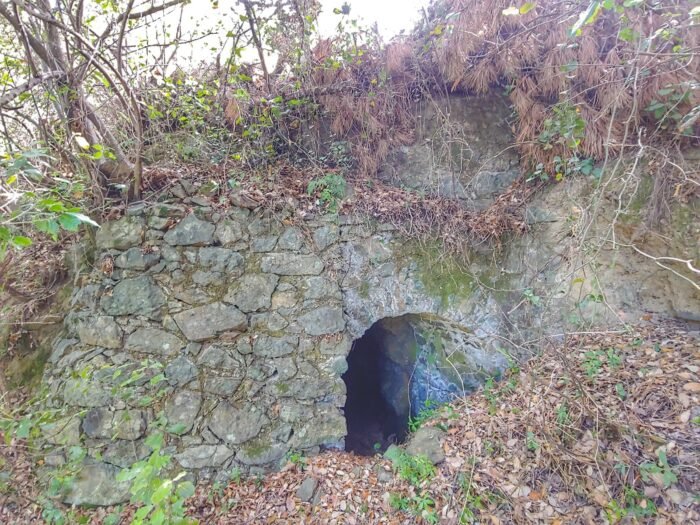
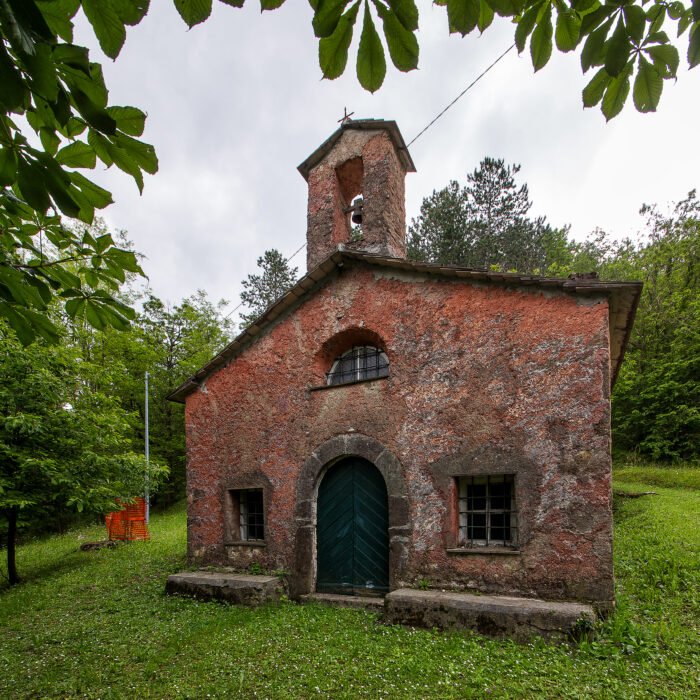
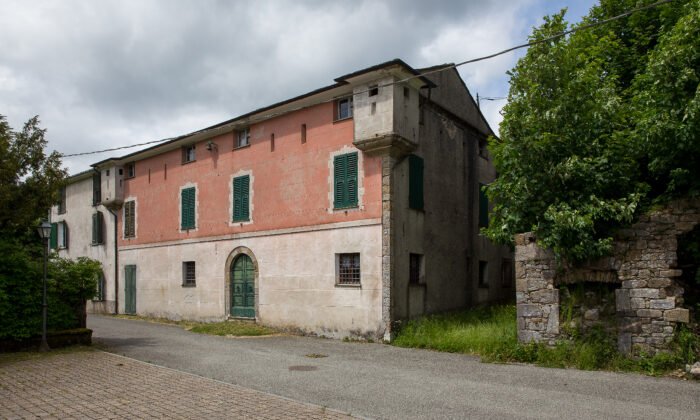
Today, only the ruins of the Church of San Martino di Licciorno remain, yet its original structure is still clearly recognizable: a single nave with an east-facing apse, a bell tower, sacristy, and rectory on the southern side. The perimeter walls of the nave and choir survive, while the square-based bell tower, topped with a dome-shaped tiburio clad in slate, is almost intact. Masonry analysis reveals at least two reconstruction phases: a section of wall and a single-lancet window date back to the medieval period, while the overall appearance reflects renovations from the first half of the 18th century. The dedication to Saint Martin suggests a possible early medieval foundation; the place name Licciorno may derive from the dialect word liccia (holm oak, from Latin ilex), referring to the presence of an oak woodland.
Documents, Jurisdiction, and Patronage Rights
The first documented reference dates to 1288, when the canons of the Pieve di Lavagna appointed Guglielmo di Borzone as rector of the united churches of Santa Maria di Prato and San Martino. Although tradition attributes the foundation to the monks of Borzone in the 12th century, official documents confirm its legal dependence on the Pieve di Lavagna. Connections with the Abbey of Borzone are documented from the early 13th century through landholdings in Val Penna. In 1410 Santa Maria was entrusted in commendam to a chaplain of the abbey, and in 1497 the archbishop assigned its care to Friar Benedetto Longinotti. This relationship, however, was primarily economic rather than one of full legal dependence. In 1525 a deed by the notary Vincenzo Molfino formalized the patronage rights (giuspatronato) of the Longinotti family over the two churches.
A Strategic Crossroads along the “Via Lombarda”
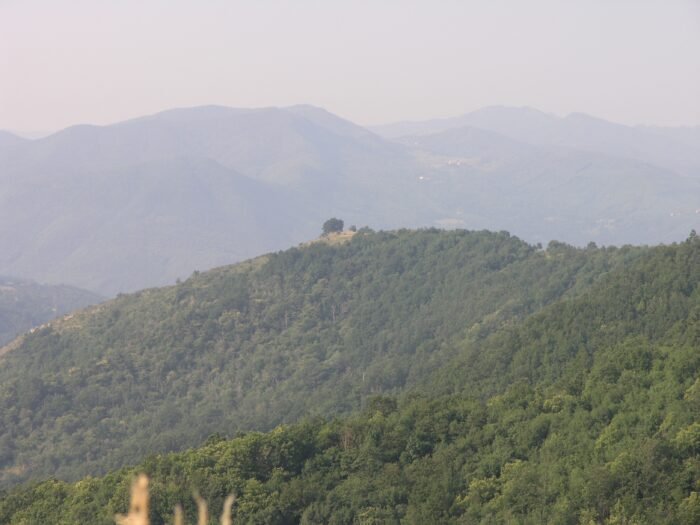
The church occupied a central position among local settlements and stood strategically along a mid-slope path between Vallepiana and Zolezzi. At this junction converged routes from the Taro, Ceno, and Vara valleys, connecting to the road system known as the “Via Lombarda,” a major trade artery between the Ligurian coast and the inland territories. San Martino was therefore not only a place of worship but also a key node of movement and exchange.
The Confraternity for the Redemption of Slaves and the “Battibirba” Phenomenon
In the 18th century, the church became the seat of a lay confraternity dedicated to the Redemption of Slaves, under the authority of the Trinitarian Fathers. Its mission was to raise funds to ransom Christians captured and enslaved by Muslims. However, the system of “patenti di questua” (official alms-collecting permits) issued by the Magistrato del Riscatto of Genoa became subject to speculation in the Valle Sturla. Some local investors purchased these permits and resold them to impoverished peasants, the so-called battibirba. Driven by chronic crop shortages that made subsistence difficult, these individuals wandered across Europe posing as religious emissaries, turning charitable work into a strategy for survival or personal gain.
The Colony of Croce di Coti and Artistic Legacy
To curb endemic poverty and diplomatic tensions, in 1714 the Republic of Genoa ordered the forced relocation of 470 inhabitants of Sopralacroce to Corsica, aiming to establish the agricultural colony of Croce di Coti. The venture proved tragic: within two years the settlement was abandoned due to severe food shortages and an outbreak of quartan fever. Today, the only surviving furnishing of the Church of San Martino is a panel painting in the Piola style, preserved in Prato Sopralacroce. Depicting the Virgin and the Holy Trinity invoked by Saints Lawrence, Martin, Roch, Sebastian, and Anthony Abbot, it stands as the final iconographic testimony to the Trinitarian presence and the valley’s complex social history.
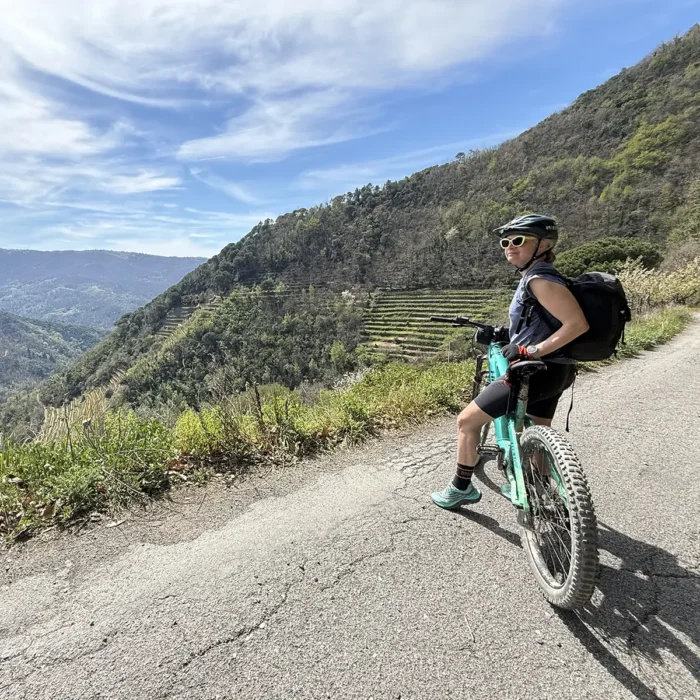
Trekking and cycling routes that may interest you
Itineraries of different durations and suitable for every taste and level of preparation, to discover the most beautiful and evocative places and panoramas of the Ligurian Tigullio.

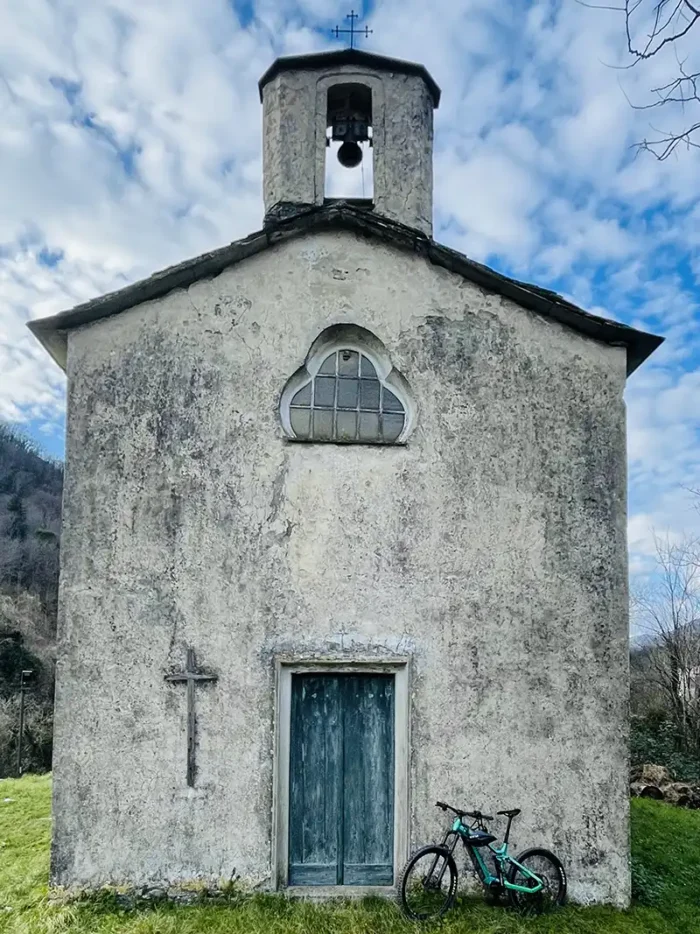


Local experiences that might interest you
Let yourself be guided and be surprised by the hidden treasures that the Ligurian Tigullio area is capable of offering you in every season.
Sport
Hiking routes, climbing, mountain biking and much more… Choose the sport in contact with nature that’s right for you!

Culture
Shows, Theatre, Music, Food and Wine, Reading… Experience the cultural and artistic proposals, immersed in the Ligurian landscape.

Nature
Geology, bird watching, nature engineering and other initiatives, to cultivate awareness and responsibility for environmental issues.
More heritage that may interest you
Catalog of the tangible and intangible heritage, a precious resource of the Tigullio for community building and local development.
Join us!
Preserve the history and traditions of the Ligurian Tigullio area and keep them alive for future generations.