

Porciletto
Porciletto: A Testament to Roman Rural Life
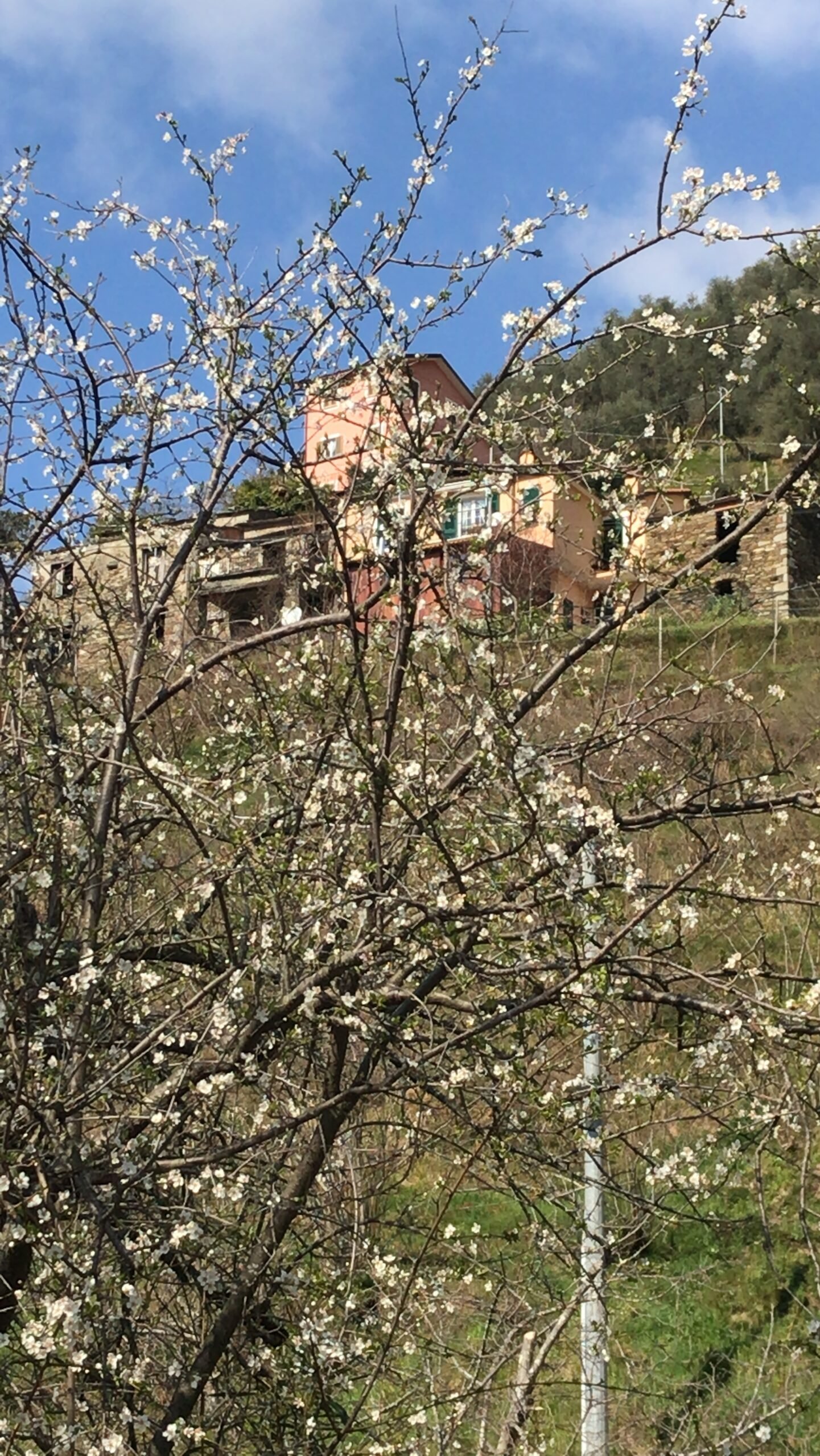
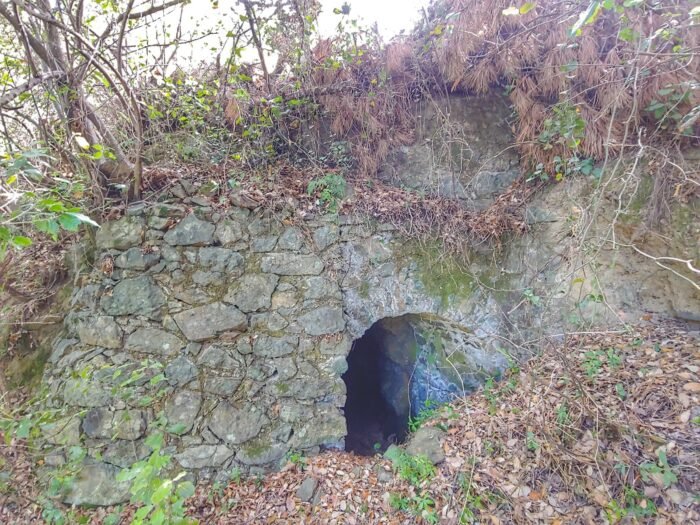
In the heart of the Sturla valley and the Ligurian Apennines lies the archaeological site of Porciletto, a window into rural settlement from the Roman and Late Antique periods. Archaeological investigations have revealed a rustic settlement active from the 1st century BC to at least the 5th century AD, built on large artificial terraces constructed on an ancient landslide. Stone buildings with brick roofs were erected here, evidence of careful and long-lasting organization.
Transformations Over Time
The Porciletto settlement had a long but dynamic life. Between the 4th and 5th centuries AD, the old stone structures, already abandoned or collapsed, were leveled to make way for new stone buildings and a wooden hut with a stone floor. These changes show how the inhabitants adapted to the community’s needs while making careful use of natural resources and the site’s strategic location.
Prosperity and Self-Sufficiency
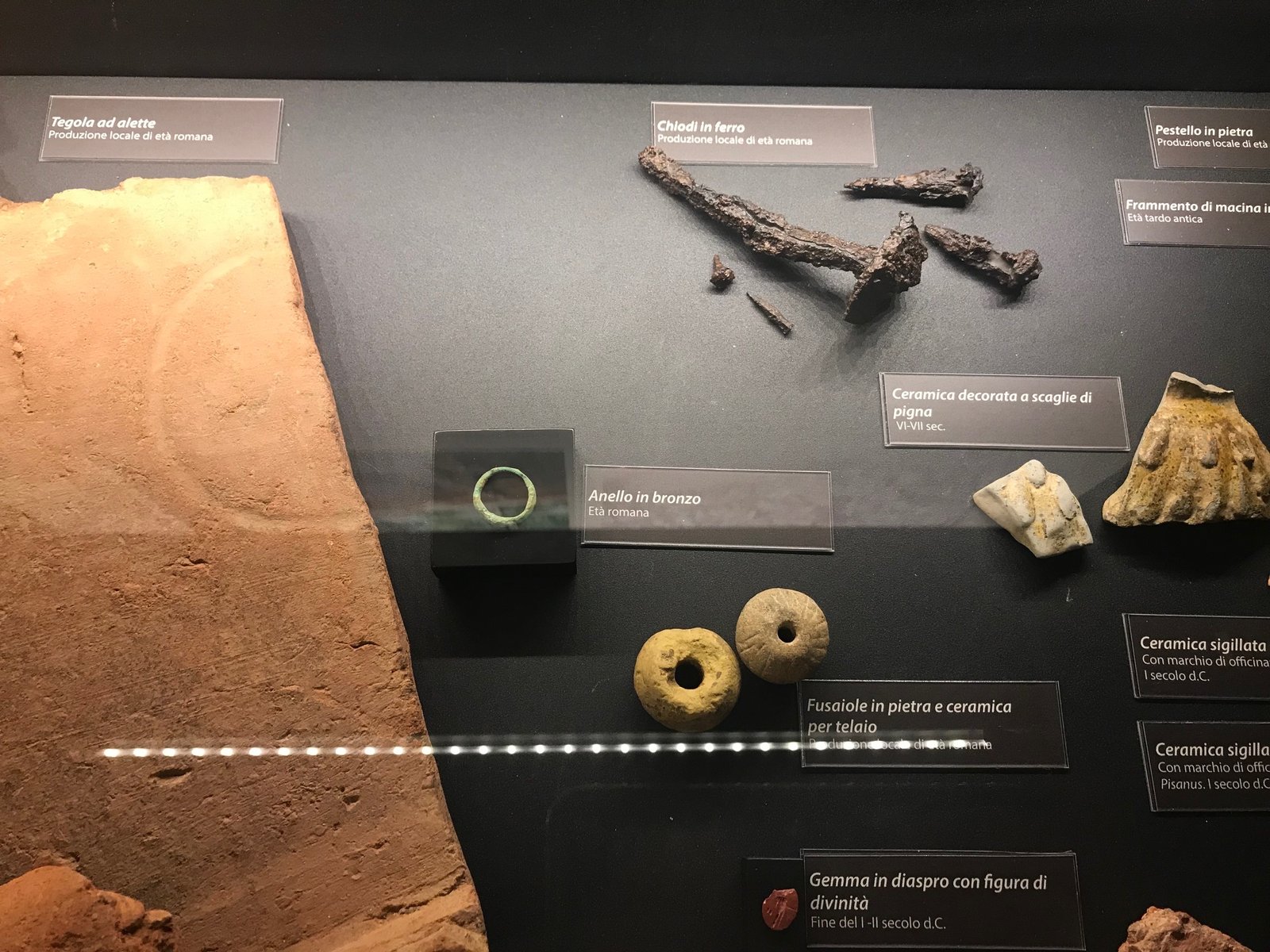
Archaeological data indicate that during the Imperial Age the site reached its peak activity, likely functioning as a self-sufficient and relatively prosperous farm. Various agricultural and craft activities were carried out here, and artifacts document the import of luxury goods such as fish sauce, wine, and olive oil from Africa and Spain. The choice of location was deliberate: favorable exposure, available water sources, and fertile soil on a carefully terraced slope made Porciletto ideal for building homes and productive structures.
A Place That Tells Centuries of History
Porciletto is more than just a collection of ruins: it is the testimony of centuries of rural life, intelligent settlement strategies, and the ability of ancient inhabitants to create self-sufficient communities in harmony with their environment. Walking among the remains of the farm is like immersing oneself in a millennia-long story of labor, innovation, and adaptation.
Sources
Gambaro L., “La Liguria costiera tra III e I secolo a. C. Una lettura archeologica della romanizzazione”, Padova, 1999;
Mannoni T., “Insediamenti poveri nella Liguria di età romana e bizantina”, in ‘Rivista di Studi Liguri’, XLIX, 1983, pp. 254-264;
Melli P., “Neirone e il territorio dei Tigulli. Popolamento e sviluppo fino alle soglie del Medioevo”, in Spinetta R. (a cura di), “Neirone. Natura, storia, arte”, Grafica Don Bosco, Genova, 2004, pp. 119-134
Trekking and cycling routes that may interest you
Itineraries of different durations and suitable for every taste and level of preparation, to discover the most beautiful and evocative places and panoramas of the Ligurian Tigullio.



Local experiences that might interest you
Let yourself be guided and be surprised by the hidden treasures that the Ligurian Tigullio area is capable of offering you in every season.

Sport
Hiking routes, climbing, mountain biking and much more… Choose the sport in contact with nature that’s right for you!

Culture
Shows, Theatre, Music, Food and Wine, Reading… Experience the cultural and artistic proposals, immersed in the Ligurian landscape.

Nature
Geology, bird watching, nature engineering and other initiatives, to cultivate awareness and responsibility for environmental issues.
More heritage that may interest you
Catalog of the tangible and intangible heritage, a precious resource of the Tigullio for community building and local development.
Join us!
Preserve the history and traditions of the Ligurian Tigullio area and keep them alive for future generations.