

Rivarola Castle
The Hill of Rivarola: Crossroads of History and Strategy
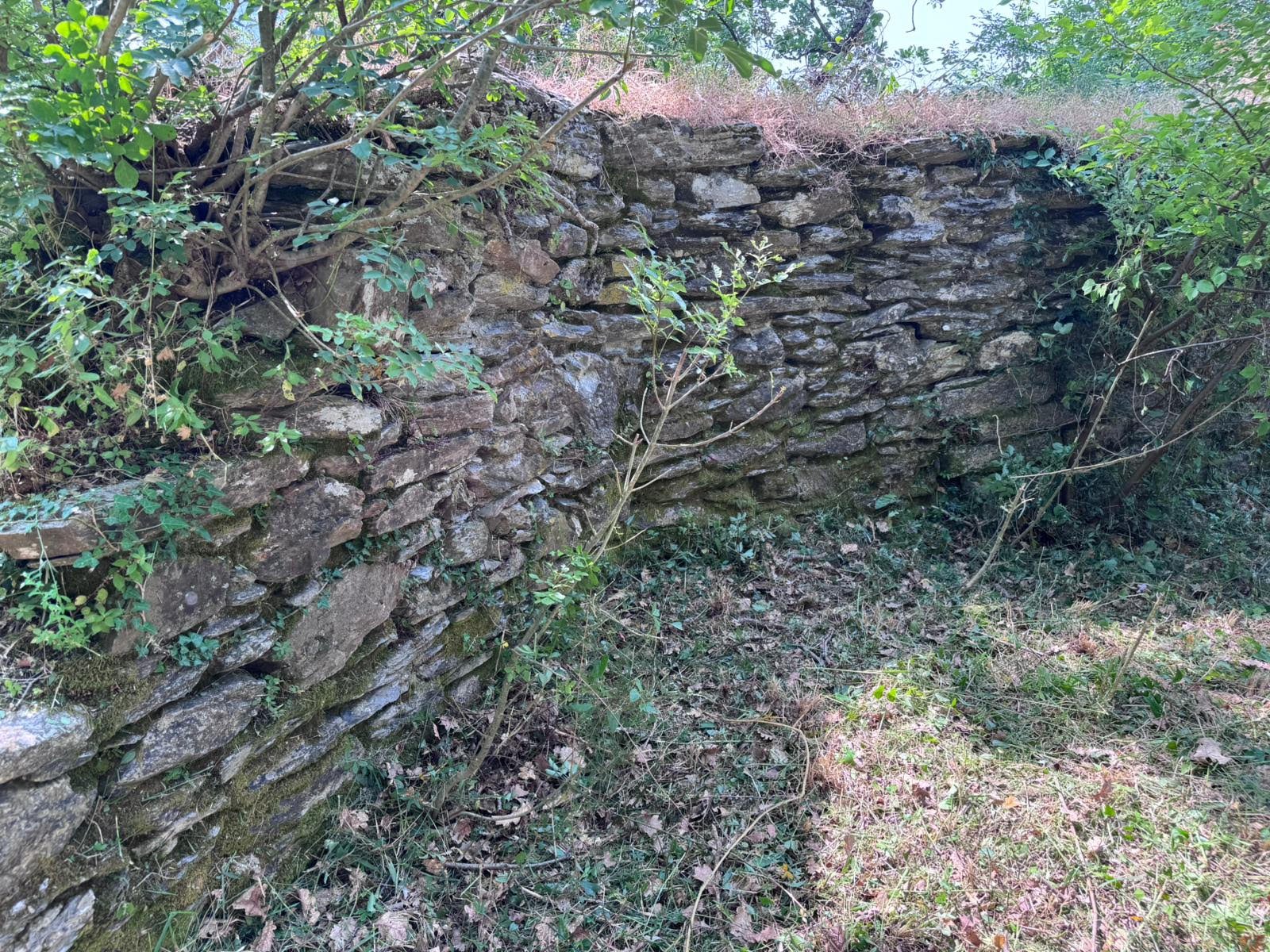
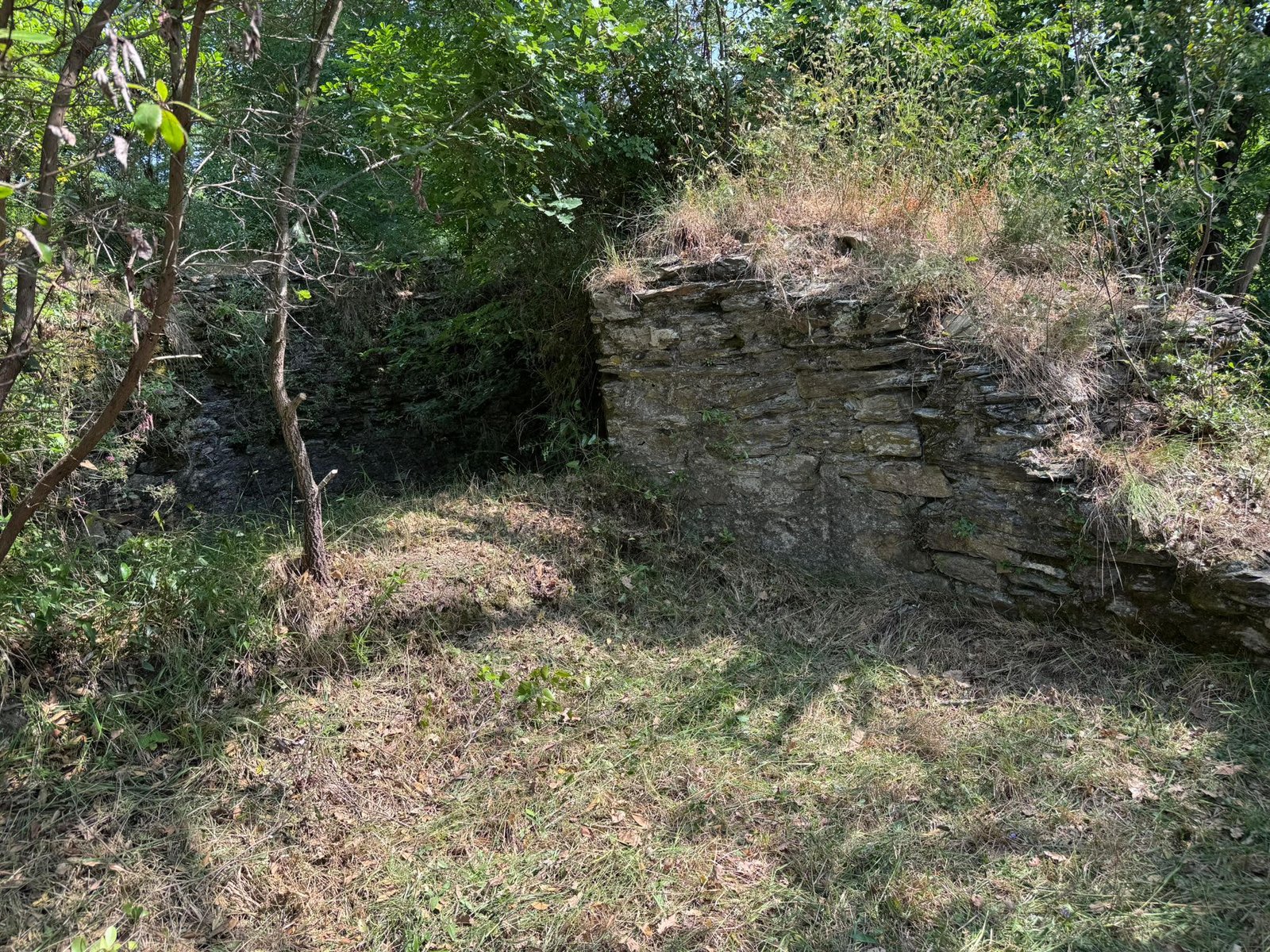
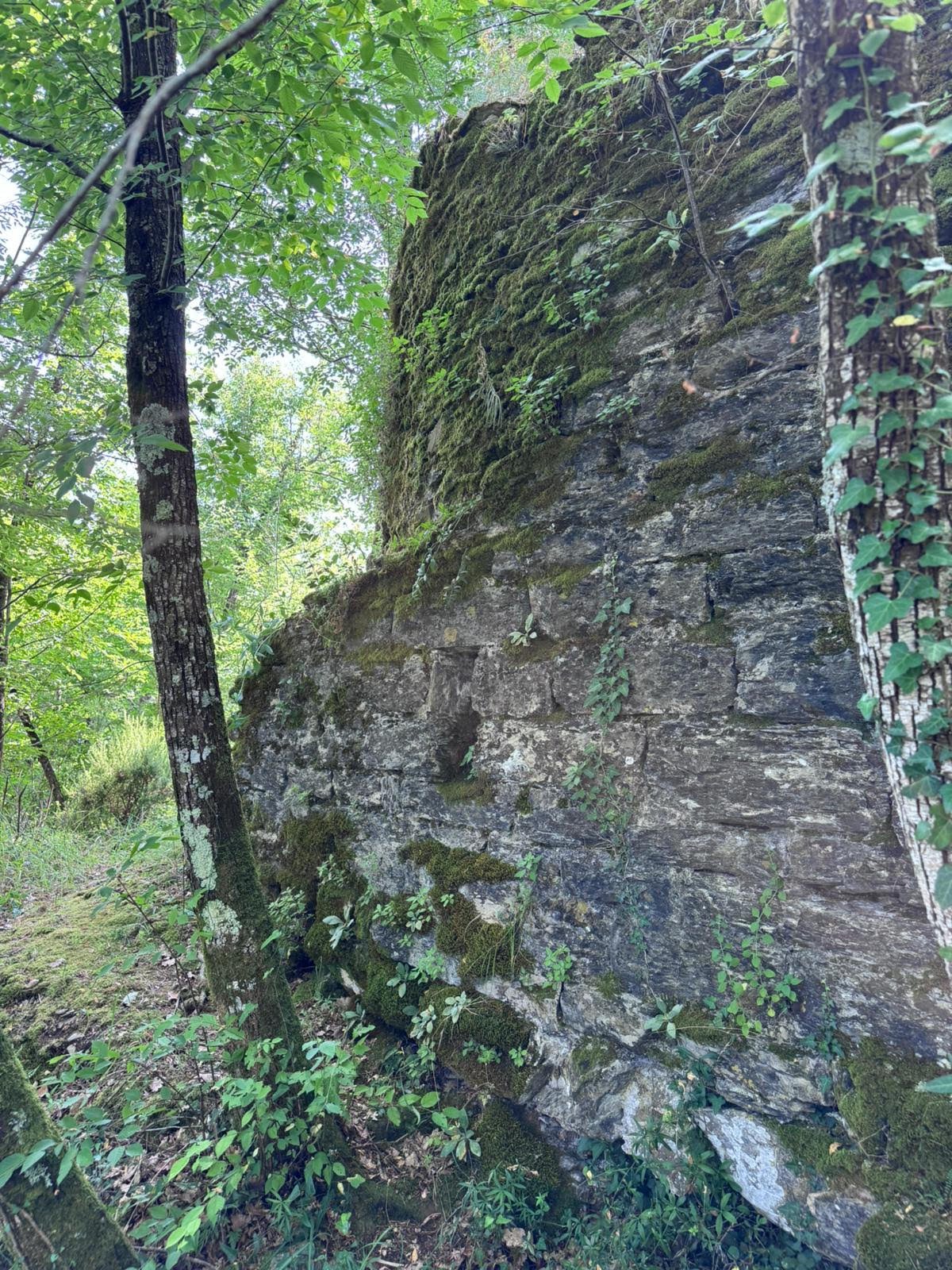
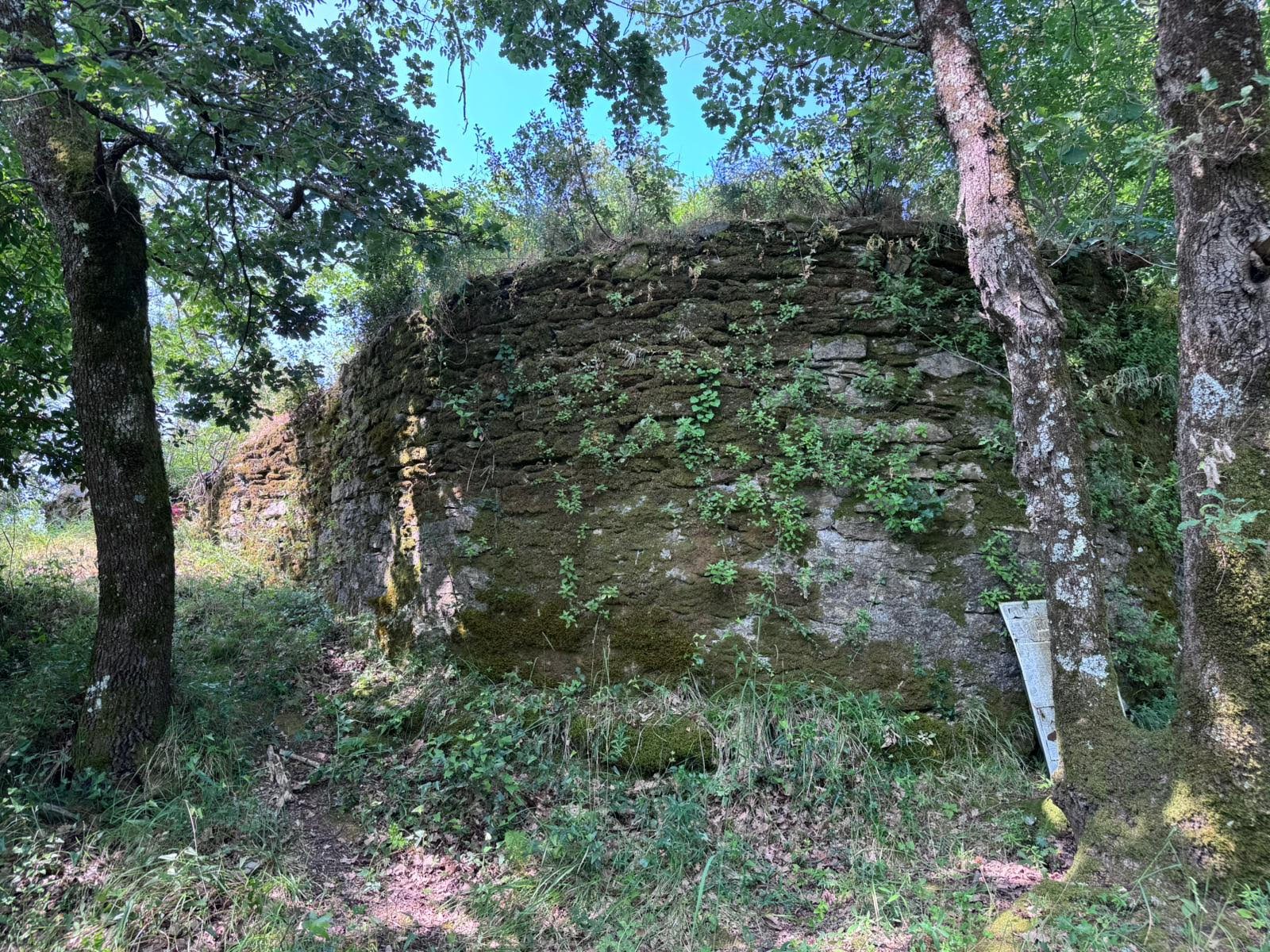
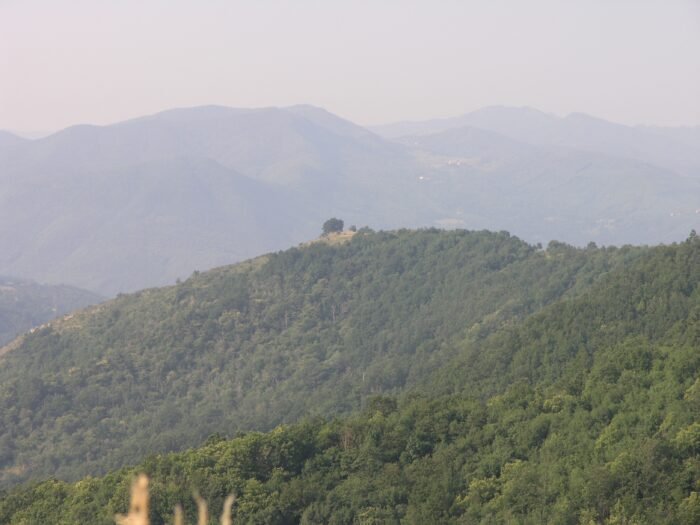
Perched in a strategic and pivotal position on a bend of the Lavagna stream, the hill of Rivarola still dominates the landscape, marking the meeting point between the coast and the inland. Recent archaeological excavations have revealed traces of occupation dating back to the Bronze Age, while halfway up the slope, evidence of a Roman Imperial site has emerged. At the summit, the remains of the medieval castle testify to a remarkable continuity of settlement, likely favored by the hill’s central position, allowing control over the main communication routes.
Origins of the Castle and the Republic of Genoa
Local historians date the foundation of the Castle of Rivarola to 1089, by the exiled nobleman Guglielmo de’ Rossi, who apparently named it after the castle from which he had been expelled. In 1132, according to Genoese sources, the hill was conquered by the Republic of Genoa. The castle, equipped with walls and a keep, utilized the natural morphology of the terrain and local resources, showcasing construction ingenuity suited to overseeing and controlling the Entella, Graveglia, Sturla, and Fontanabuona valleys, protecting both the hinterland and the coast.
Ceramics, Trade, and Strategic Role
Ceramic fragments found on site, both from Savona and imported Islamic pottery, have parallels in urban contexts of the time, underlining the political, strategic, and military role of the castle. Its elevated position and control of the access routes made Rivarola a key outpost for the Republic of Genoa, particularly before the rise of Chiavari in the second half of the 12th century.
Decline and Subsequent Outposts
The castle’s importance waned after the founding of Chiavari, but the structure appears to have been used until the 14th–15th centuries as a small armed garrison, overseen by a castellan. Rivarola was part of a larger system of fortifications: to the north, the castle of Paggi; across the Entella to the left, the castle of Panesi; and also the castles of Caperana, San Lazzaro, Vignale, della Pozza, Romaggi, Calvari, Orero, Monleone, Cicagna, and delle Quartaie at Ferrada, while further west stood Castri Rapallinum above Rapallo and Lasaniae on Monte Lasagna or Pegge.
Fonti
Geoportale Regione Liguria – Architetture
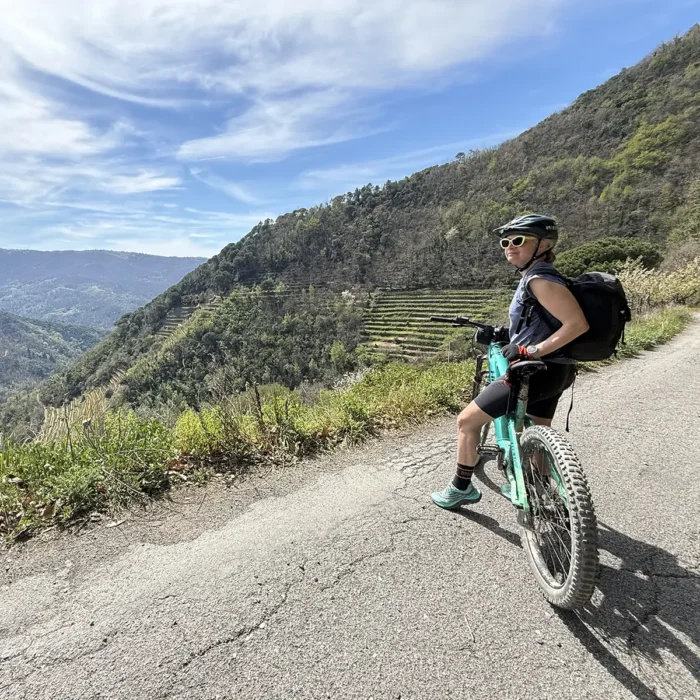
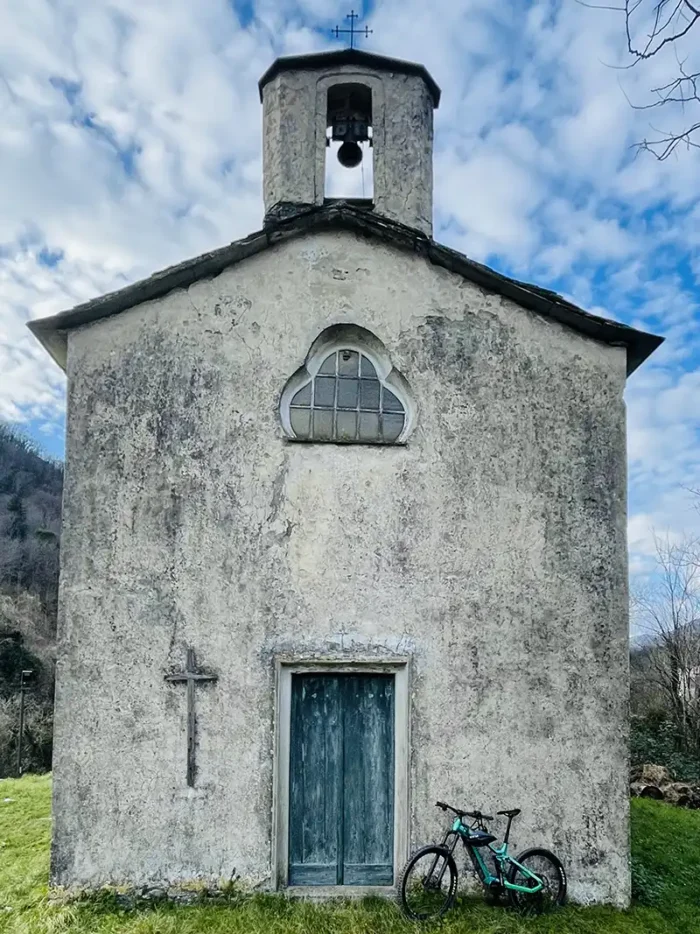
Trekking and cycling routes that may interest you
Itineraries of different durations and suitable for every taste and level of preparation, to discover the most beautiful and evocative places and panoramas of the Ligurian Tigullio.



Local experiences that might interest you
Let yourself be guided and be surprised by the hidden treasures that the Ligurian Tigullio area is capable of offering you in every season.
Sport
Hiking routes, climbing, mountain biking and much more… Choose the sport in contact with nature that’s right for you!

Culture
Shows, Theatre, Music, Food and Wine, Reading… Experience the cultural and artistic proposals, immersed in the Ligurian landscape.

Nature
Geology, bird watching, nature engineering and other initiatives, to cultivate awareness and responsibility for environmental issues.
More heritage that may interest you
Catalog of the tangible and intangible heritage, a precious resource of the Tigullio for community building and local development.
Join us!
Preserve the history and traditions of the Ligurian Tigullio area and keep them alive for future generations.