

Small Museum Hub of Borzonasca
The Identity of the Sturla Valley at the Borzonasca IAT Office
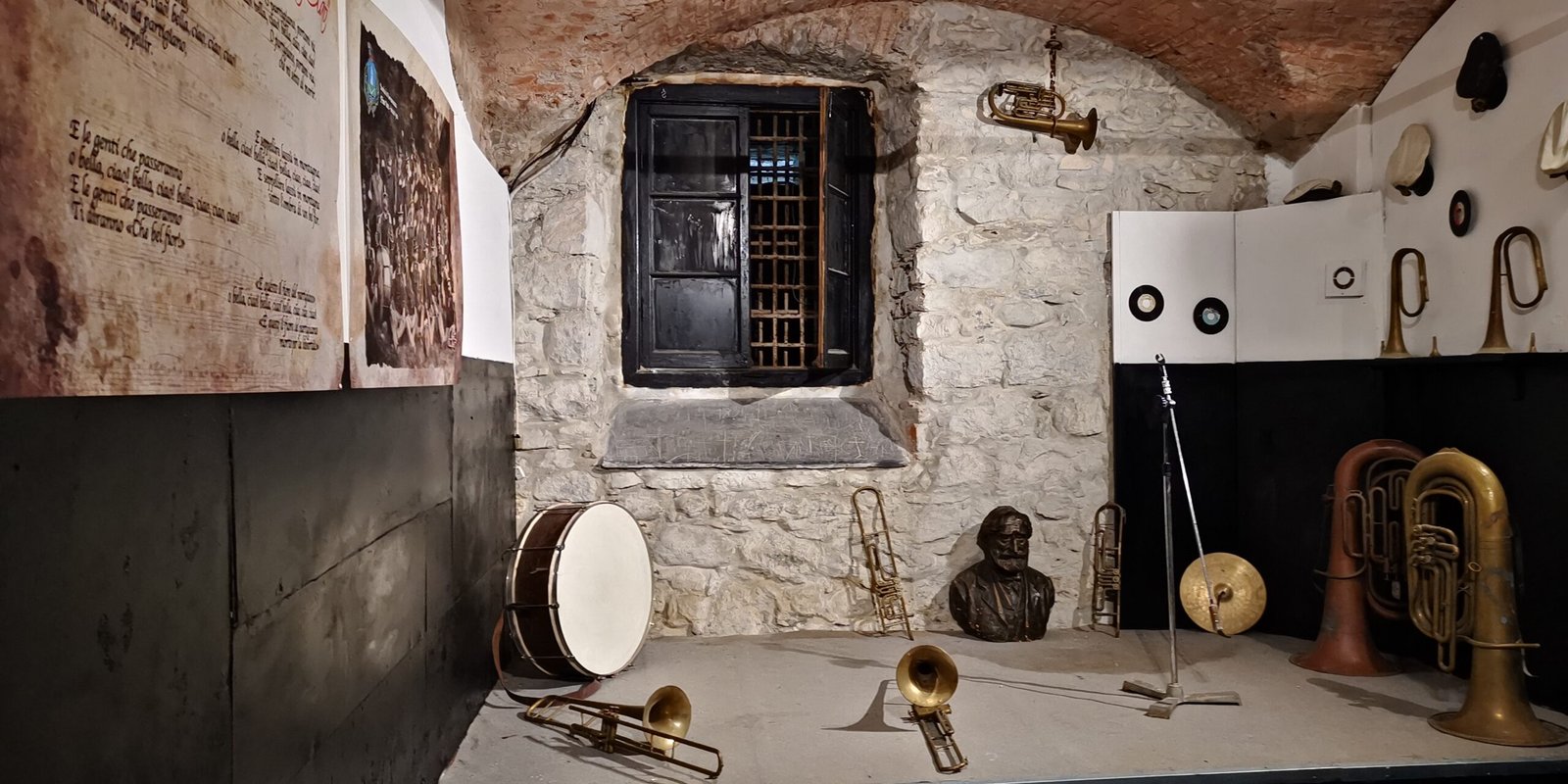
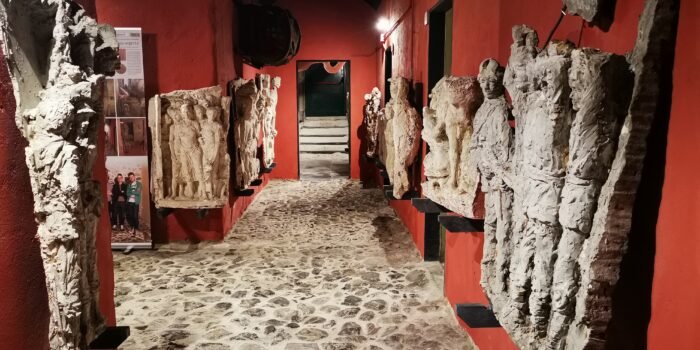
At the Ufficio IAT di Borzonasca, the museum hub dedicated to the Valle Sturla presents itself as a place of synthesis, weaving together three complementary exhibitions—art, symbolism, and rural culture—into a unified journey that conveys the historical, social, and environmental complexity of the territory, where civic memory, popular beliefs, and agricultural labor merge into a collective narrative shaping the valley’s deep-rooted identity.
Nicola Neonato and the Memory of the Resistance
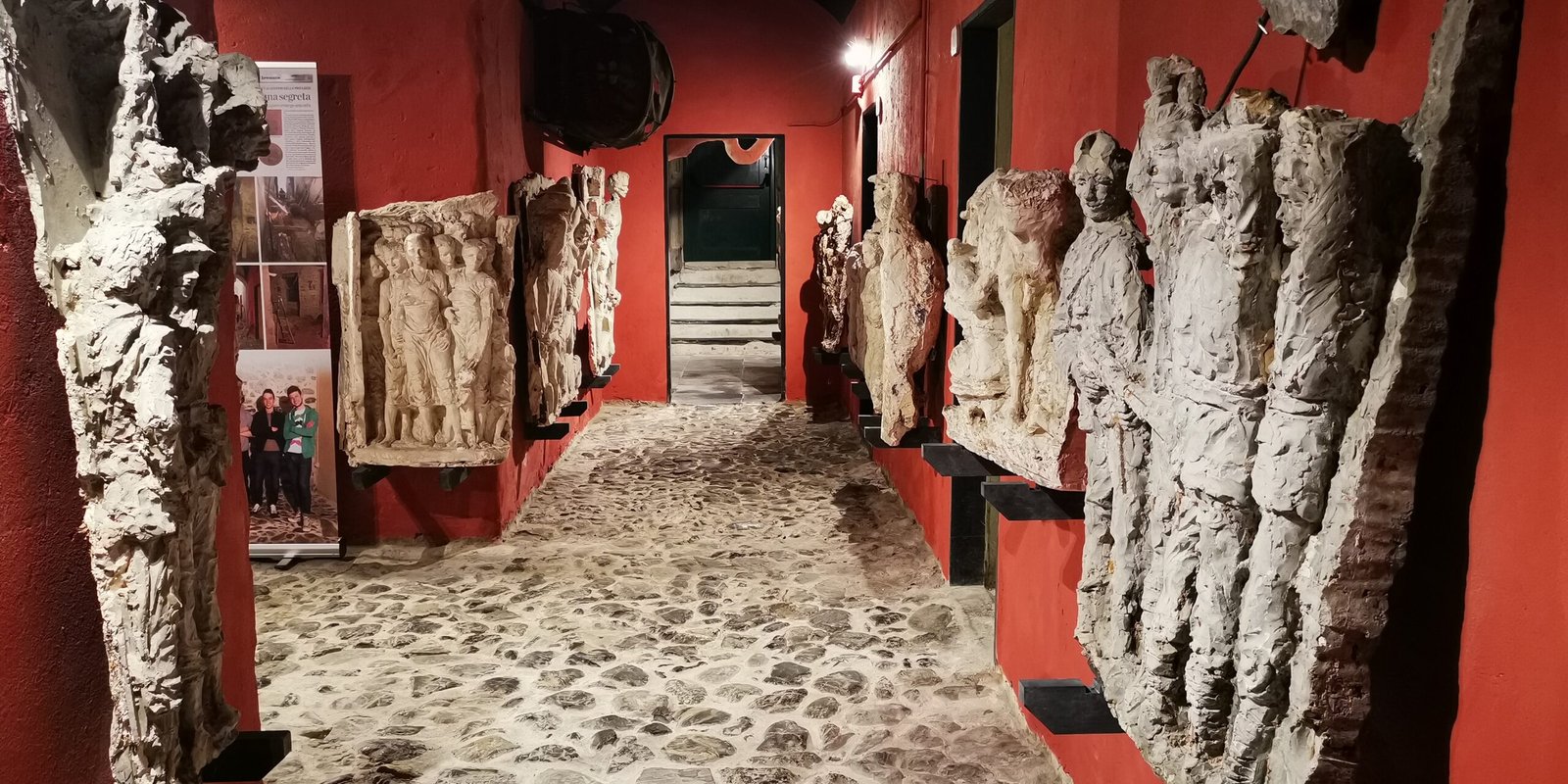
The section devoted to Nicola Neonato (1912–2006) offers a powerful insight into the Second World War and the partisan struggle: trained in Genoa, Florence, Venice, and Rome, the artist developed a versatile and expressive language spanning painting and sculpture and, during the conflict, adopted the nom de guerre “Pollaiolo” as a tribute to the Renaissance master, affirming his determination to remain a painter even in wartime; the works conceived between Mount Antola and the Trebbia Valley reject monumental rhetoric, focusing instead on the human cost of sacrifice and the hard-won value of freedom, transforming personal experience into a collective memory deeply rooted in the inland villages of Liguria.
Apotropaic Heads: Symbols of Protection and Archaic Memory
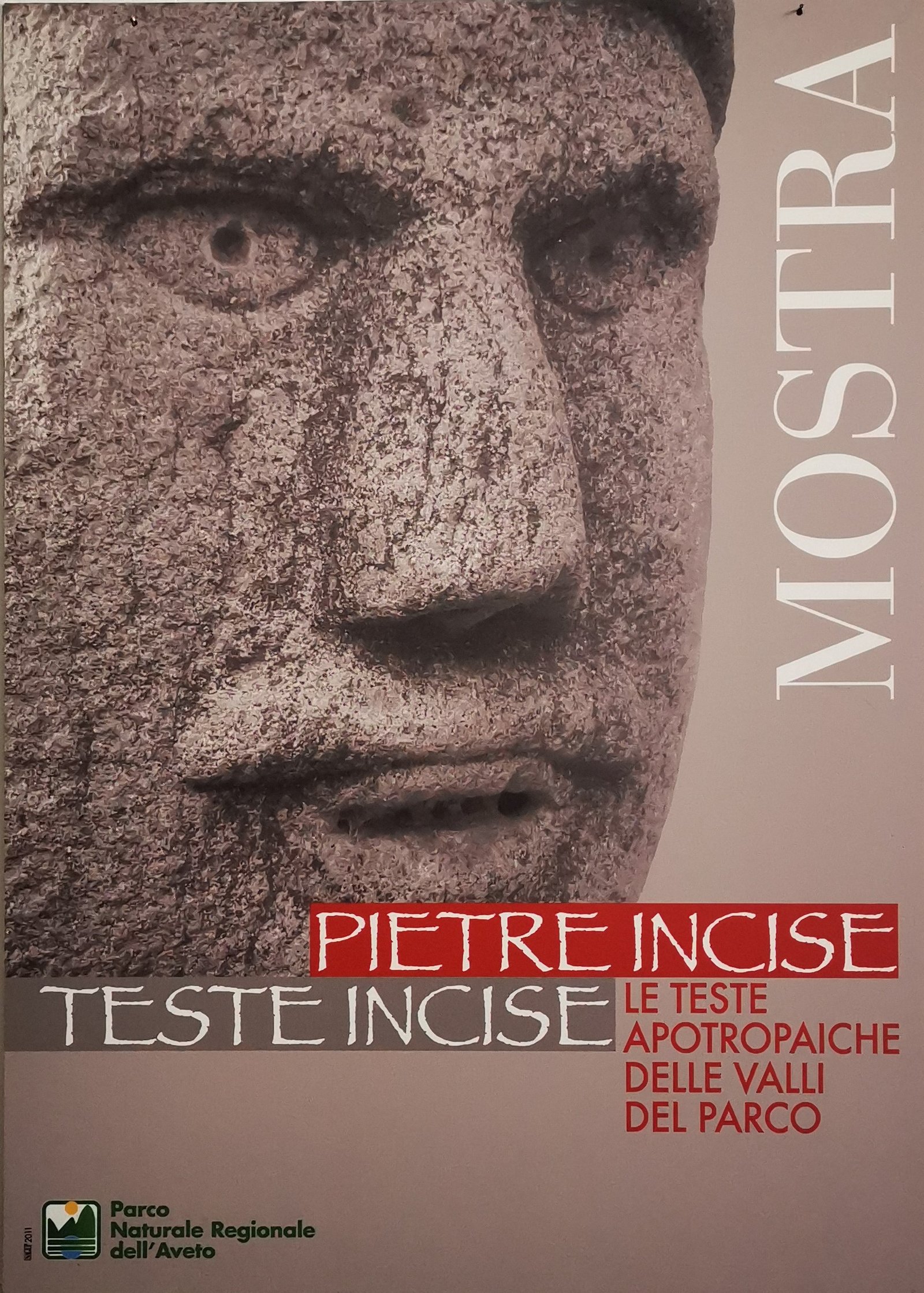
The photographic exhibition dedicated to apotropaic heads documents the stone faces embedded in the façades of houses throughout the Sturla Valley and neighboring valleys, carved by local stonemasons and bearing witness to a time when architecture itself was entrusted with protecting inhabitants from evil through magical symbols, leaving within historic village centers a striking iconographic heritage that still reveals a symbolic universe connecting daily life with ritual and spiritual dimensions.
Livestock Farming, Alpine Huts, and Transhumance Routes
The section devoted to livestock farming explores the inseparable bond between people and the mountain environment through historical photographs, rural tools used in milk and cheese production, and a multimedia station featuring video interviews with past and present farmers, historical documents concerning the three alpine huts of Sopralacroce, and analyses of traditional grazing areas and ancient transhumance routes, forming a dynamic archive that demonstrates how rural economy has shaped the landscape for centuries and how the community has preserved its agricultural vocation by continuously adapting to social and territorial change.
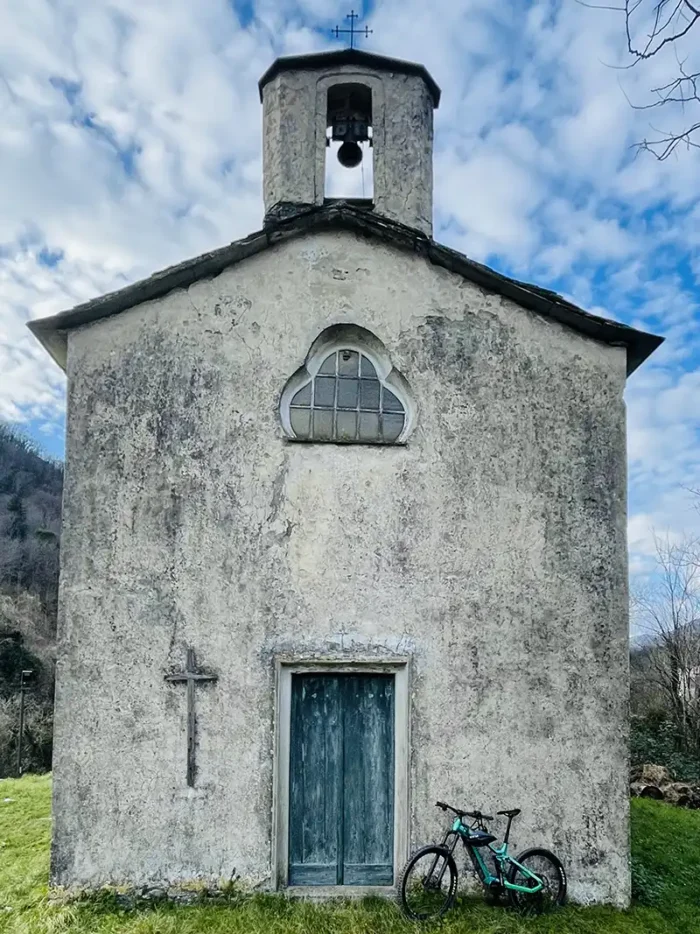
Trekking and cycling routes that may interest you
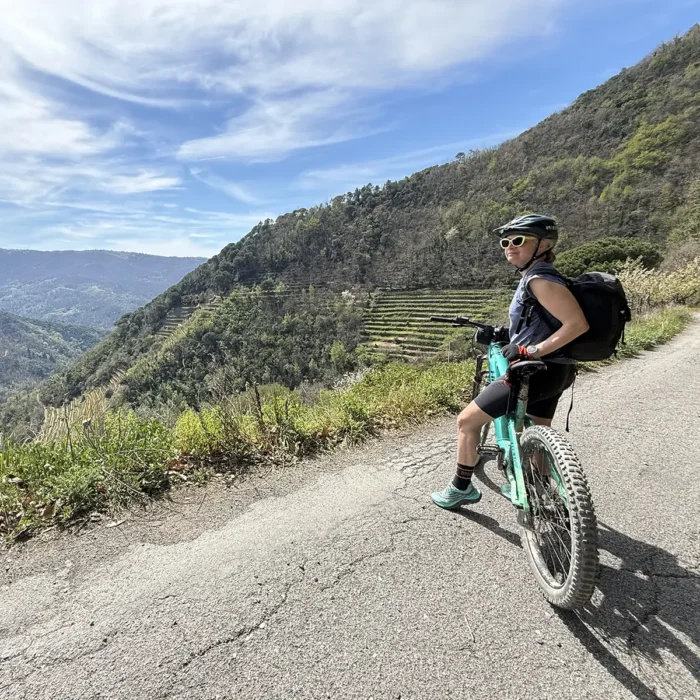
Itineraries of different durations and suitable for every taste and level of preparation, to discover the most beautiful and evocative places and panoramas of the Ligurian Tigullio.



Local experiences that might interest you
Let yourself be guided and be surprised by the hidden treasures that the Ligurian Tigullio area is capable of offering you in every season.
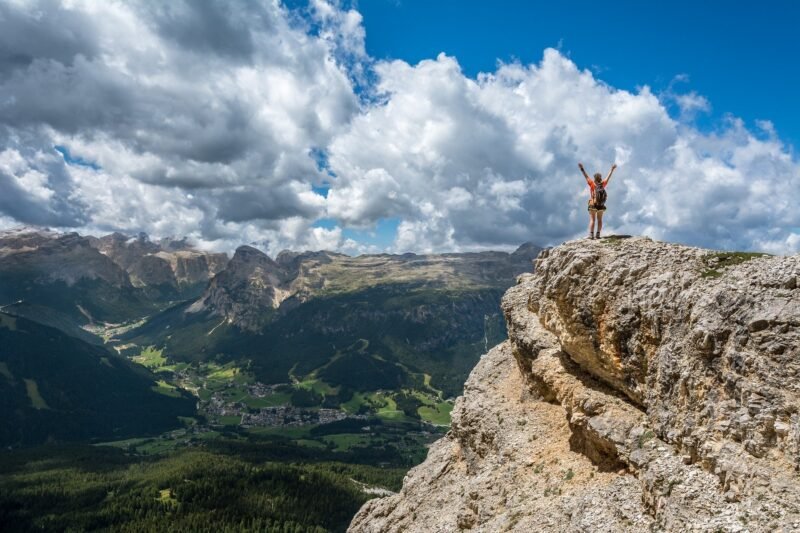
Sport
Hiking routes, climbing, mountain biking and much more… Choose the sport in contact with nature that’s right for you!

Culture
Shows, Theatre, Music, Food and Wine, Reading… Experience the cultural and artistic proposals, immersed in the Ligurian landscape.

Nature
Geology, bird watching, nature engineering and other initiatives, to cultivate awareness and responsibility for environmental issues.
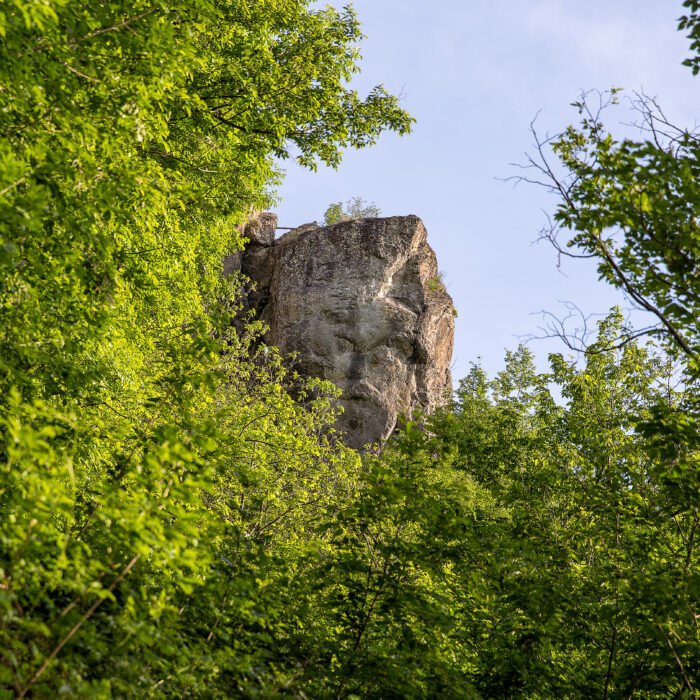
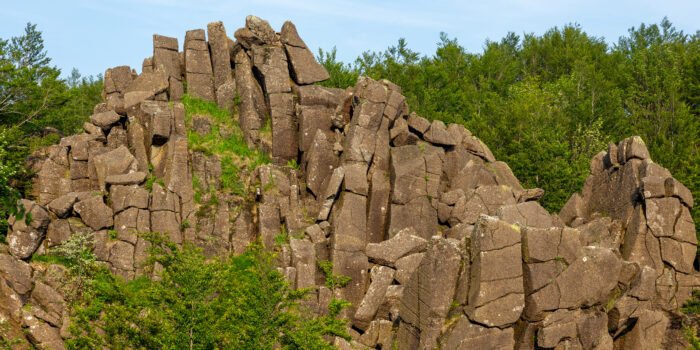
More heritage that may interest you
Catalog of the tangible and intangible heritage, a precious resource of the Tigullio for community building and local development.


Join us!
Preserve the history and traditions of the Ligurian Tigullio area and keep them alive for future generations.