

Chapel of Sant’Antonio delle Cannate
The Chapel of Sant’Antonio Abate in Levaggi
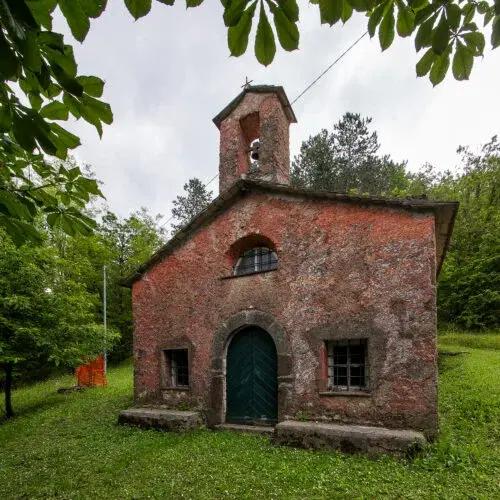
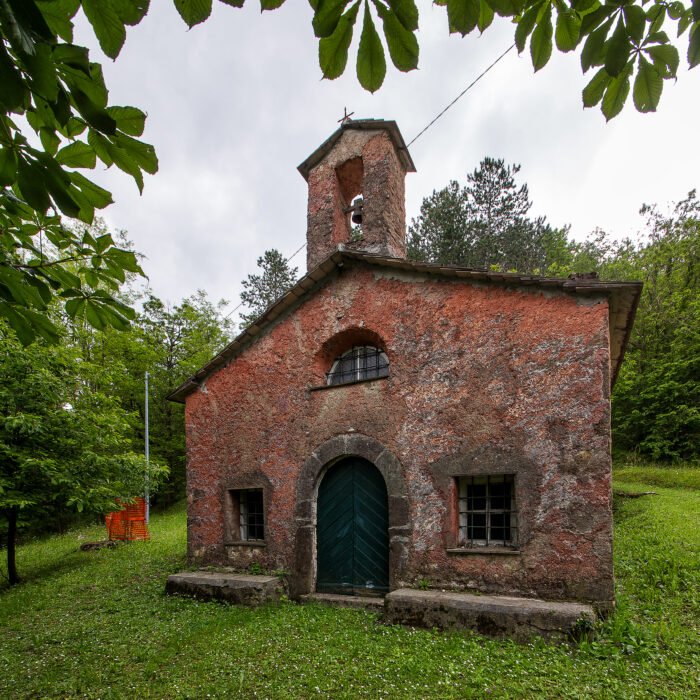
Nestled in a chestnut grove between the villages of Levaggi and Recroso, the chapel historically known as “delle Cannate” has preserved centuries of rural devotion. Dedicated to Saint Anthony Abbot, protector of animals and agricultural work, the building likely dates back to the medieval period. It blends seamlessly into the tradition of countryside chapels, offering spiritual refuge to farmers and travelers along the mid-slope paths of the Valle Sturla.
Simple Architecture and Religious Function
The chapel has a small rectangular nave with a gabled façade and a vaulted interior, creating an intimate and contemplative space. The load-bearing walls, made of local stone and plastered, and the roof covered with slate slabs (ciappe) reflect the essential construction typical of rural places of worship—functional, durable, and welcoming to the local community.
The Discovery of a Hidden Treasure
A recent restoration revealed a true artistic and historical gem. During the removal of a large 17th-century painting depicting the Virgin with the Christ Child and Saints Anthony, Giles, Roch, and Anne, a previously hidden decorative palimpsest on the apse wall was uncovered. The fresco, stylistically dated to the first half of the 15th century, depicts a Madonna Lactans (Nursing Madonna) between Saints Anthony and Giles. Its exceptional execution, rare for the Valle Sturla, points to a prestigious commission and reflects the economic and religious vitality of Borzonasca in the late Middle Ages.
Saint Giles and the Pilgrims’ Rest Stop
The presence of Saint Giles, patron of hermits and pilgrims, highlights the chapel’s role as a rest stop along routes connecting the valley to the Apennine passes. The discovery confirms the building’s importance not only as a place of worship but also as a welcoming station for medieval travelers.
From Concealment to Revival
The fresco was likely concealed due to regulations following the Council of Trent. Records from the Remondini brothers mention an apostolic visit by Monsignor Bossio, Bishop of Novara, who ordered the chapel walls to be whitewashed, considering the existing images—and perhaps even the Madonna Lactans iconography—noncompliant with the strict aesthetic and doctrinal standards of the Counter-Reformation. Today, the refined brushwork and surviving pigments, despite damage from rising damp, open new perspectives for studying 15th-century visual culture in the Valle Sturla, making the restoration of the entire complex a priority for preserving Liguria’s heritage.
Sources
https://primaillevante. it/attualita/quellaffresco-nascosto-da-almeno-500-anni-in-unantica-cappelletta-in-valle-sturla/
https://fondoambiente.it/il-fai/grandi-campagne/i-luoghi-del-cuore/comitati/1439
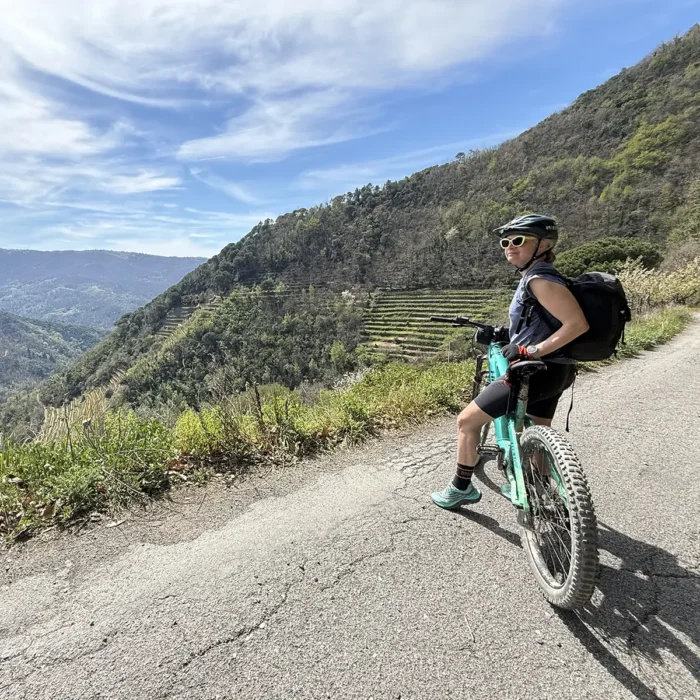
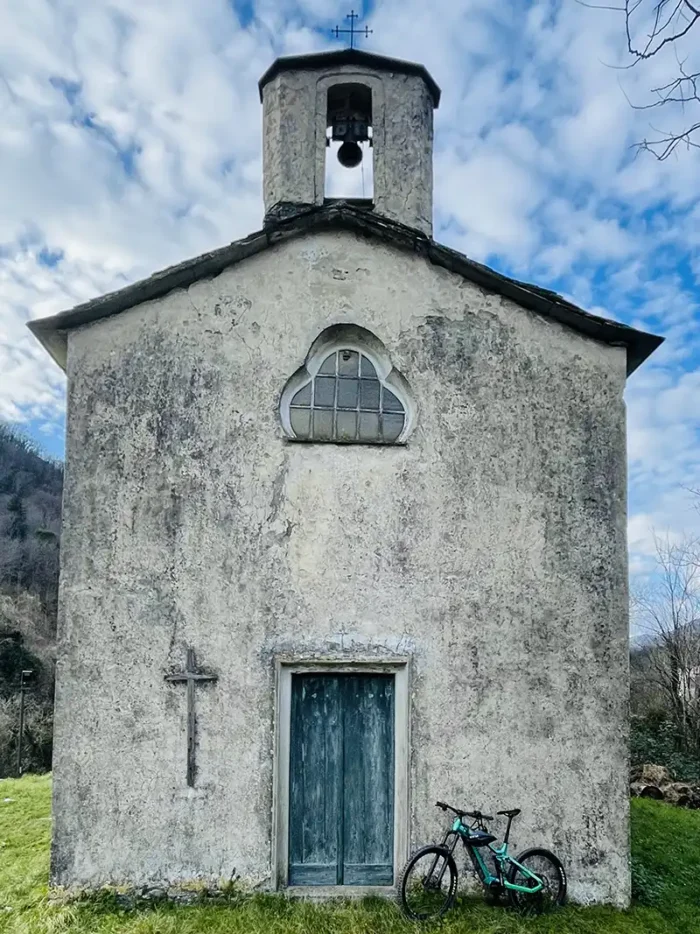
Trekking and cycling routes that may interest you
Itineraries of different durations and suitable for every taste and level of preparation, to discover the most beautiful and evocative places and panoramas of the Ligurian Tigullio.



Local experiences that might interest you
Let yourself be guided and be surprised by the hidden treasures that the Ligurian Tigullio area is capable of offering you in every season.
Sport
Hiking routes, climbing, mountain biking and much more… Choose the sport in contact with nature that’s right for you!

Culture
Shows, Theatre, Music, Food and Wine, Reading… Experience the cultural and artistic proposals, immersed in the Ligurian landscape.

Nature
Geology, bird watching, nature engineering and other initiatives, to cultivate awareness and responsibility for environmental issues.
More heritage that may interest you
Catalog of the tangible and intangible heritage, a precious resource of the Tigullio for community building and local development.
Join us!
Preserve the history and traditions of the Ligurian Tigullio area and keep them alive for future generations.