

Jasper Quarry of Valle Lagorara
Valle Lagorara: The Jasper Mine of Monte Scogliera
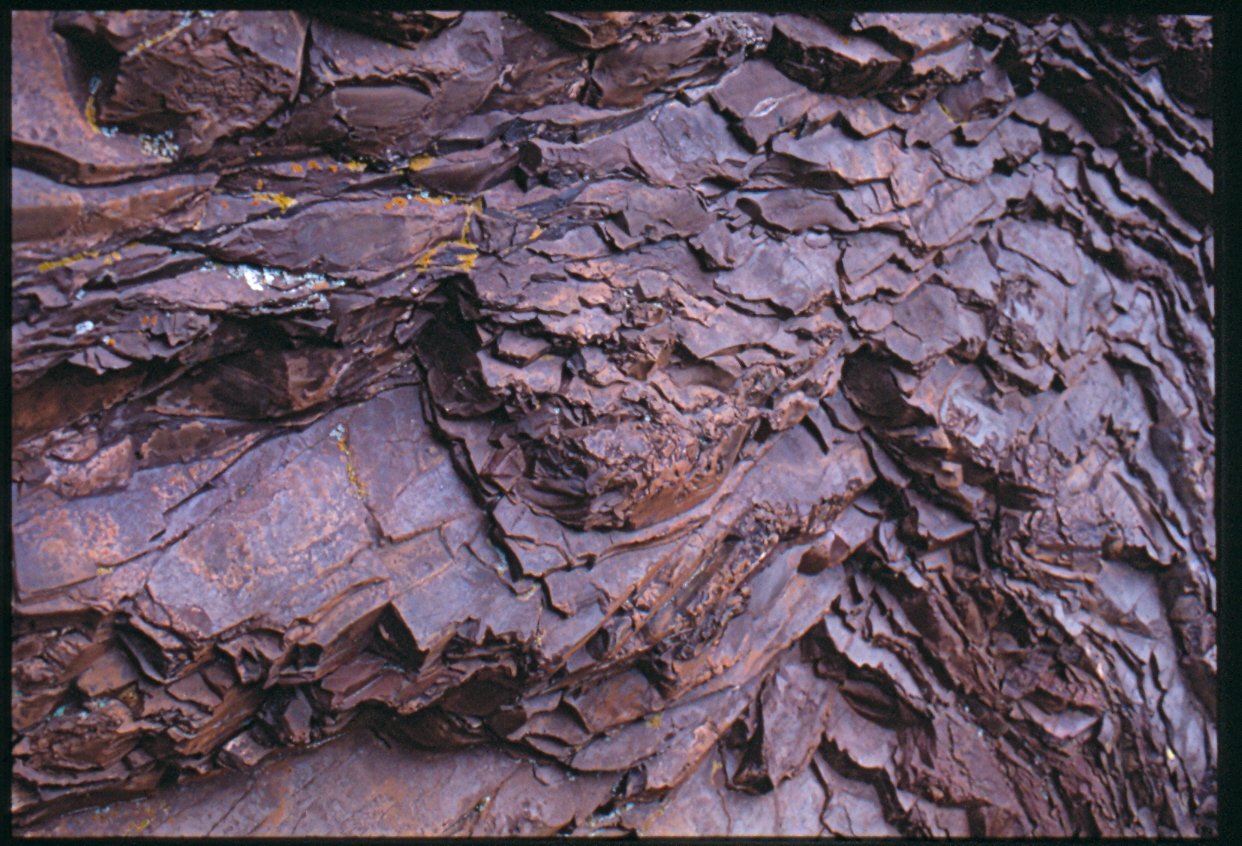
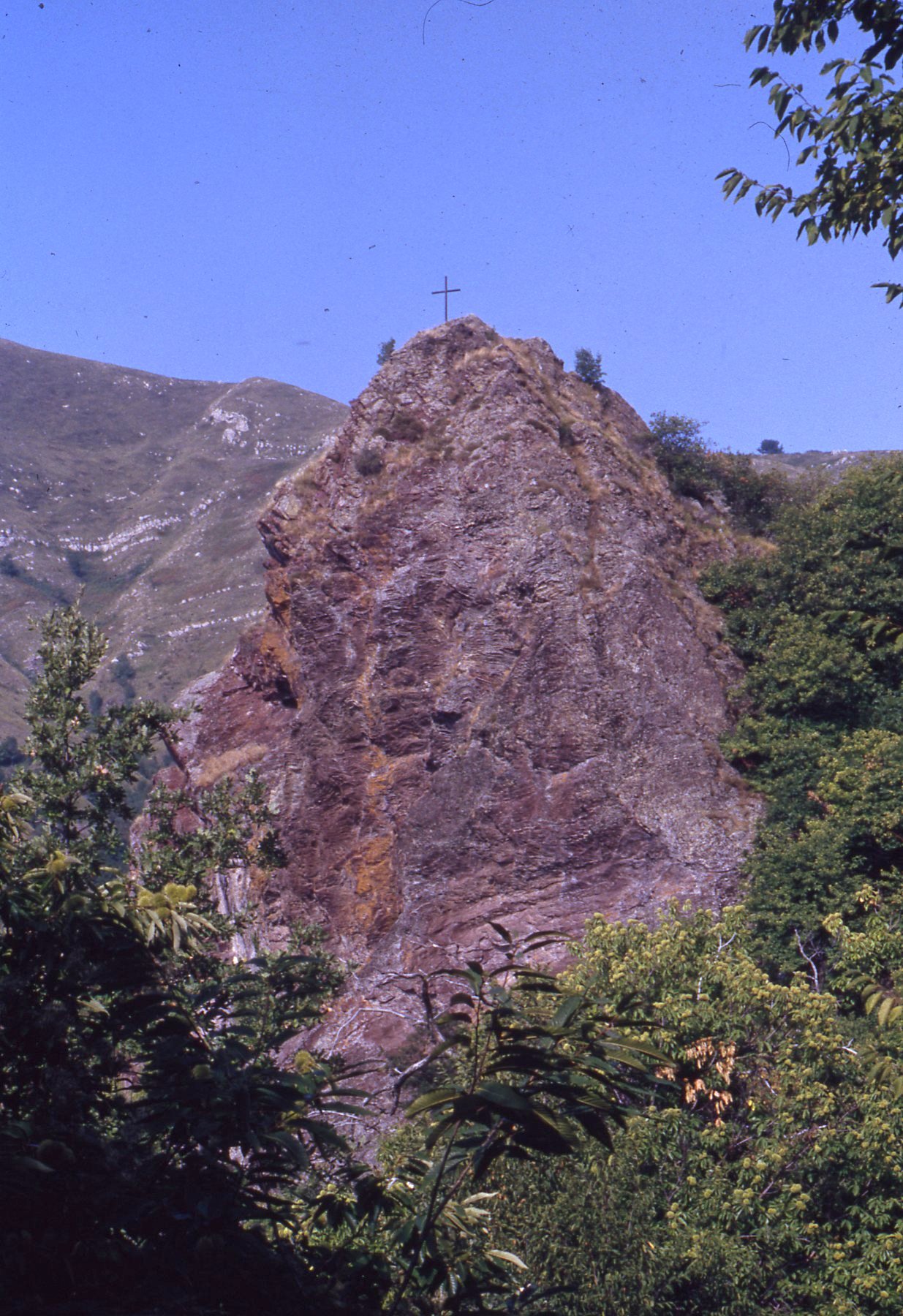
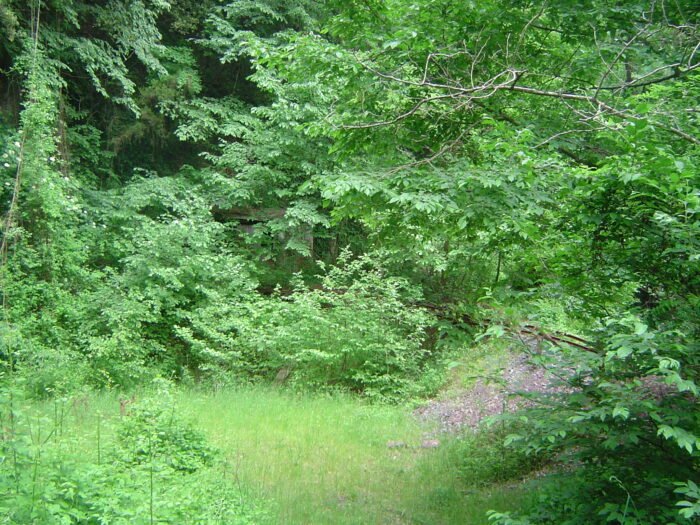
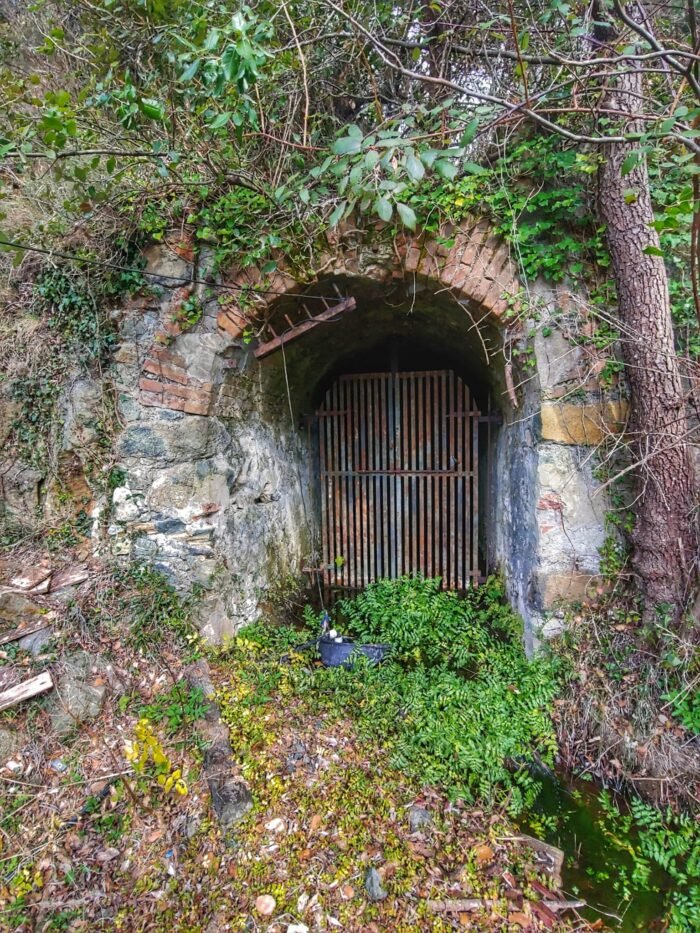
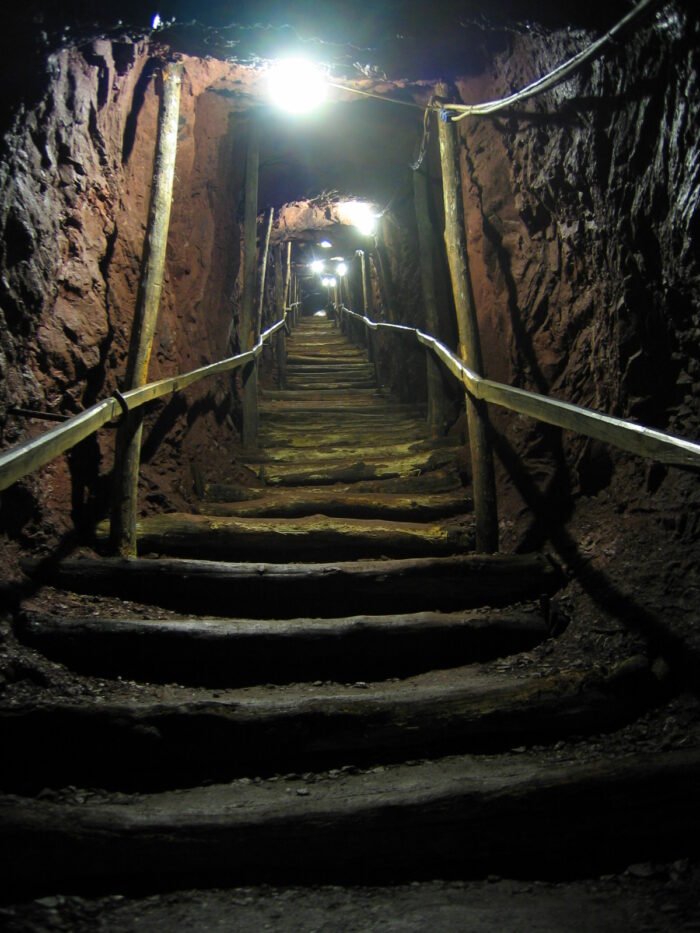
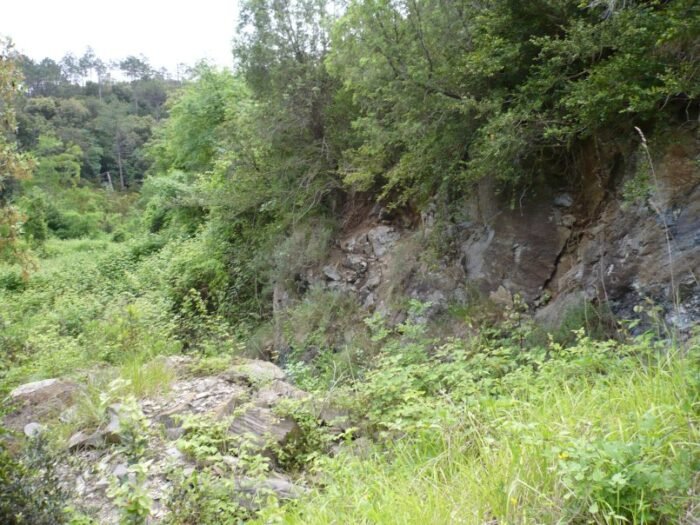
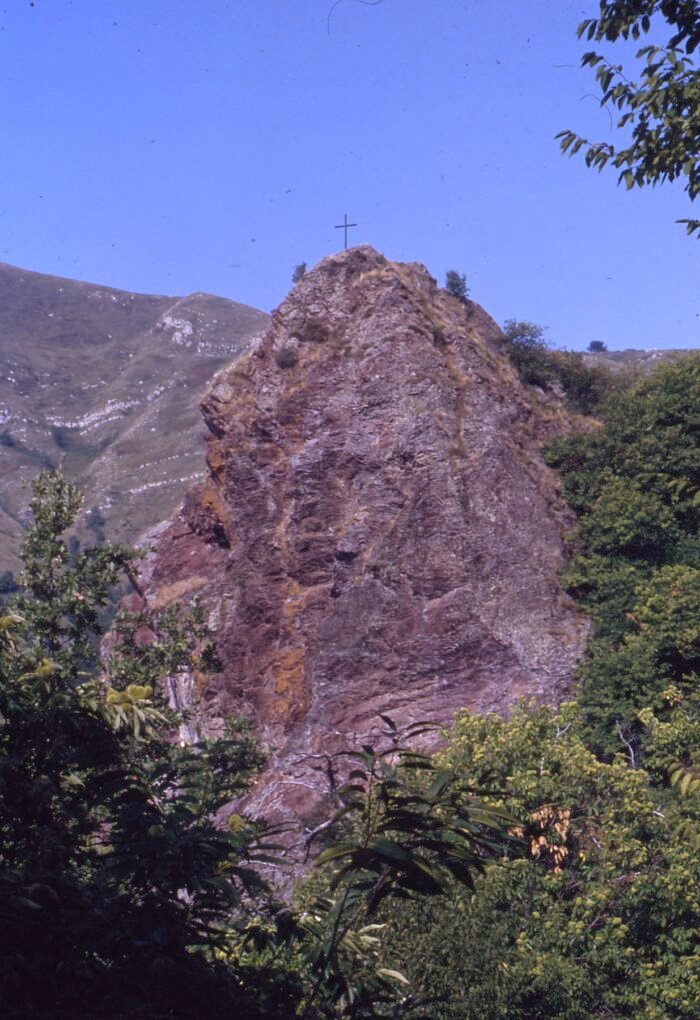
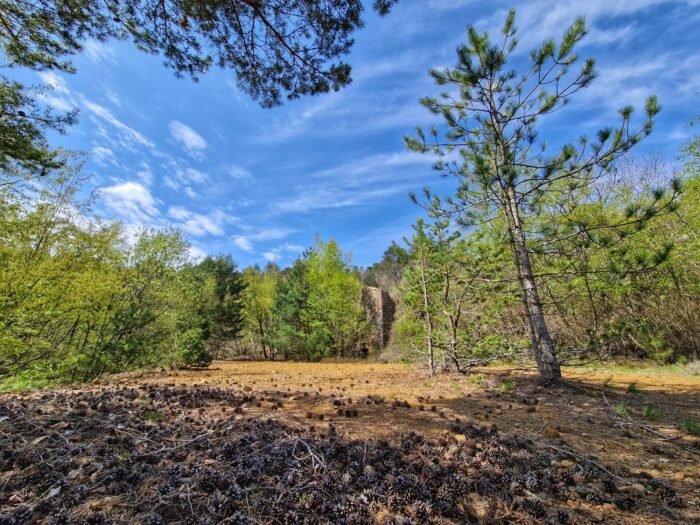
At Valle Lagorara, on the western slope of Monte Scogliera at 750 meters above sea level, there is an impressive jasper outcrop. Discovered in 1987 by Sergio Nicora, the site was the subject of extensive multidisciplinary archaeological investigations carried out by the Superintendence of Archaeology of Liguria until 1995. The outcrop extends over 200 meters, with thousands of nearly vertical stratified layers, silently bearing witness to millennia of human activity linked to stone extraction.
Ancient Mining and Techniques
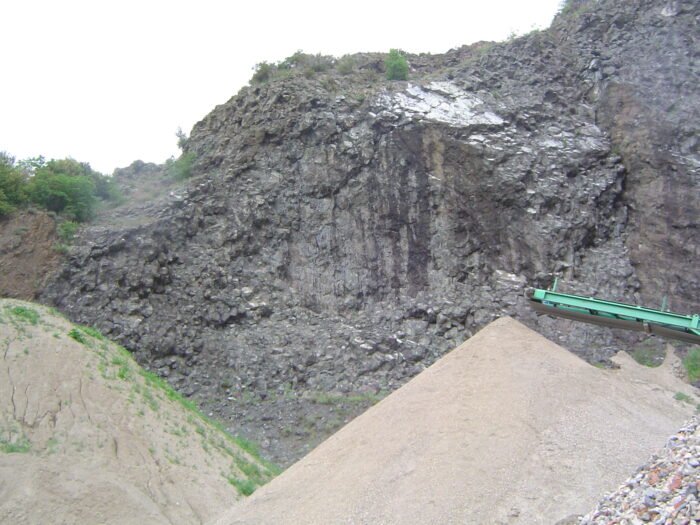
The quarry layers show concentric and conchoidal fractures produced by hammering with stone tools, evidence of intense activity that created large niches along the slope. At the base of the quarry walls lie detrital cones, composed mainly of debris from extraction and the initial rough shaping of jasper blocks. The extracted flakes and shards were then transported to the eastern side of the valley, where they were further worked under rock shelters into arrowheads, daggers, and picks following a nearly standardized operational chain.
Workshops and Craftsmanship: Beyond Jasper
At Valle Lagorara’s shelters, a small steatite workshop was also active, producing numerous ornaments such as necklace beads, pendants, and trapezoidal-shaped items. The study of these artifacts has reconstructed the techniques and types of ornaments produced, revealing an advanced artisanal culture for the time.
Early Metallurgy and Dating
Inside one of the rock shelters, called Riparo Est, two fragments of copper smelting slags were found, evidence of metallurgical practices dating back to the beginning of the Copper Age. Radiocarbon dating confirms that the jasper extraction activity was concentrated between 4500 and 4000 BCE, highlighting the strategic and technological importance of Valle Lagorara for the prehistoric communities of the Tigullio area.
Sources
Geoportale Regione Liguria_Geositi;
Campana N., Negrino F., Maggi R., Nicora S., “Scoperta di un’officina litica in Valle Lagorara (Maissana, La Spezia)”, in Giornale Storico della Lunigiana e del Territorio Lucense, XXXIX – 1988, pp. 83-94;
Campana N., Maggi R., Negrino F., “4000 anni fa a Maissana. Una cava preistorica di diaspro scoperta in Valle Lagorara”, Grafica Piemme, Chiavari, 1993;
Campana N., Maggi R., a cura di, “Archeologia in Valle Lagorara. Diecimila anni di storia intorno a una cava di diaspro”, Origines – Istituto Italiano di Preistoria e Protostoria, Firenze, 2002;
Stagno A.M., a cura di, “Montagne incise. Pietre incise. Archeologia delle risorse nella montagna mediterranea”, Atti del Convegno (Borzonasca, 20-22 ottobre 2011), Firenze, All’Insegna del Giglio;
Maggi R., “I monti sono vecchi. Archeologia del paesaggio”, De Ferrari, Genova, 2017;
https://passegg; iareinliguria.it/2019/06/26/valle-lagorara/;
https://www.archeominosapiens.it/lagorara-5000-anni-fa-una-cava-di-diaspro-ma-anche-noduli-e-miniere/
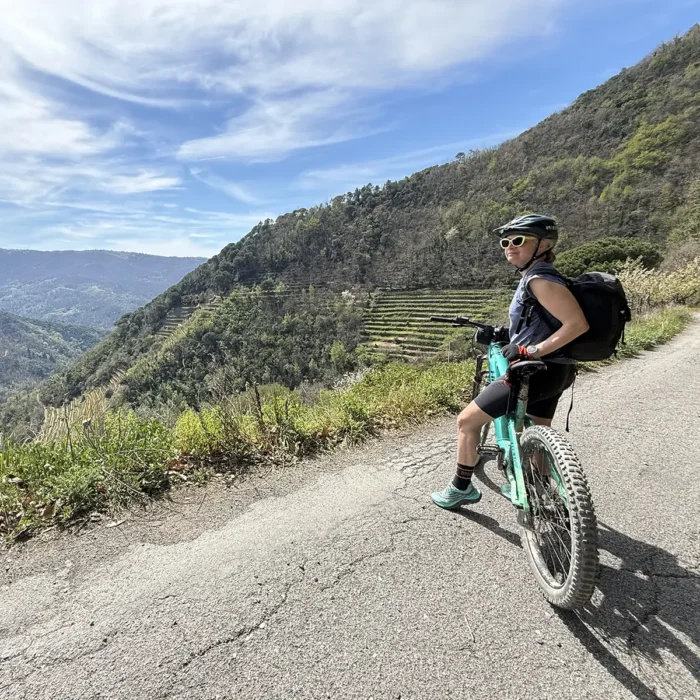
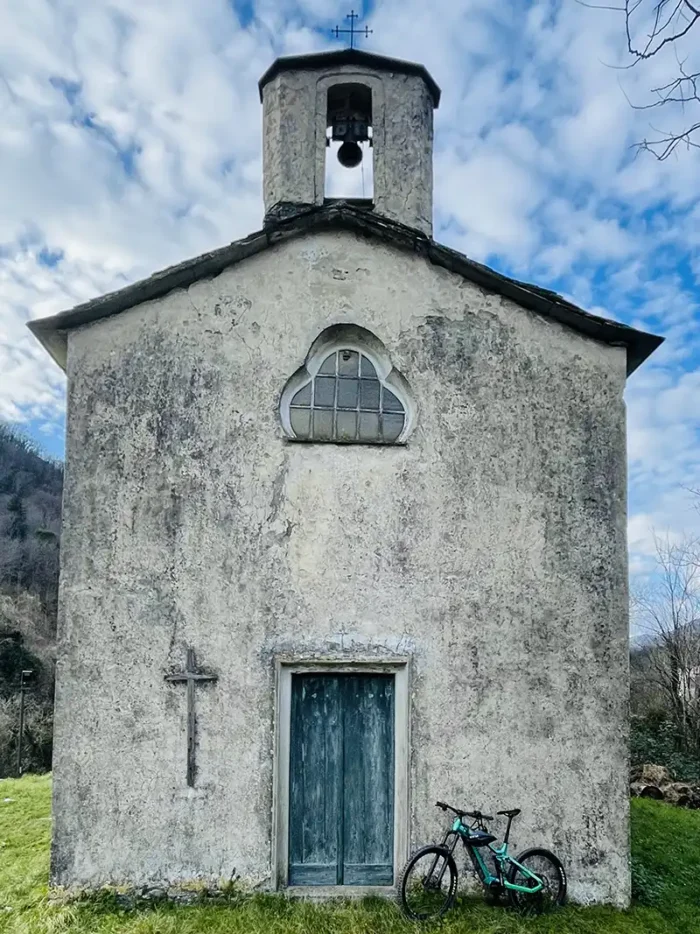
Trekking and cycling routes that may interest you
Itineraries of different durations and suitable for every taste and level of preparation, to discover the most beautiful and evocative places and panoramas of the Ligurian Tigullio.



Local experiences that might interest you
Let yourself be guided and be surprised by the hidden treasures that the Ligurian Tigullio area is capable of offering you in every season.
Sport
Hiking routes, climbing, mountain biking and much more… Choose the sport in contact with nature that’s right for you!

Culture
Shows, Theatre, Music, Food and Wine, Reading… Experience the cultural and artistic proposals, immersed in the Ligurian landscape.

Nature
Geology, bird watching, nature engineering and other initiatives, to cultivate awareness and responsibility for environmental issues.
More heritage that may interest you
Catalog of the tangible and intangible heritage, a precious resource of the Tigullio for community building and local development.
Join us!
Preserve the history and traditions of the Ligurian Tigullio area and keep them alive for future generations.