

Gambatesa Mine and Mining Museum
1876: The Vision of Augusto Fages
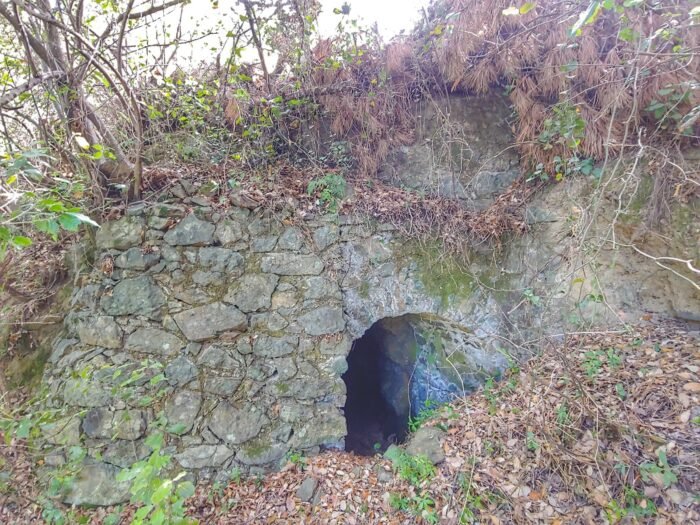
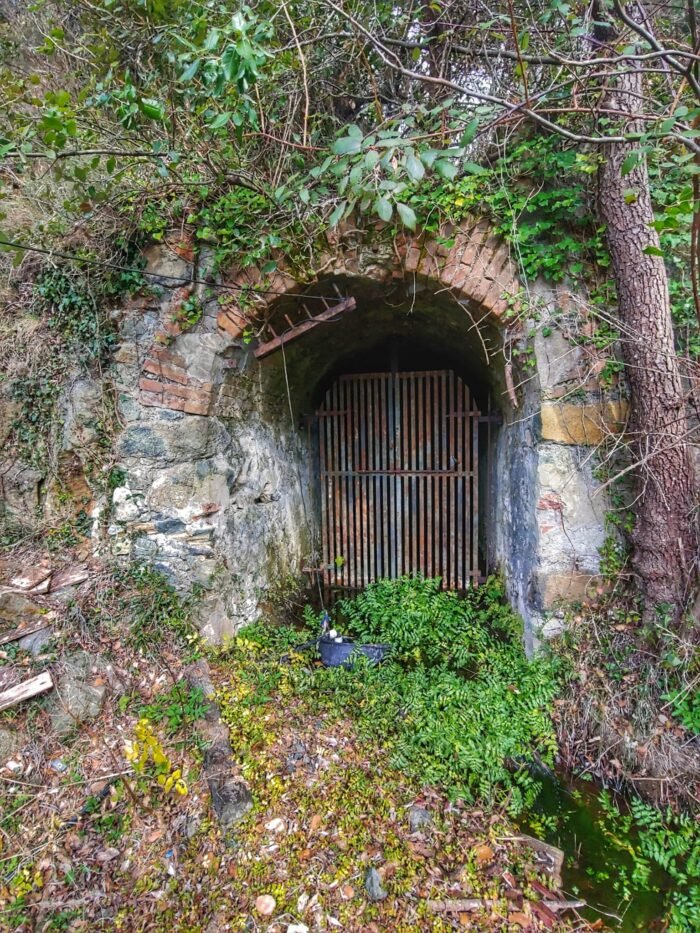
In 1876, French engineer Augusto Fages explored eastern Liguria in search of manganese, a crucial resource for producing high-quality steel. On August 29, 1878, the Ministry of Agriculture, Industry and Commerce officially recognized the discovery of the mine, which was named Gambatesa and granted to its discoverer. This marked the beginning of a story that would leave a deep imprint on the region.
A World-Class Braunite Deposit
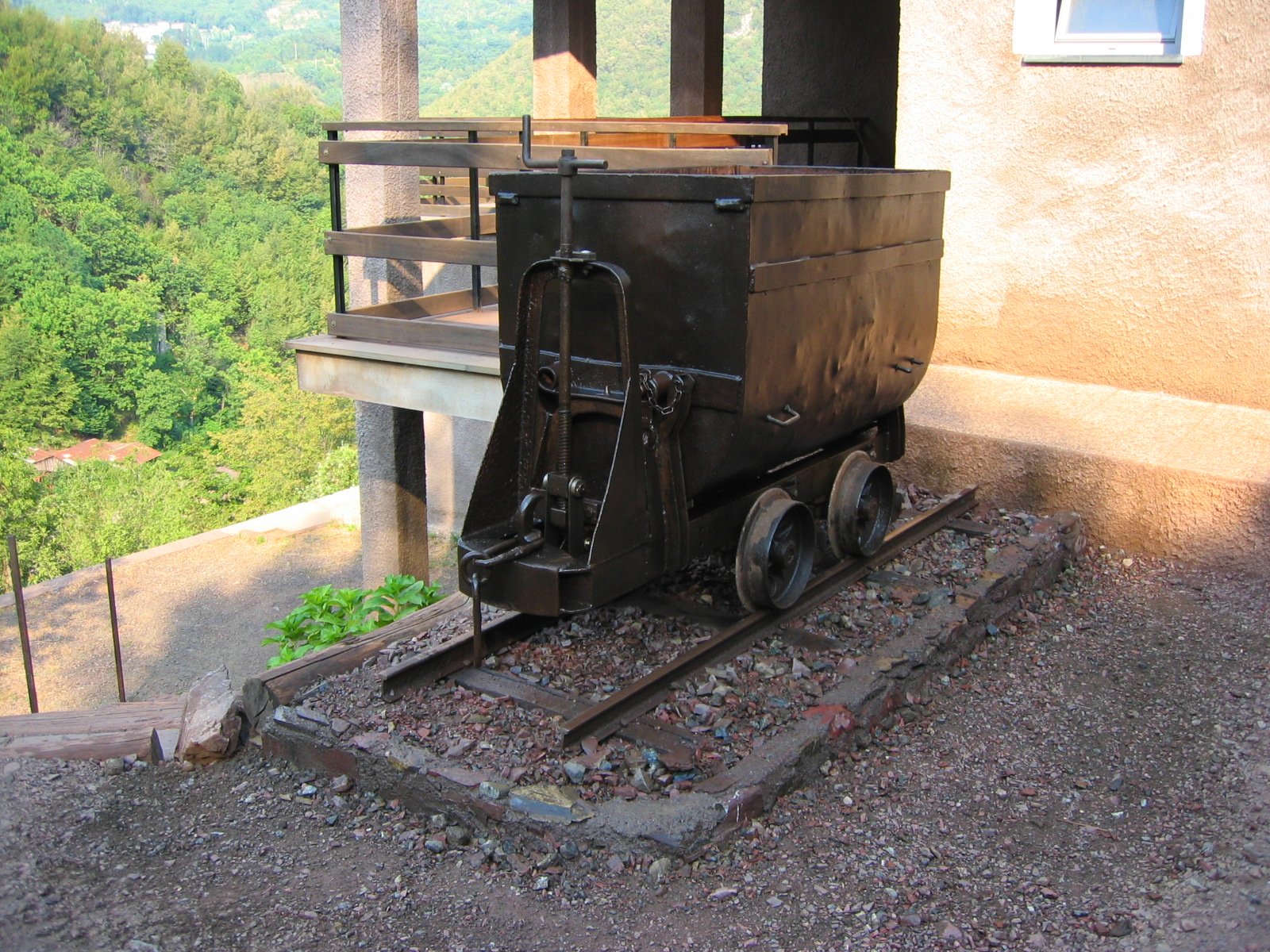
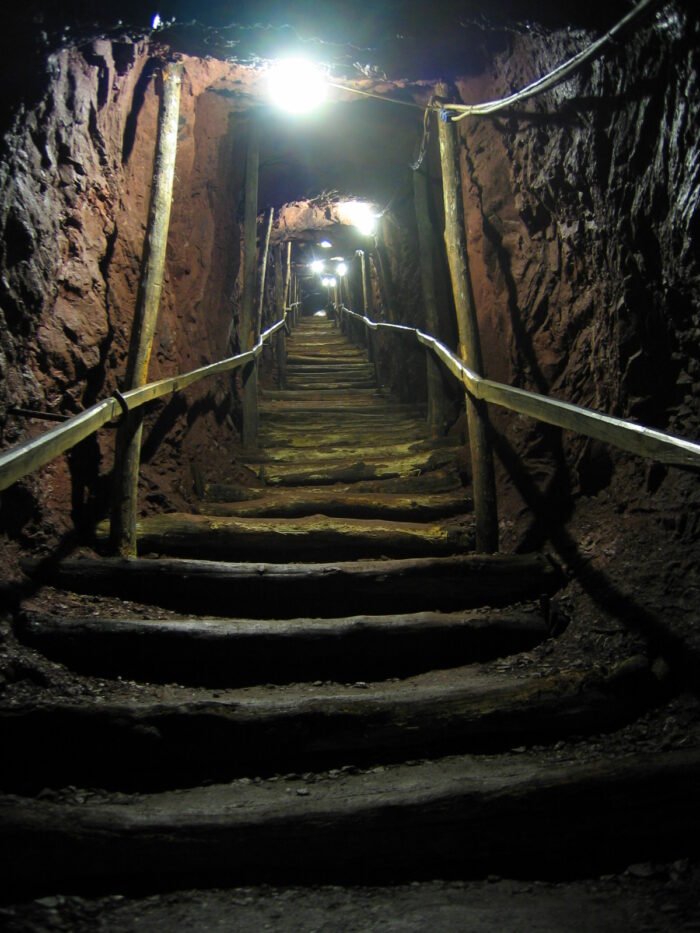
Within just a few years, the mine developed rapidly: 15 miners worked underground while 25 women sorted the extracted material, separating valuable ore from waste rock. The Braunite found here contained between 45% and 50% manganese—among the highest concentrations in the world. In 1901, the construction of the Conscenti–Frisolino road improved transport to the port of Sestri, streamlining the commercialization of the ore.
From the Fages Family to Società Ferriere di Voltri
After Fages’ death in 1902, the concession passed to his heirs and in 1918 was acquired by the Società Ferriere di Voltri. During the Fascist period, the mine was nationalized and, throughout World War II, operations continued under German control, directed by SS Second Lieutenant Franz Frank. Wartime conditions led to a significant slowdown, mainly due to labor shortages.
Technological Innovation and Italsider Management
In 1940, the concession was transferred to the company Ferromin, which introduced wet drilling techniques to reduce silica dust and prevent silicosis. About thirty years later, the mine was taken over by Italsider, which further modernized extraction methods. Nevertheless, in 1973, the site was closed due to the depletion of the deposit and the high extraction costs compared to imported manganese.
Revival with Sil.Ma. and the Turn to Tourism
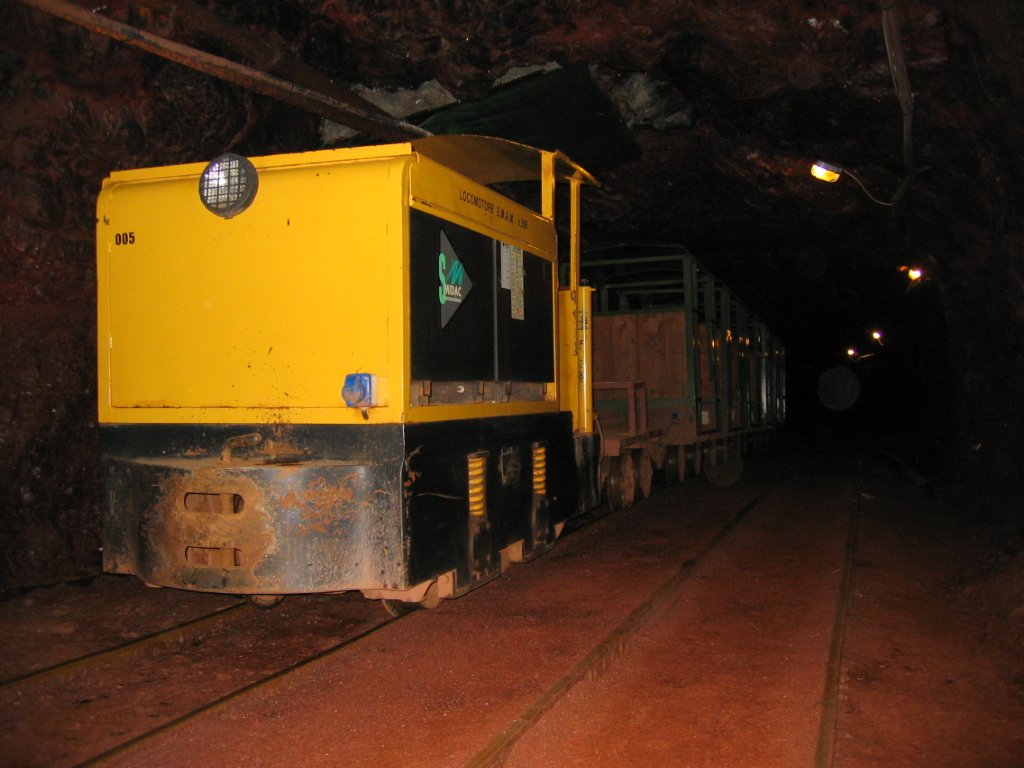
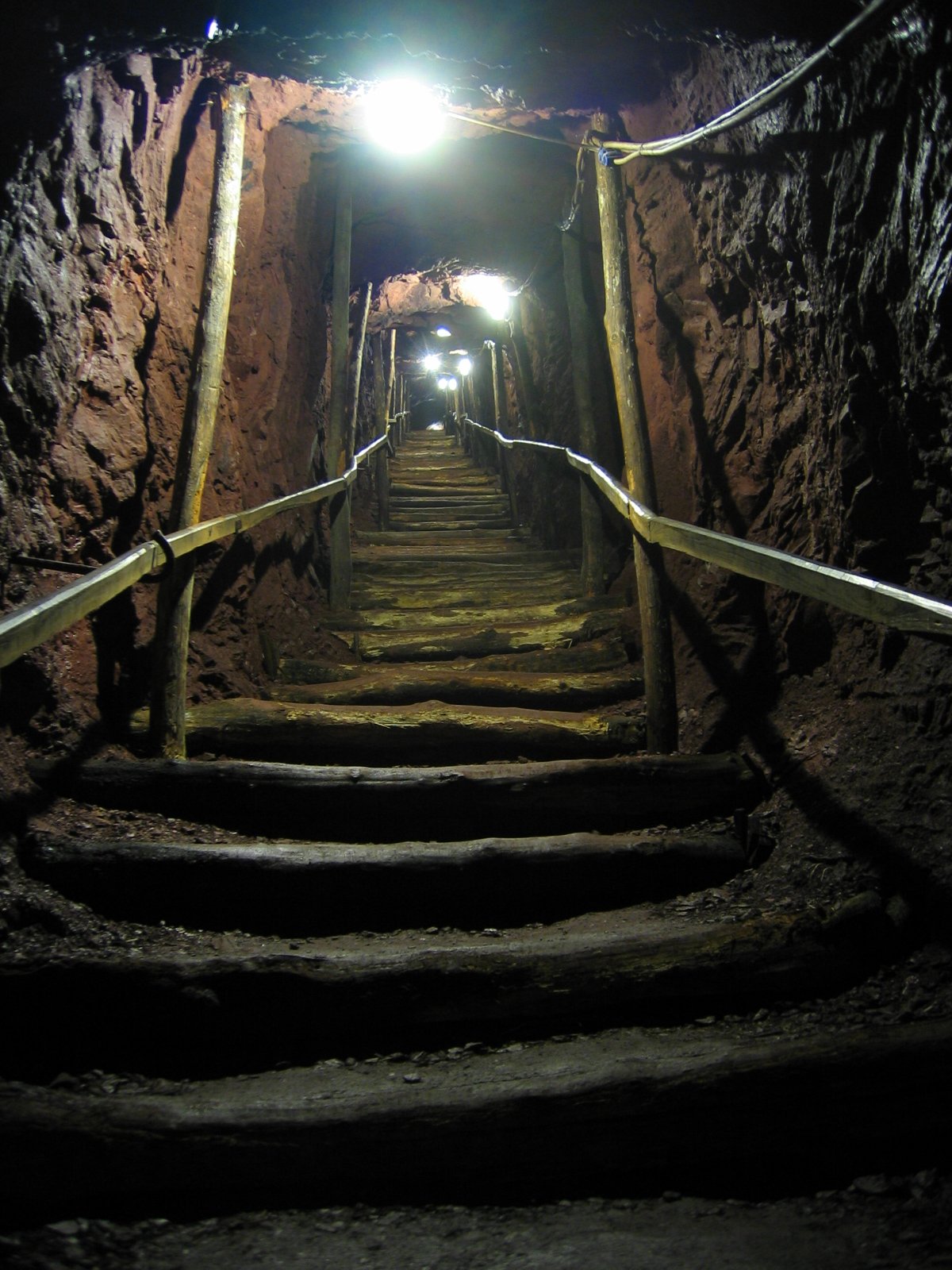
In 1976, Sil.Ma. S.r.l., founded by surveyor D. Vercellotti, reactivated the concession and resumed operations across other sites in the valley, employing up to 16 miners by 1985. In the 1990s, engineer D. Vercellotti inaugurated a tourist route alongside mining activities, enhancing the site’s value as part of Liguria’s industrial heritage. Operations continued until May 27, 2011, when final closure was declared due to economic unfeasibility. Since 2022, the mining museum has been closed to visitors, awaiting a new management tender.
Sources
Geoportale Regione Liguria_Geositi;
L’uomo che sa leggere la montagna, A.Lajolo, Guido Lombardi, 2000 Sil.Ma. Srl
Trekking and cycling routes that may interest you
Itineraries of different durations and suitable for every taste and level of preparation, to discover the most beautiful and evocative places and panoramas of the Ligurian Tigullio.



Local experiences that might interest you
Let yourself be guided and be surprised by the hidden treasures that the Ligurian Tigullio area is capable of offering you in every season.
Sport
Hiking routes, climbing, mountain biking and much more… Choose the sport in contact with nature that’s right for you!

Culture
Shows, Theatre, Music, Food and Wine, Reading… Experience the cultural and artistic proposals, immersed in the Ligurian landscape.

Nature
Geology, bird watching, nature engineering and other initiatives, to cultivate awareness and responsibility for environmental issues.
More heritage that may interest you
Catalog of the tangible and intangible heritage, a precious resource of the Tigullio for community building and local development.
Join us!
Preserve the history and traditions of the Ligurian Tigullio area and keep them alive for future generations.