

Hints of peasant life
Land Management “a Manente”
Once upon a time, in the Ligurian lands, agricultural land was almost all managed “a manente”. The owner entrusted the land to a family who worked it, and the harvest was divided in half. A lot of wheat was grown, which was threshed in the small squares in front of the houses. To make the ground smooth, it was spread with cow dung. Threshing was a collective activity, as was the shelling of corn cobs, which took place in the evening, after dinner, with the help and company of the neighbors.
The Harvest: A Moment of Community Union
The grape harvest was another moment of great community participation. Relatives and friends gathered to pick grapes. Breakfast for the workers was simple: “sciacco” cheese, a type of soft and spicy parmesan rich in very small worms. Lunch was more substantial, based on goat stew, homemade focaccia and unlimited wine.
Traditional Irrigation Systems
To irrigate the vegetable gardens, various systems were used: the stork (“sigheügna”), windmills and the noria (“boredom”). Noria was an ancient technique: a donkey, blindfolded to prevent it from stopping to graze, went around in a circle, activating a series of containers that rose full of water from a well. The water was then directed into the furrows prepared by the farmer.
Domestic Life and Water
Until the early 1950s, water for domestic use was drawn from wells. The more affluent had a hand pump. For laundry, in addition to soap, peasant women used ash, lye and “turchinetto” to give a light blue shade to the linen. They washed at home, in troughs or near small streams. In Cogorno, they went “in ta vale”, to places like “dai Romani”, to the “Leisei” spring, or to the “Muine” valley.
Lighting and the Arrival of Electricity
Lighting, until the early 1920s, was provided by oil, acetylene and petroleum lamps. In 1925, electricity finally arrived in Cogorno, which spread to the entire valley by the end of the 1930s. In richer homes, the first radios played in the living rooms. The lucky few who owned them kept the volume high so that their neighbors could also hear the news and war announcements.
Peasant Life: Farming and Housework
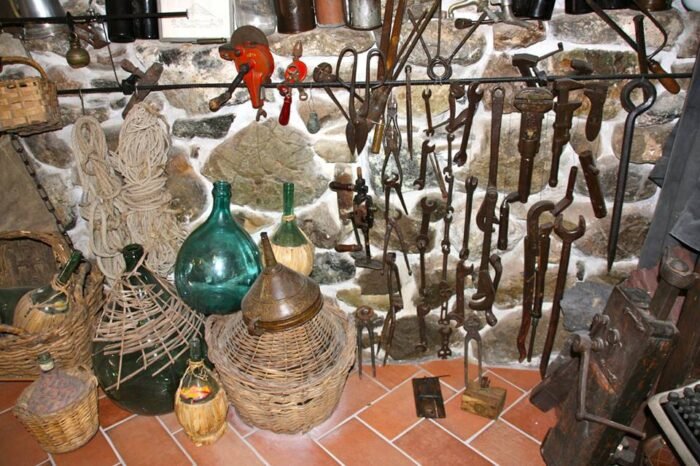
Almost all farmers owned at least one cow and many chickens. The most beautiful rooster was always donated to the owner of the land. The pigs were numerous and were raised on “drinks”, made up of dried chestnuts and bran mixed in hot water. Pigs were slaughtered by farmers with the help of neighbors, producing salami, sausages, lard and other delicacies. The families took turns passing the pig’s tail, which was put into the minestrone to flavor it.
The Milkmen and Their Traditions
In the Ligurian hamlets, there were numerous milkmen and milkmaids. Late in the evening they collected milk from farmers and early in the morning they took it to the families of Lavagna and Chiavari, carrying it in drums on their heads or in buckets hanging from their arms. Back home, they dedicated themselves to work in the fields, livestock, housework and their numerous children.
The Boys and Work in the Fields
The boys, while going to school, had to help in the fields. Often, once they had finished their compulsory schooling, at the age of 15 they went to Lavagna or Chiavari to become an apprentice (“boccia”), learning the trade of a bricklayer. They left at dawn with a loaf of corn from the day before and some dried figs, placed inside a sleeve of their jacket tied at the wrist, which constituted their midday meal.

Sources
Bruschi R., Lebboroni S., “Ritratto di Cogorno. L’antico feudo dei Conti Fieschi attraverso le sue memorie storiche”, Genova, De Ferrari Editore, 2000
Bertani A., “Come vivevamo. Case, cibo e salute dei contadini in Liguria a fine Ottocento”, a c. di Marengo A., Savona, pentàgora, 2021
Plomteux H., Cultura contadina in Liguria. La Val Graveglia, Genova, Sagep, 1980
Porcella M., “La fatica e la Merica”, Genova, Sagep, 1986
Viarengo G., “L’Albero della Cuccagna. Paesaggio, alimentazione e cucina nella Liguria di Levante”, Chiavari, Internòs, 2023
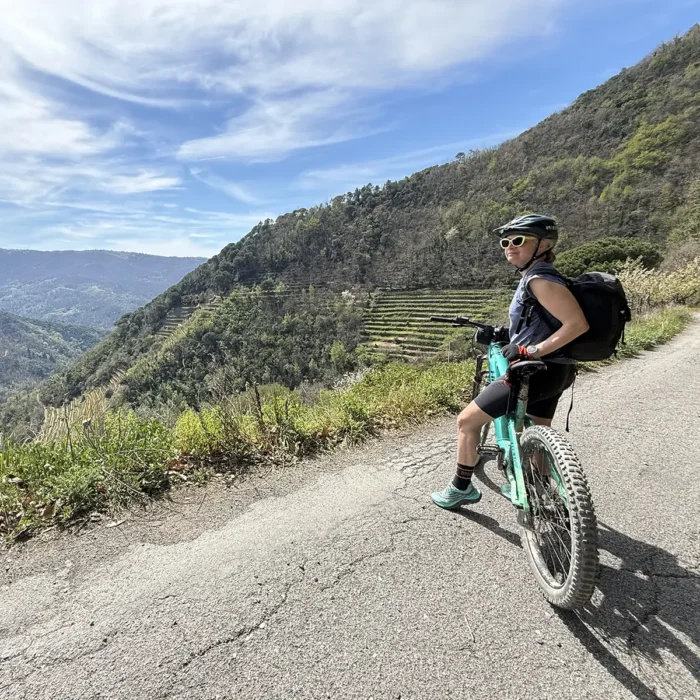
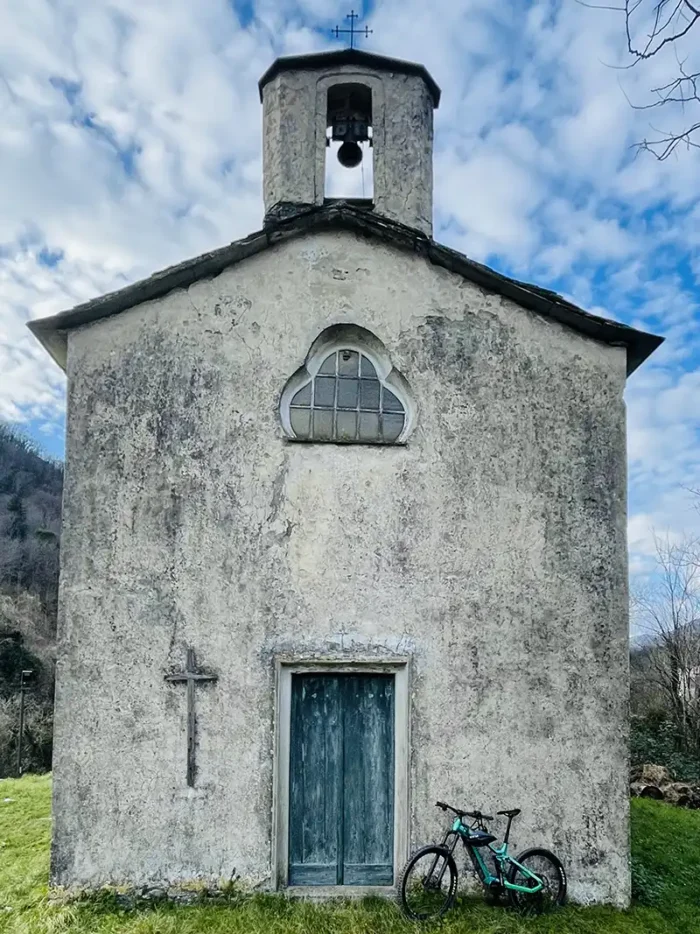
Trekking and cycling routes that may interest you
Itineraries of different durations and suitable for every taste and level of preparation, to discover the most beautiful and evocative places and panoramas of the Ligurian Tigullio.



Local experiences that might interest you
Let yourself be guided and be surprised by the hidden treasures that the Ligurian Tigullio area is capable of offering you in every season.
Sport
Hiking routes, climbing, mountain biking and much more… Choose the sport in contact with nature that’s right for you!

Culture
Shows, Theatre, Music, Food and Wine, Reading… Experience the cultural and artistic proposals, immersed in the Ligurian landscape.

Nature
Geology, bird watching, nature engineering and other initiatives, to cultivate awareness and responsibility for environmental issues.
More heritage that may interest you
Catalog of the tangible and intangible heritage, a precious resource of the Tigullio for community building and local development.





Join us!
Contribute to preserve the history and traditions of the Ligurian Tigullio area, and keep them alive for future generations.