

Extreme agriculture
The Challenges of Agriculture in Liguria: The Historic “Fasce” and the Fight for Fertility
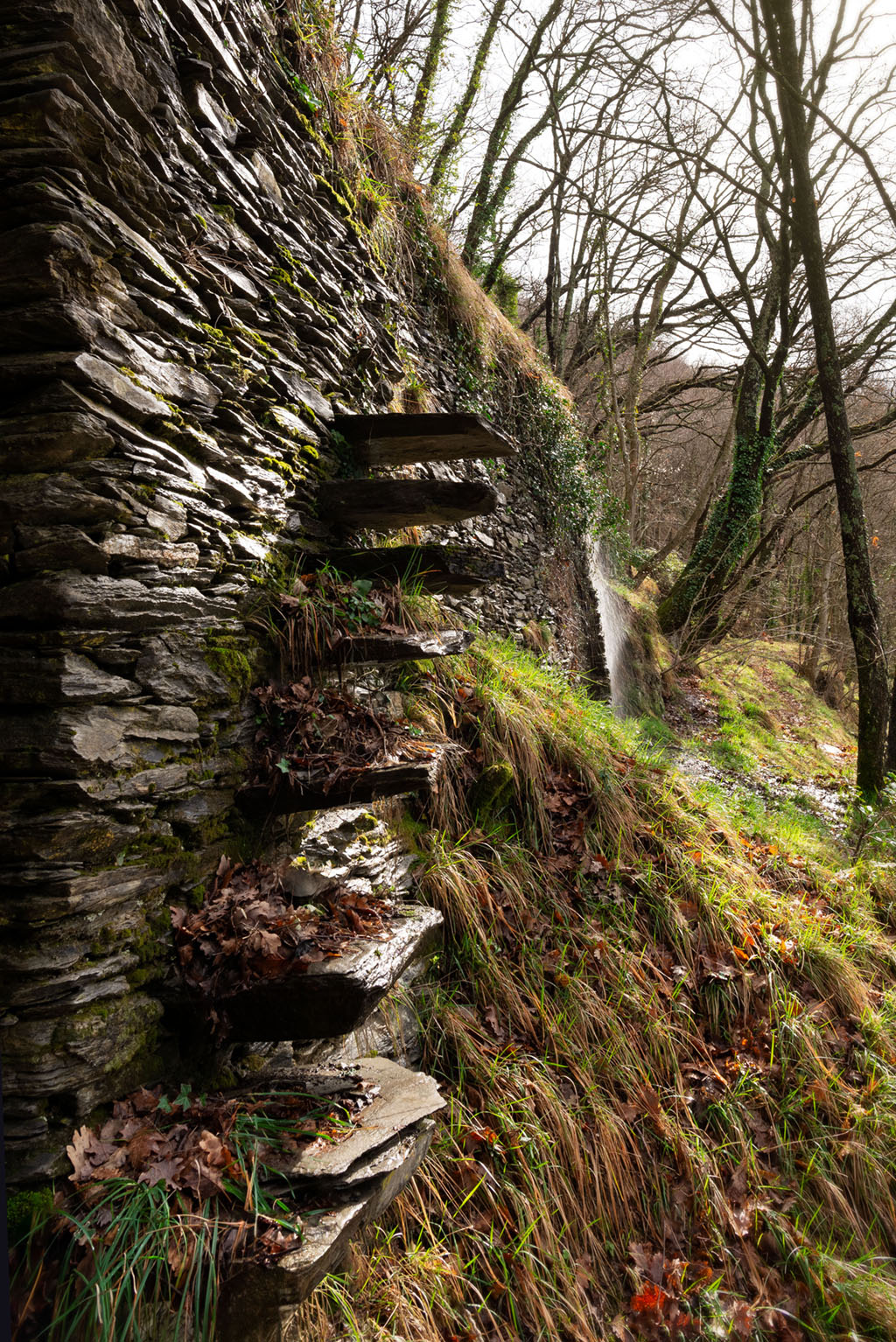
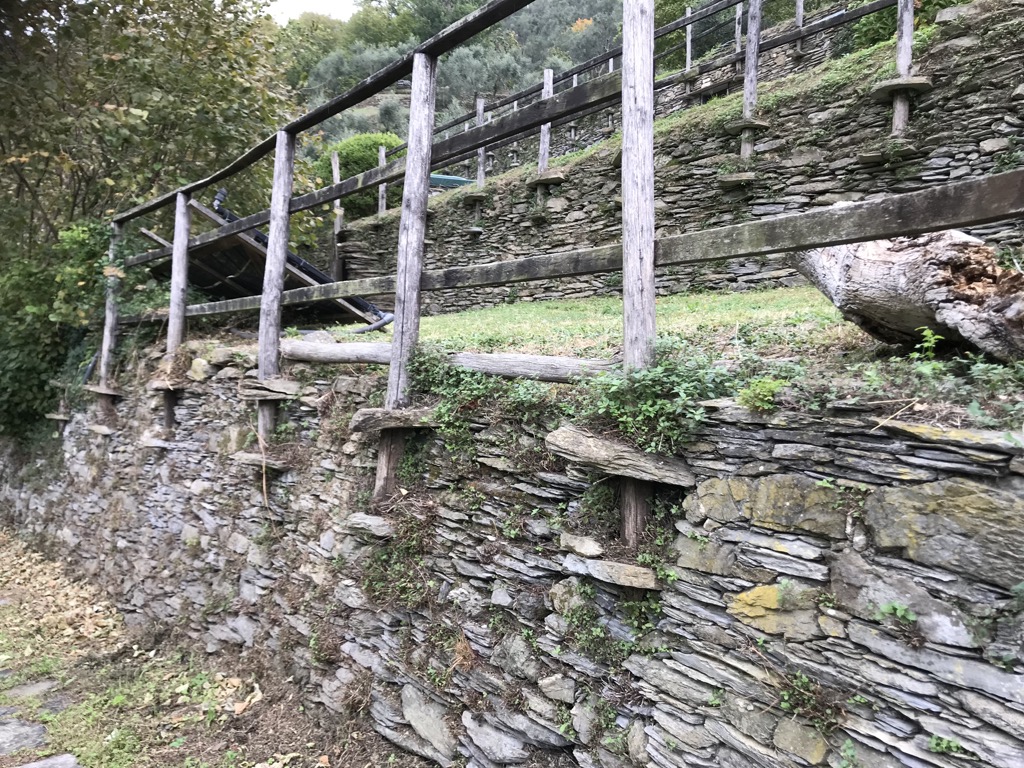
In Liguria, agriculture faced exceptional challenges. The famous “fasce”, terraces of arable land, offered only 30-40 centimeters of fertile soil. Below, the fill was made up of waste soil, stony and coarse. These bands represented an extreme condition for agriculture.
The Difficult Irrigation of the terraces
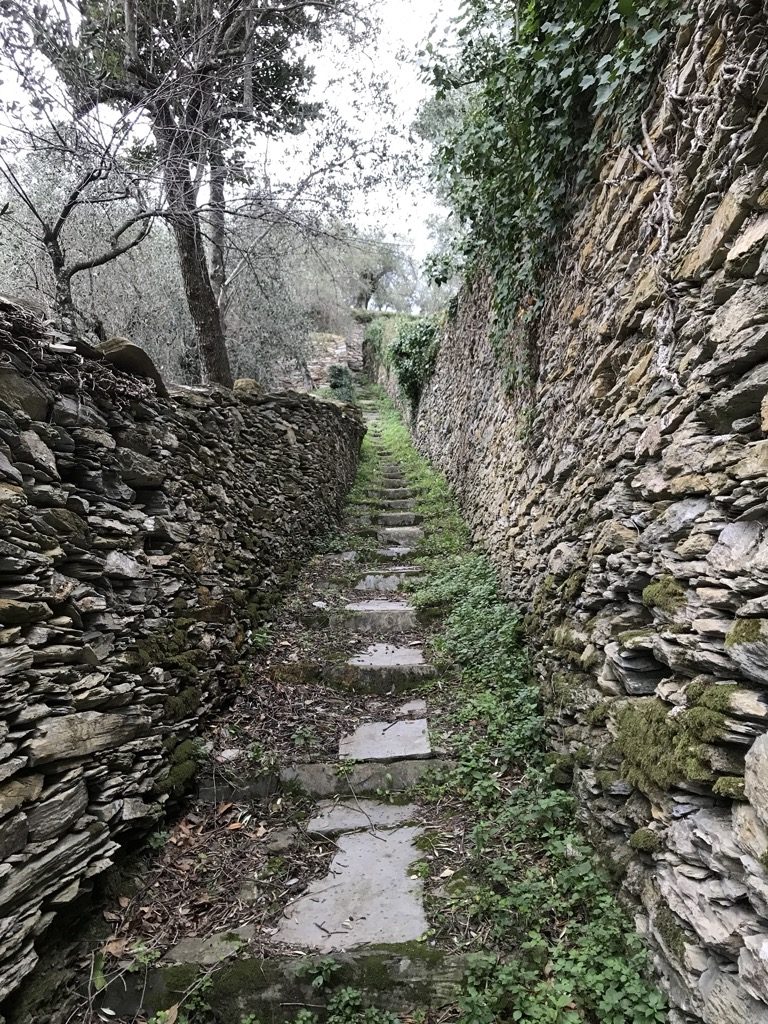
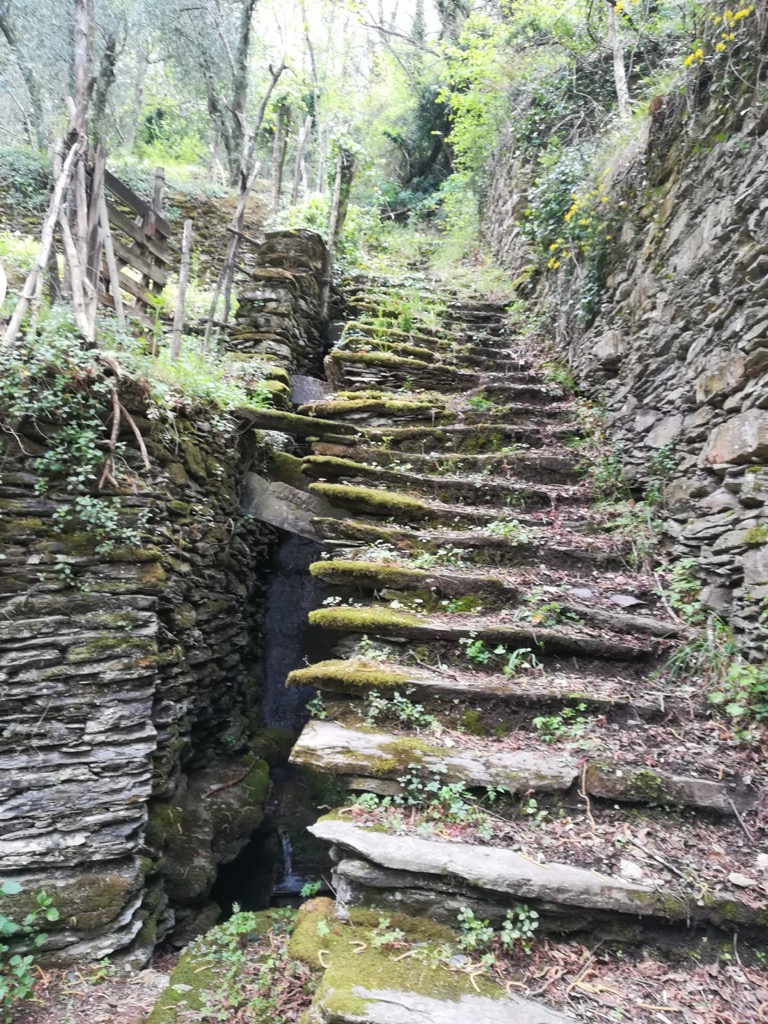
Except for a few strips located on the valley floor, most of these terraces were not irrigable, remaining vulnerable to drought. The narrowness of space and the adoption of promiscuous crops were necessities dictated by the needs of the peasant family. The dangerous access stairs, often steep and narrow, made it impossible to use the animals for both transport and ploughing, making agricultural work in Liguria particularly tiring compared to other regions.
Rudimentary Tools for Difficult Terrain
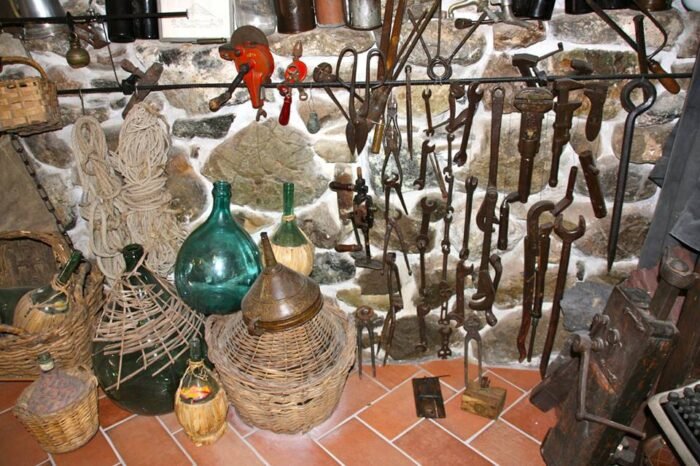
The traditional tools used were rudimentary. The bident (known as “sappa búrca”) was used to hoe the hardest and most tenacious soil. However, even with this tool, only a very limited surface could be worked. In the Genoese area, the customary norm for a paid digger was approximately 27 square meters per day, equal to 3 square spouts of 144 palms.
A Landscape of Ingenuity and Tenacity
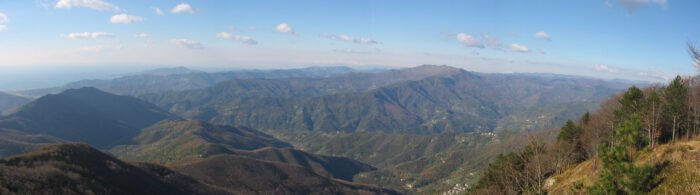
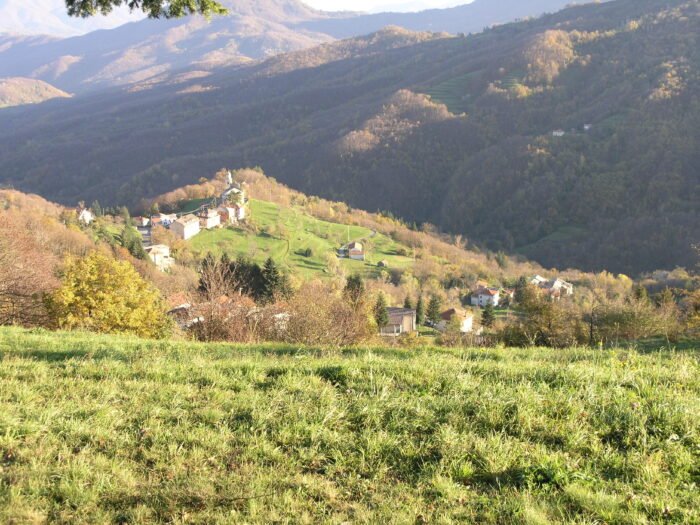
The Ligurian landscape, with its bands that climb the hillsides, testifies to the ingenuity and tenacity of the farmers. Each terrace, with its hard and difficult terrain, tells a story of struggle and adaptation, where nature and man confront each other in a dance of resistance and perseverance. In this scenario, agricultural work became an art, a discipline that required not only physical strength, but also an intimate knowledge of the territory and its challenges.
Fasce (terraces): Symbols of Determination and Survival
Fasce, therefore, are not only symbols of heroic agriculture, but also living monuments of human determination, capable of transforming even the most inhospitable terrain into precious resources for survival.
Fonti
Allegri R. “I segni della storia nella lettura dal territorio (testimonianze dal territorio ligure), in Allegri R., Galliano G. (a c.d di), “Rappresentazioni e letture del territorio ligure”, Genova, Fratelli Frilli Editori, 2004
Porcella M., “La fatica e la Merica”, Genova, Sagep, 1986
Viarengo G., “L’Albero della Cuccagna. Paesaggio, alimentazione e cucina nella Liguria di Levante”, Chiavari, Internòs, 2023
Trekking and cycling routes that may interest you
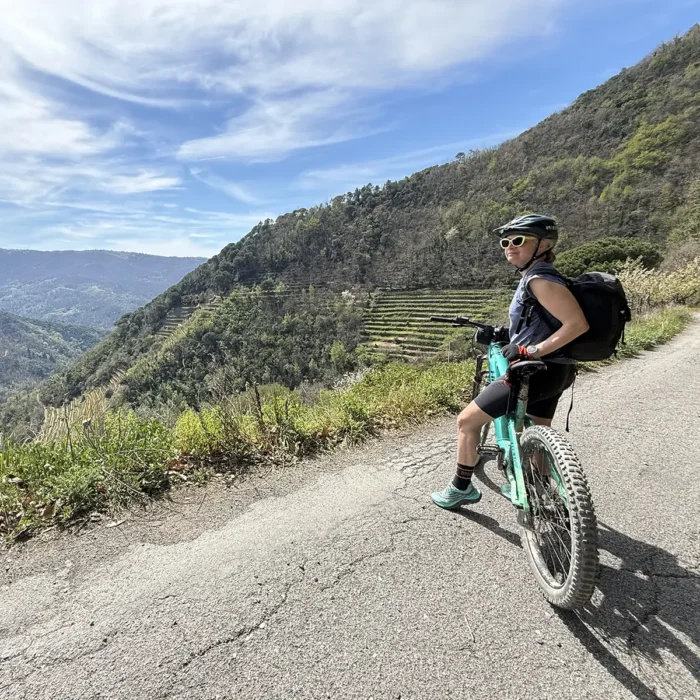
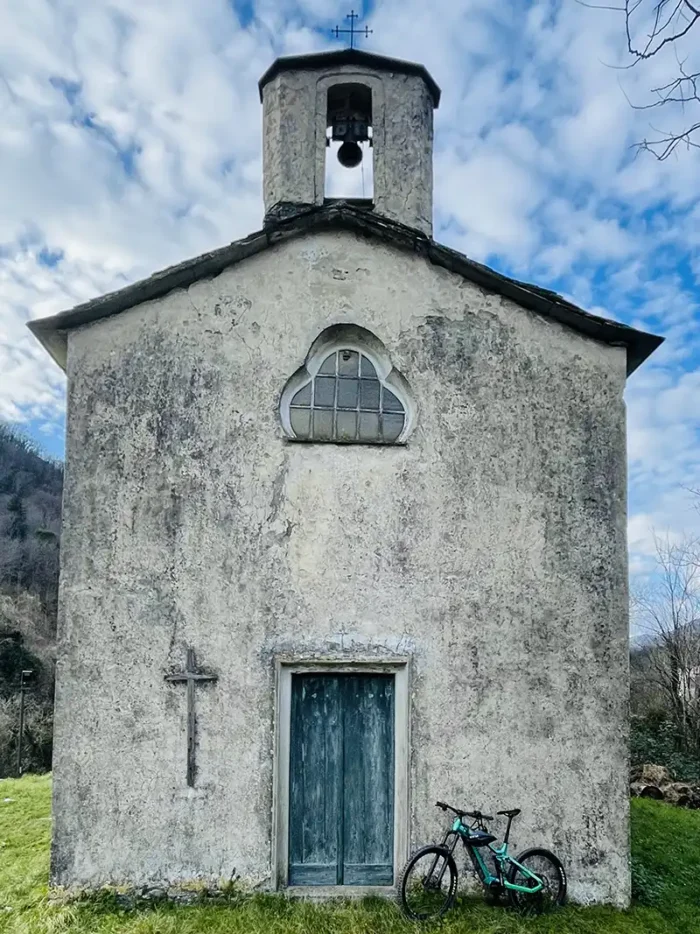
Itineraries of different durations and suitable for every taste and level of preparation, to discover the most beautiful and evocative places and panoramas of the Ligurian Tigullio.



Local experiences that might interest you
Let yourself be guided and be surprised by the hidden treasures that the Ligurian Tigullio area is capable of offering you in every season.
Sport
Hiking routes, climbing, mountain biking and much more… Choose the sport in contact with nature that’s right for you!

Culture
Shows, Theatre, Music, Food and Wine, Reading… Experience the cultural and artistic proposals, immersed in the Ligurian landscape.

Nature
Geology, bird watching, nature engineering and other initiatives, to cultivate awareness and responsibility for environmental issues.
More heritage that may interest you
Catalog of the tangible and intangible heritage, a precious resource of the Tigullio for community building and local development.





Join us!
Contribute to preserve the history and traditions of the Ligurian Tigullio area, and keep them alive for future generations.