

History of the Fieschi family of Lavagna
Origin of the Fieschi Family
The opinion of many scholars assigns the origin of the Fieschi to the lineage of the dukes of Burgundy or the princes of Bavaria, suggesting that the name “Flisci” derives from their supervisory activity over the collection of imperial taxes. However, it is certain that since the time of Otto the Great, the dominion of the Ligurian territory was divided between four main family groups: the counts of Lavagna, Ventimiglia, Savona and Malaspina. Therefore, a Lombard derivation of the Fieschi can be hypothesized, considering that the Lombards governed Liguria for almost a century and a half.
The First Accounts
The first documented Fieschi count is Tedisio, son of Oberto, who was lord of Lavagna in 992, after having participated in numerous military enterprises following King Arduino. Rubaldo Tedisio II, Rubaldo II, Alberto and Ruffino descend from Tedisio. The latter mentioned the name “Fieschi” for the first time in his will of 1177. Ugone and Tedisio III, brother of Pope Innocent IV, descended from Ruffino.
Expansion and Conflicts
At the beginning of the 11th century, the Fieschi began to expand their lordship over the nearby lands. However, the climate of freedom claimed by the municipalities hindered their progress. In 1008, the people of Genoa occupied the castle of Calosso, the first seat of the Fieschi family. After over a century of fighting, the Genoese army destroyed the fortress of Lavagna in 1133.
Rebirth and Consolidation
The Fieschi rose from the defeat by reoccupying the abandoned lands. In 1158, Rubaldo Fieschi regained imperial privileges from Frederick I Barbarossa, including the dominion of Lavagna, Sestri Levante and Varese Ligure, as well as rights to water and road tolls. A peace with the Municipality of Genoa was reached in 1198, marking the end of the disputes and integrating the Fieschi into Genoese political life.
Alliances and Marriages
The Fieschis were related to illustrious Italian families, such as the Este, the Visconti, the Malaspina and the Savoy. Pope Innocent IV favored the wedding between Count Tomaso of Savoy and his niece Beatrice, giving various possessions as dowry, including the castle of Rivoli.
Presence in Genoa
At the beginning of the 12th century, Opizzo Fiesco built a palace in Piazza del Duomo in Genoa, which subsequently served the councils and the podestà. Although many of the buildings built by the Fieschis were destroyed, their commitment extended to charitable works, such as hospitals and other institutions.
Decline and conflict with the Doria family
In the 15th century, with French influence in Genoa, Gian Luigi Fieschi, known as Il Grande, became a prominent figure. However, the rise of the Doria, recognized as princes of Melfi by Charles V, led to a decline of the Fieschi. Gian Luigi Fieschi attempted a plot against the Doria family, but it failed, leading to the destruction of the castle of Montoggio and the confiscation of the family fiefdoms.
Last Descendants
The eldest branch of the Fieschi di Lavagna had as its last descendants Cardinal Adriano and his brother Gerolamo. Gerolamo’s daughter, Marina, married Count Alessandro Negri of Sanfront, and their daughter, Maria Maddalena, married Count Alessandro Thellung de Courtelary, whose descendants today represent the only lineage of the Fieschi counts of Lavagna.
Conclusions
The Fieschi family, of uncertain origin but with deep roots in Ligurian history, played a significant role in Genoese politics and society for centuries. From their participation in military exploits to the consolidation of their dominions, the Fieschis have left a lasting imprint on the region, intertwining their history with that of many other important Italian families.


Sources
Thellung de Courtelary G., “Dai Fieschi di Lavagna ai Thellung de Courtelary tramite Alessandro Negri di Sanfront”, opuscolo stampato in proprio
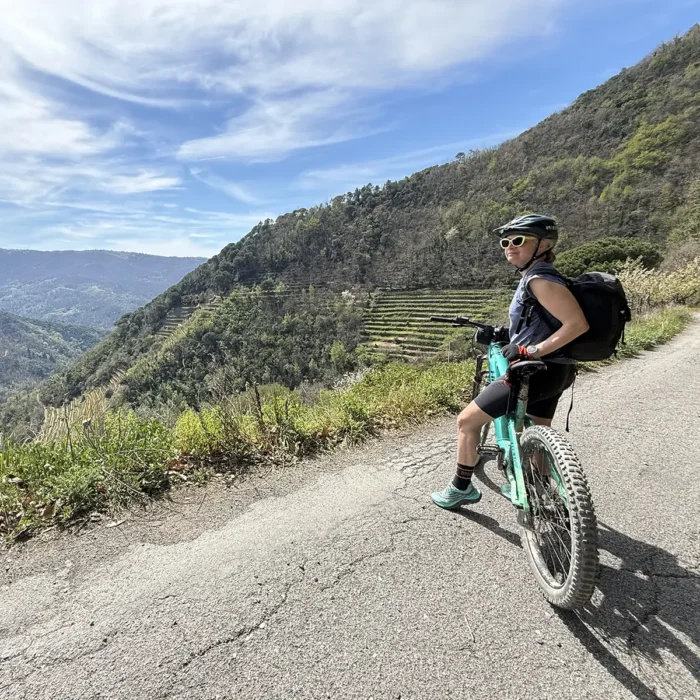
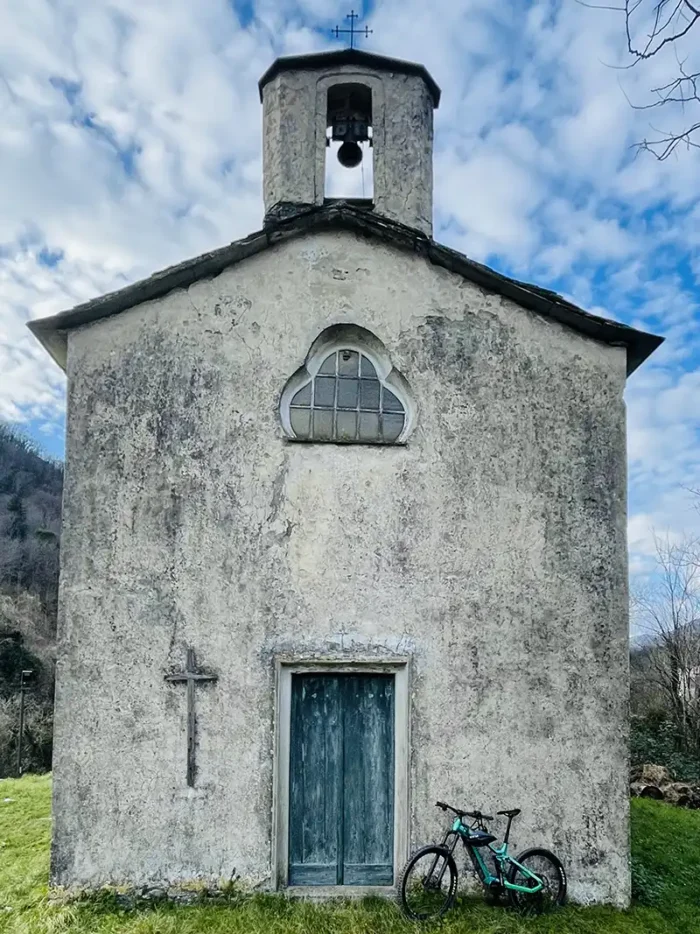
Trekking and cycling routes that may interest you
Itineraries of different durations and suitable for every taste and level of preparation, to discover the most beautiful and evocative places and panoramas of the Ligurian Tigullio.



Local experiences that might interest you
Let yourself be guided and be surprised by the hidden treasures that the Ligurian Tigullio area is capable of offering you in every season.

Sport
Hiking routes, climbing, mountain biking and much more… Choose the sport in contact with nature that’s right for you!

Culture
Shows, Theatre, Music, Food and Wine, Reading… Experience the cultural and artistic proposals, immersed in the Ligurian landscape.

Nature
Geology, bird watching, nature engineering and other initiatives, to cultivate awareness and responsibility for environmental issues.
More heritage that may interest you
Catalog of the tangible and intangible heritage, a precious resource of the Tigullio for community building and local development.



Join us!
Contribute to preserve the history and traditions of the Ligurian Tigullio area, and keep them alive for future generations.