

The Casali di Stibiveri: Heart of Feudal Power
The Rural Architecture Complex of the Casali di Stibiveri, located in the Borzonasca area, was one of the main centers of feudal power for the Della Cella family, a local noble family that adopted this surname after acquiring the Villa Cella village in the 14th century. Originally known as De Meleto, they played a key role in 1251 in an important exchange with the Malaspina family, redefining feudal rights over the Val d’Aveto. Under the Fieschi and Doria families, the Della Cella maintained a semi-autonomous small state between Rezzoaglio, Cabanne, and the Casali, ensuring control over tolls and trade routes for centuries.
Strategic Location and Road Control
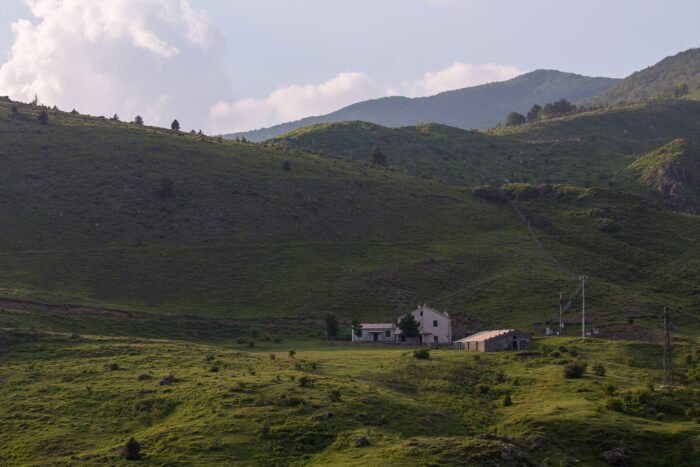
The Stibiveri settlement is situated above Malanotte, an ancient road junction where a bridge, a customs post, a mill, and likely a fortified structure—suggested by the toponym “Case Castello”—once stood. From here, the main route ran up the valley from Borzonasca to the Bozale Pass and descended to Cabanne, home to another Della Cella fortified residence still standing today. This location allowed the family to control trade flows and tolls, consolidating their prestige in the area.
A Rural Village with Noble Features
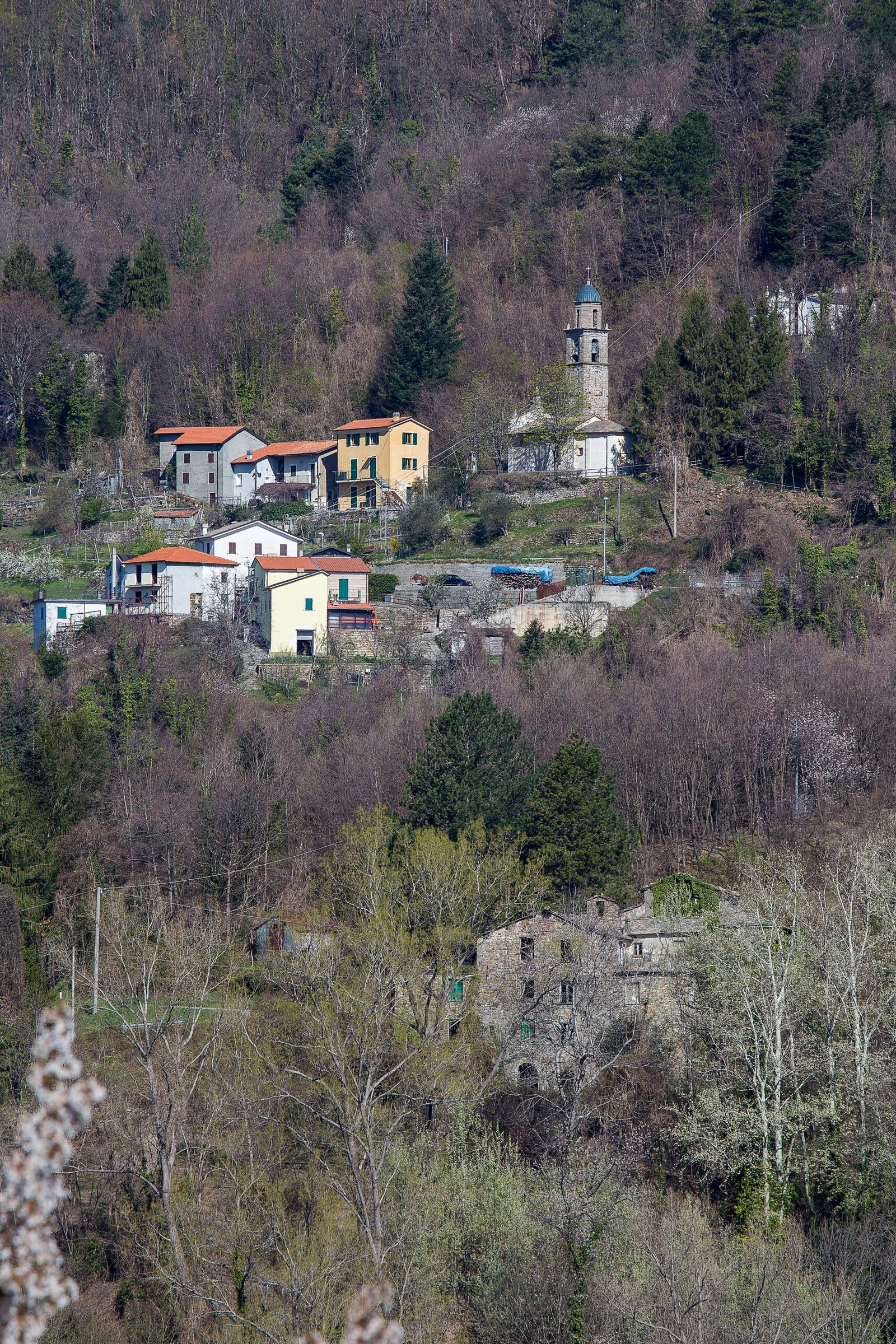
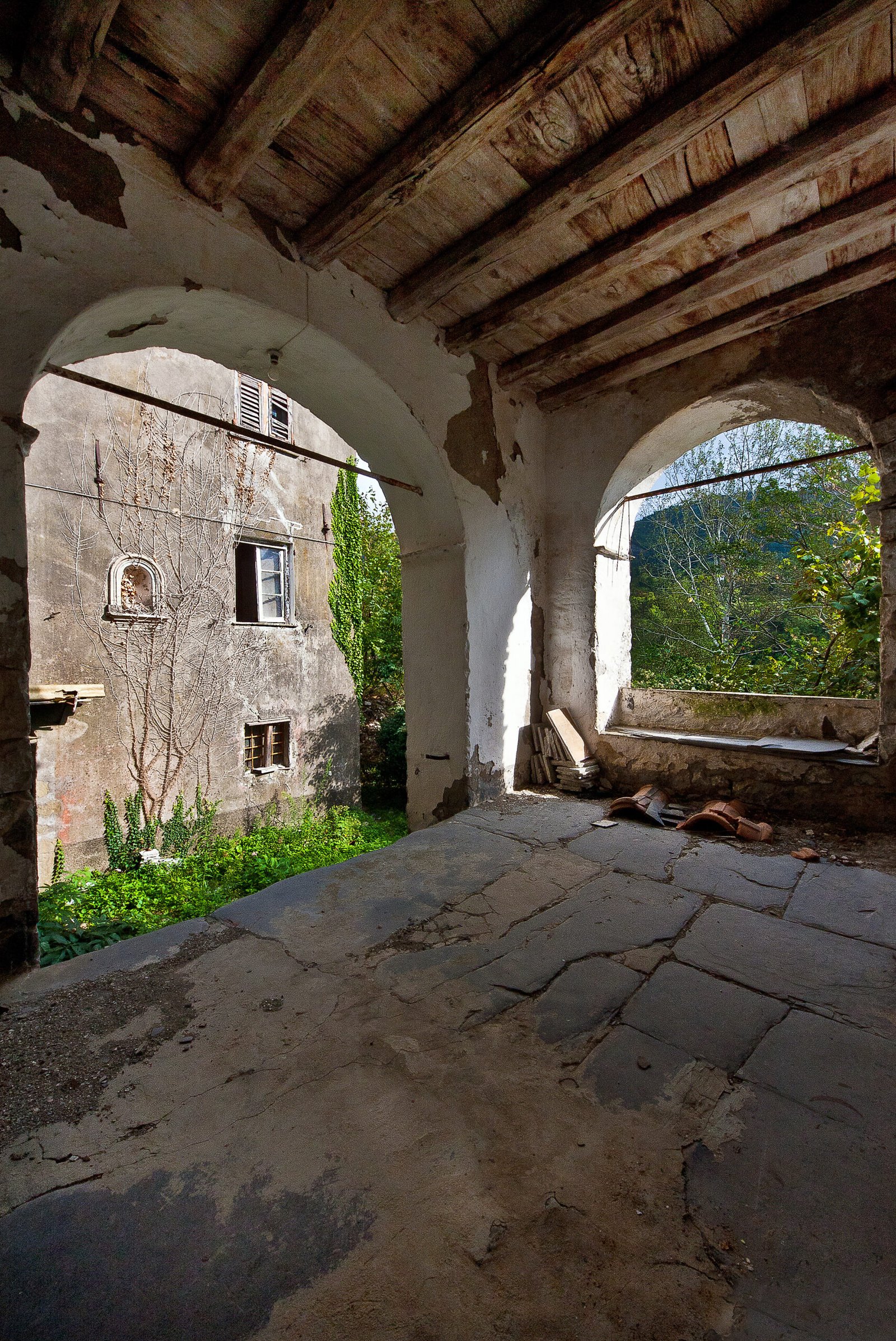
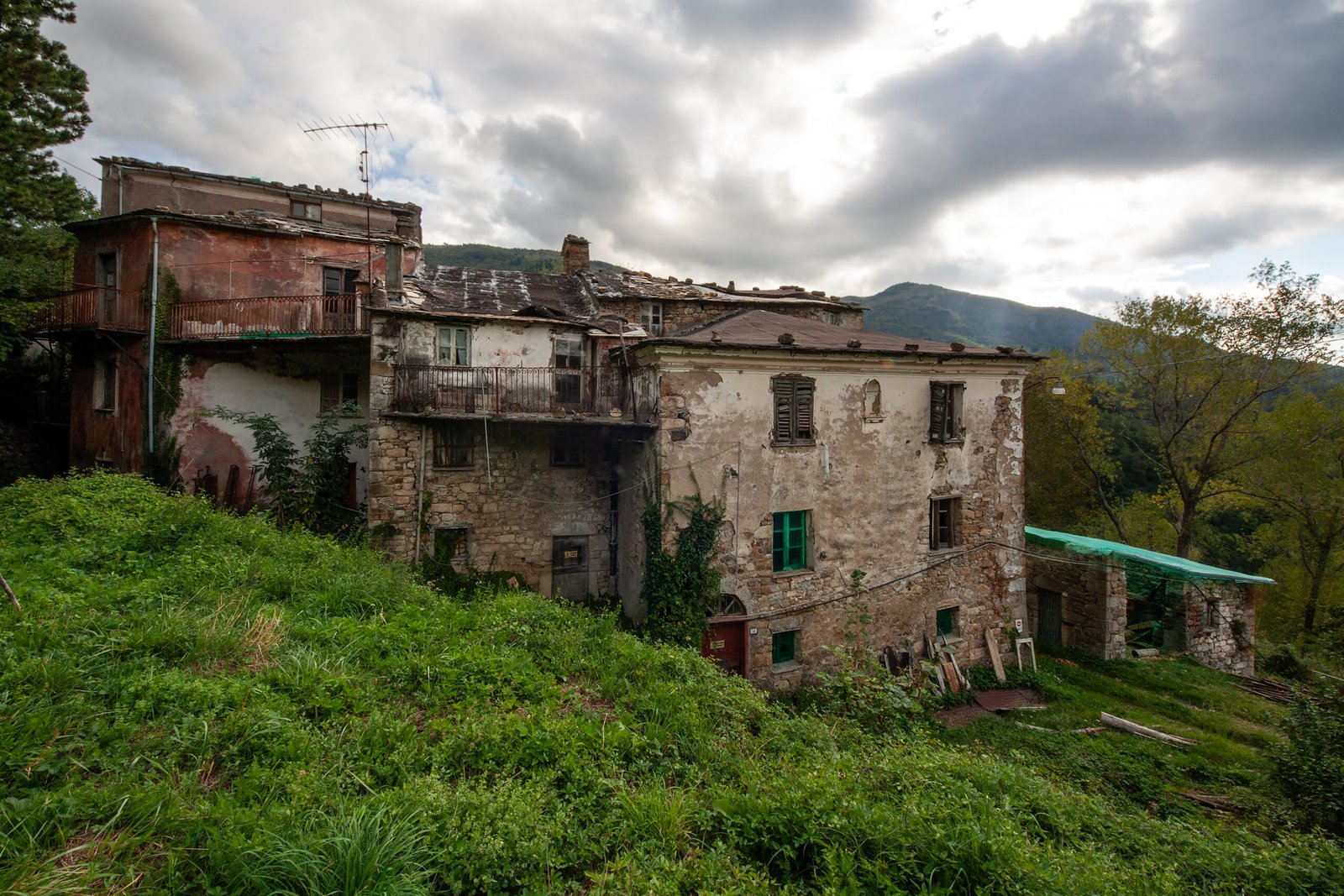
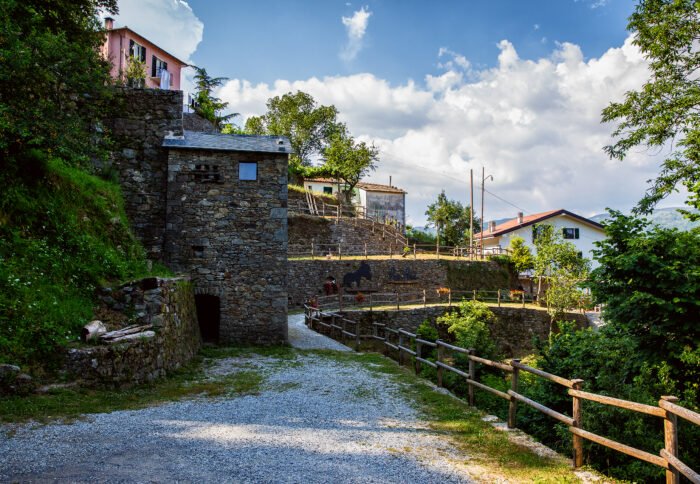
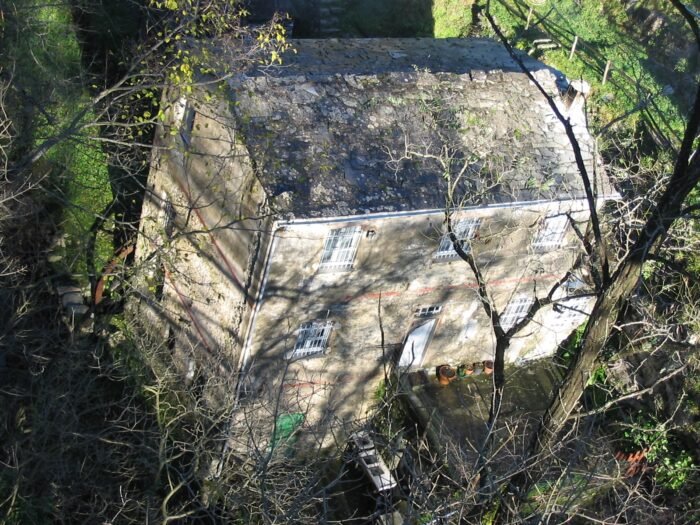
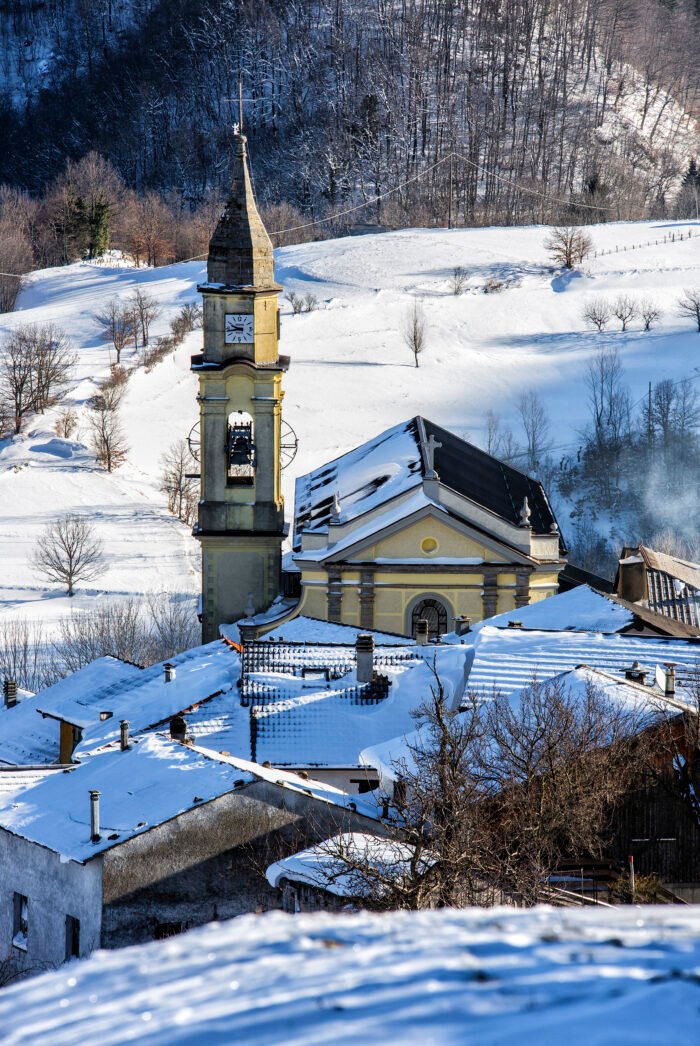
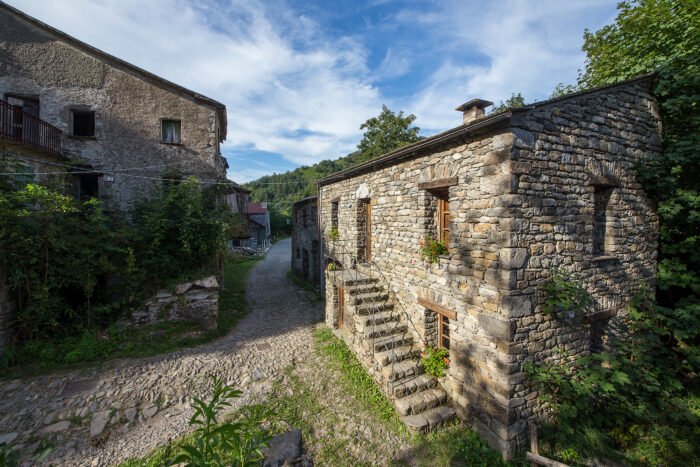
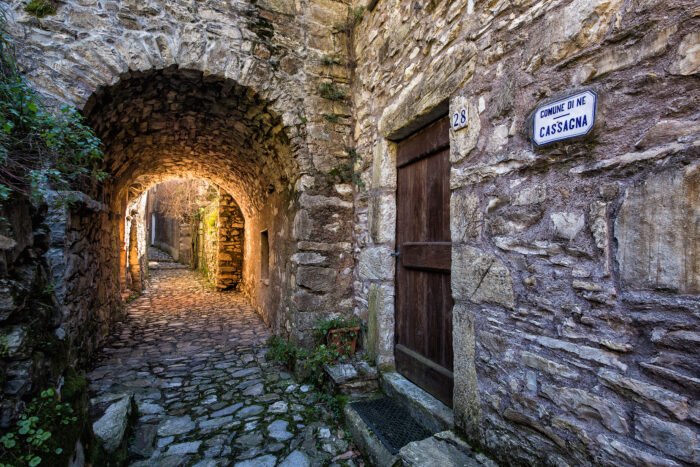
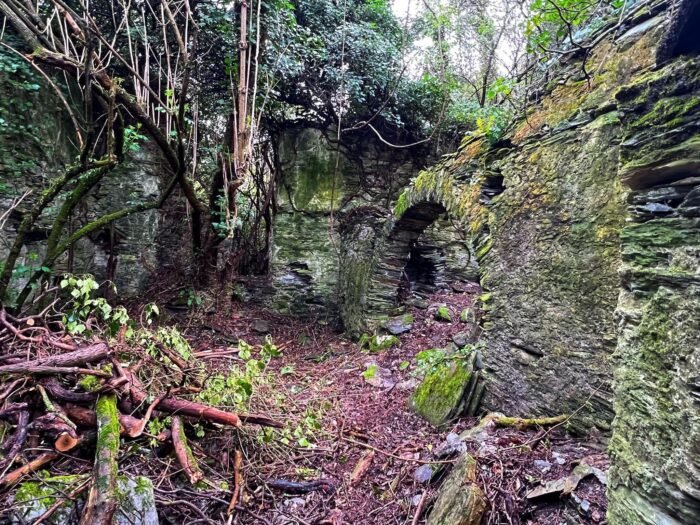
The complex develops as a village composed of six building blocks, with a central core dating to the 17th century, later expanded with side wings and rear structures up to the newest section built in 1877. While maintaining agricultural functions—stables and warehouses on the ground floor and living quarters above—the complex shows a unique noble character for the region. Notable features include a loggia with a full-arch, a small bell tower, rare squared stone portals, and a private chapel dedicated to N.S. di Caravaggio.
Symbolic Details and Historical Functions
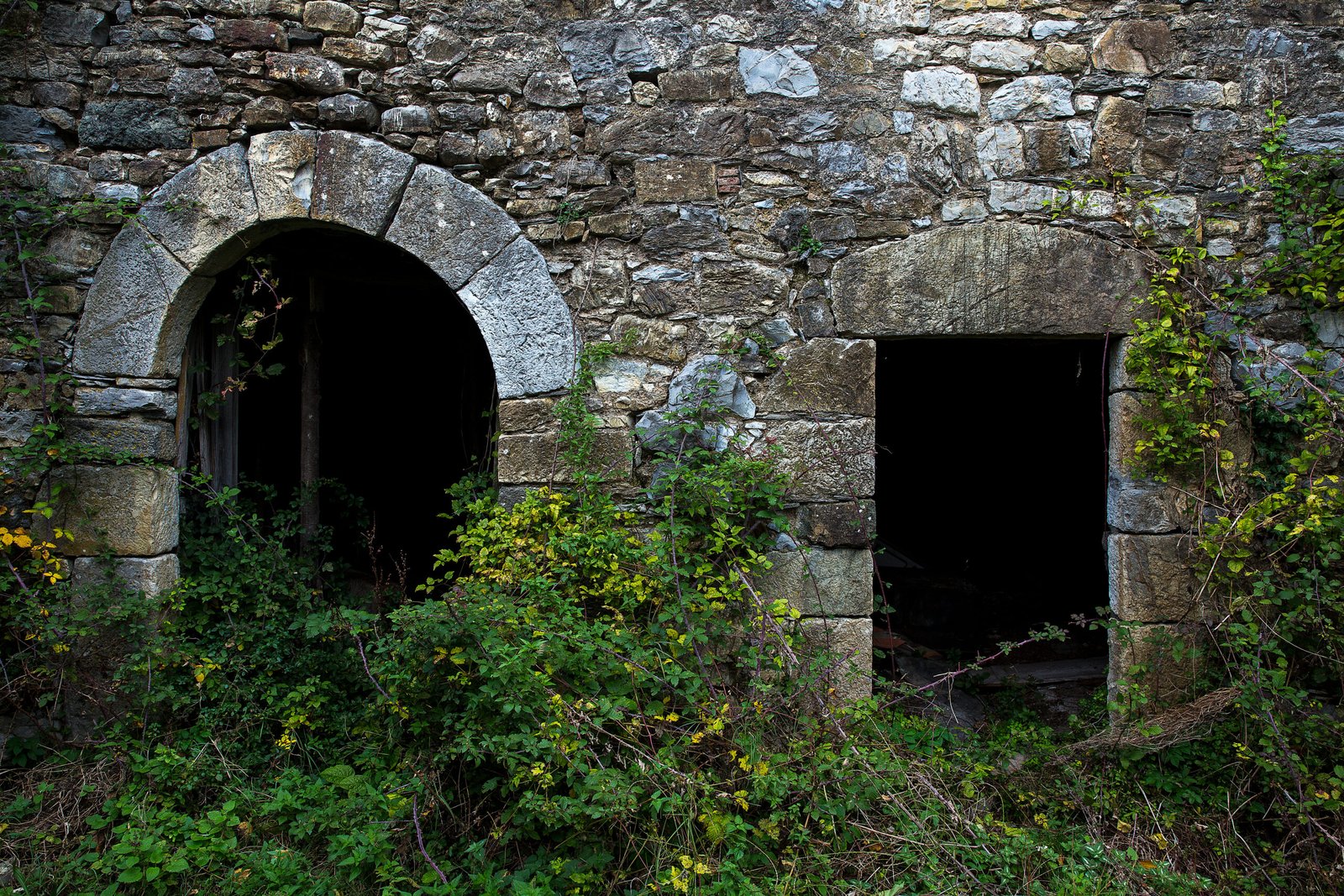
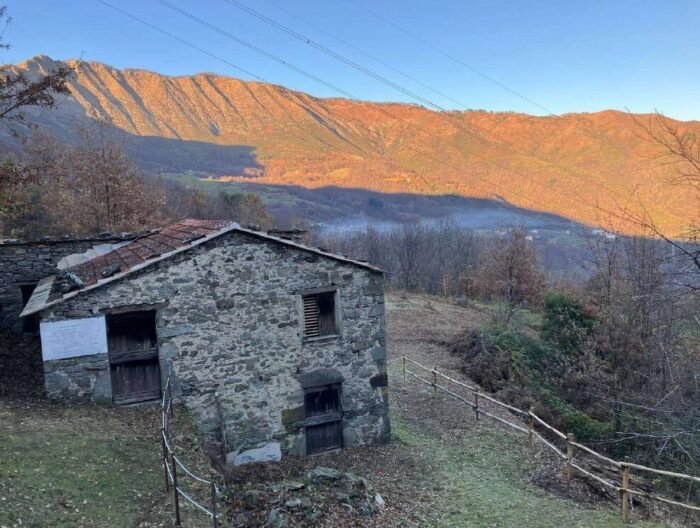
Among the intriguing and symbolic details are the stork-shaped iron rods, used both for drying food and as protective symbols. The southeast wing housed a jail cell, as the building served as a branch of the Chiavari court from the late 18th century throughout the 19th century. The exterior walls, with carefully worked stone corners and bastion-like slopes on the southern front, support roofs of irregular stone slabs, following traditional Ligurian architectural styles.
Stibiveri Today: Memory and Rural Architecture
The Casali di Stibiveri tell a story of power, economy, and rural life between Val d’Aveto and the Ligurian Apennines. Every portal, loggia, and symbolic detail reflects the historical layers of a village that combined agricultural and noble functions, offering a unique window into Liguria’s feudal and rural world.
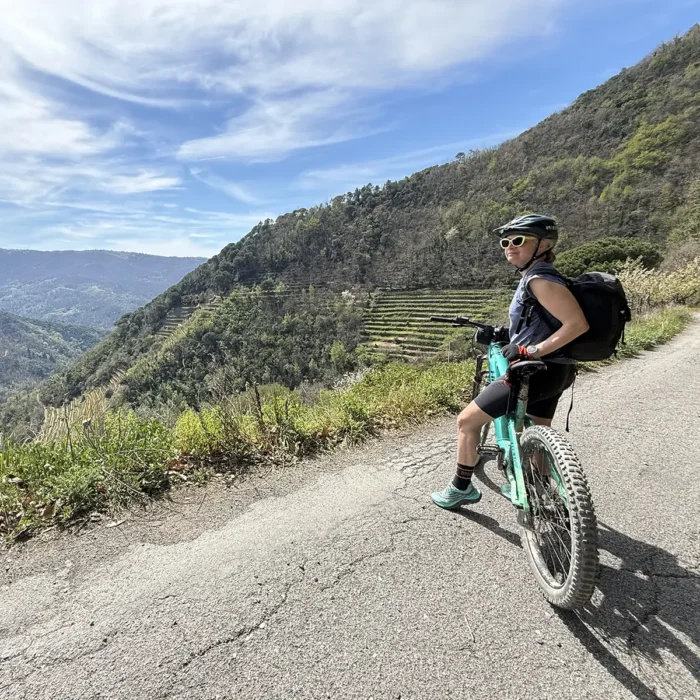
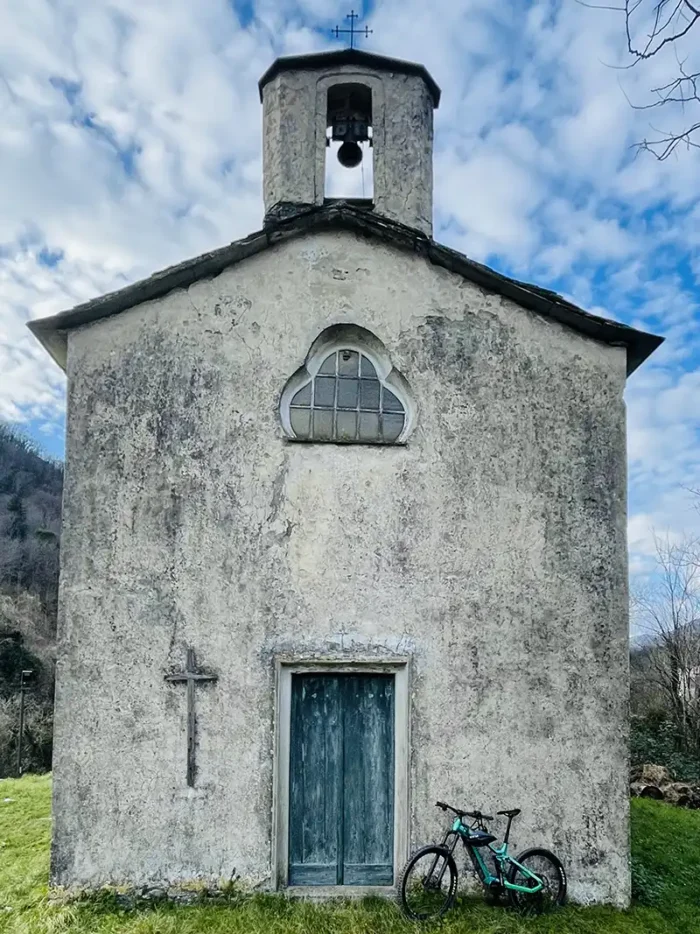
Trekking and cycling routes that may interest you
Itineraries of different durations and suitable for every taste and level of preparation, to discover the most beautiful and evocative places and panoramas of the Ligurian Tigullio.



Local experiences that might interest you
Let yourself be guided and be surprised by the hidden treasures that the Ligurian Tigullio area is capable of offering you in every season.
Sport
Hiking routes, climbing, mountain biking and much more… Choose the sport in contact with nature that’s right for you!

Culture
Shows, Theatre, Music, Food and Wine, Reading… Experience the cultural and artistic proposals, immersed in the Ligurian landscape.

Nature
Geology, bird watching, nature engineering and other initiatives, to cultivate awareness and responsibility for environmental issues.
More heritage that may interest you
Catalog of the tangible and intangible heritage, a precious resource of the Tigullio for community building and local development.


Join us!
Preserve the history and traditions of the Ligurian Tigullio area and keep them alive for future generations.