

Perlezzi Mountain Hut
Alpine Grazing Before Modernization
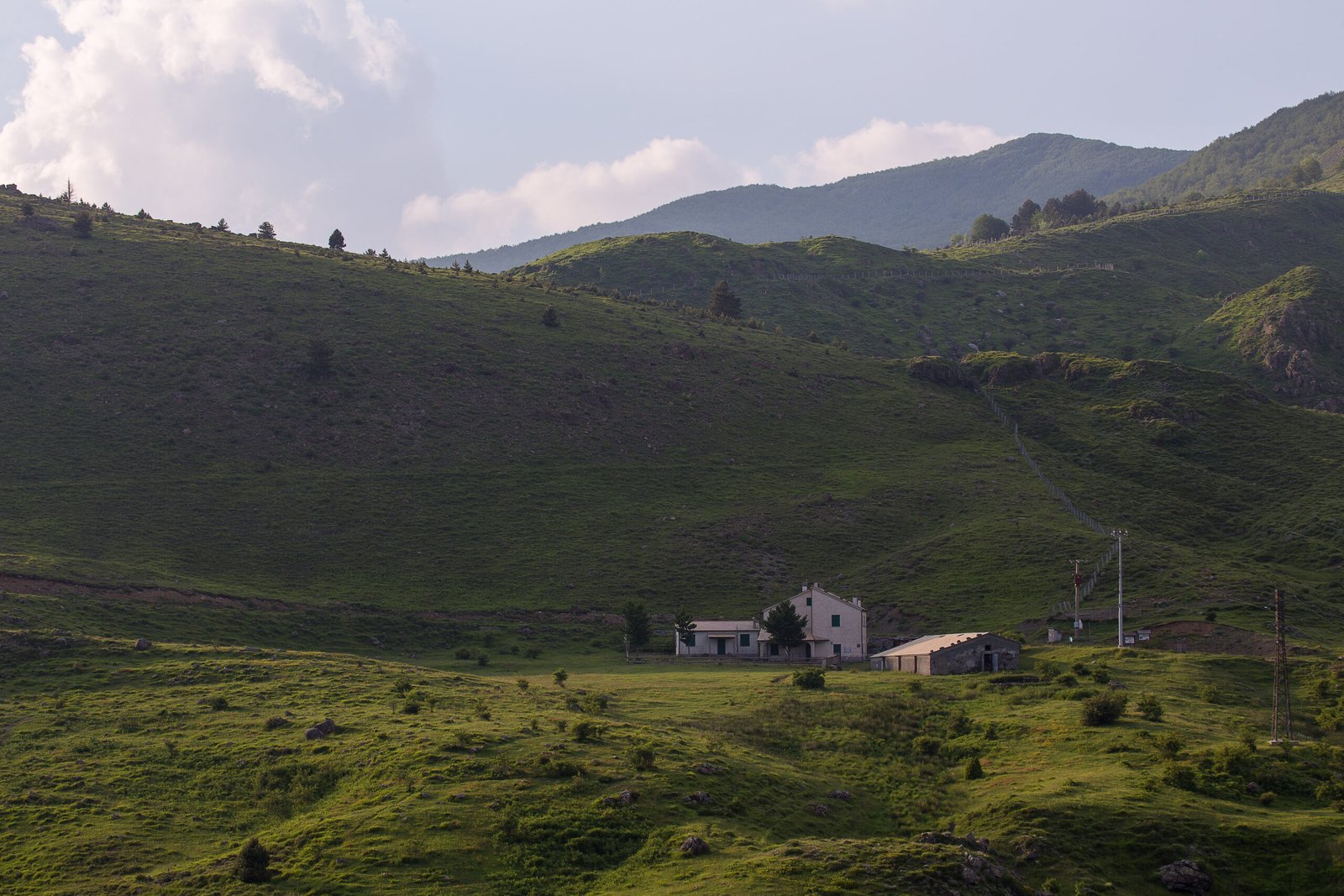
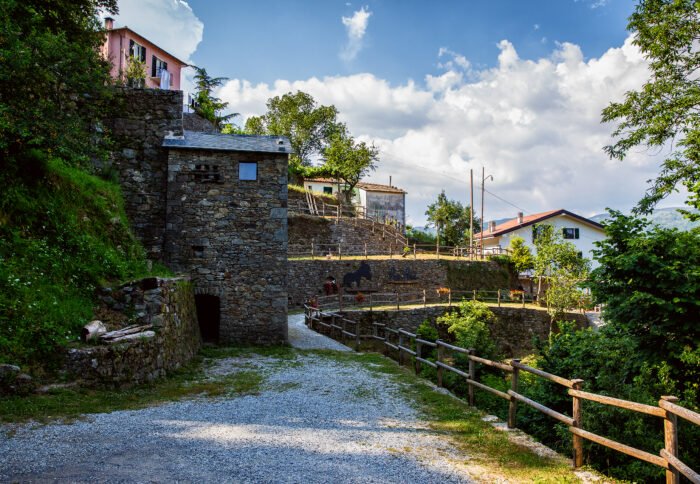
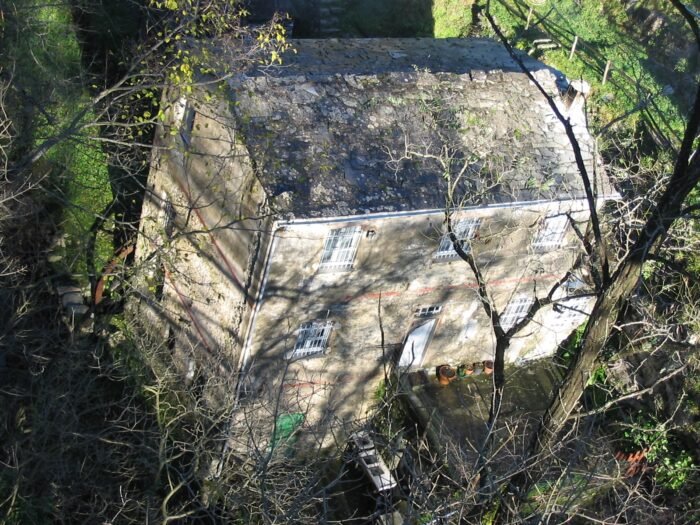
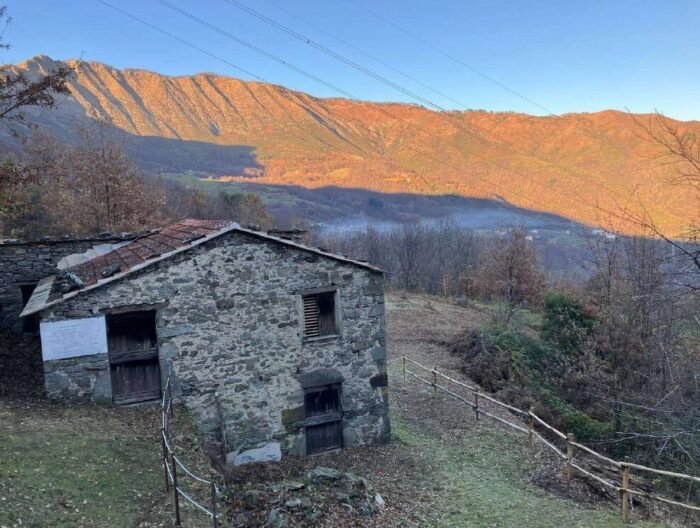
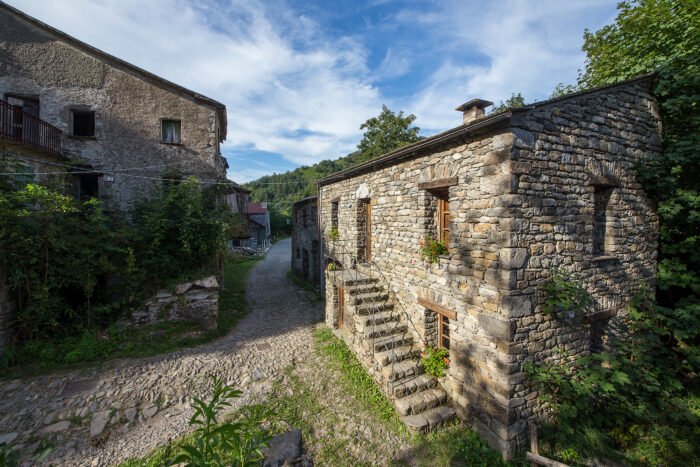
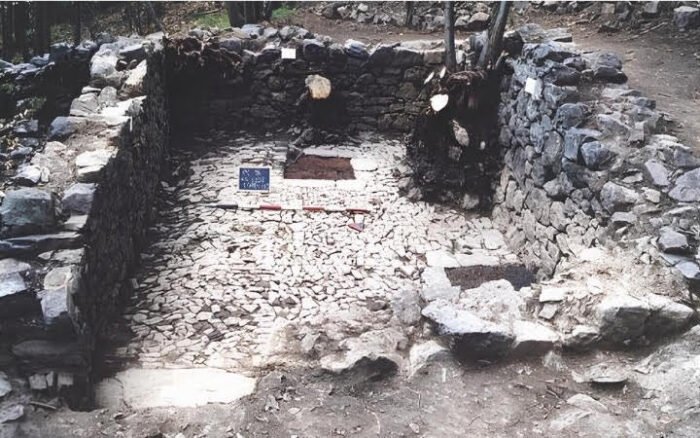
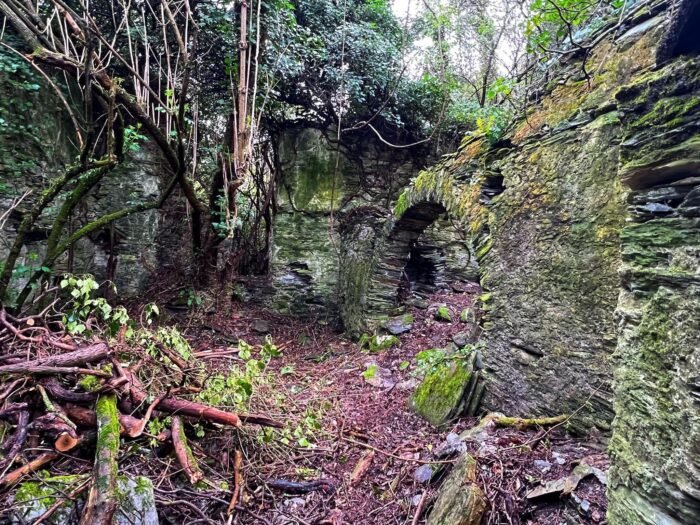
The history of the Malga di Perlezzi documents the transition between traditional alpine grazing practices and livestock modernization in the post–World War II Ligurian Apennines. Before the interventions of the 1950s, herd management during transhumance (April/May–September) took place in the casoni, dry-stone structures documented since the 16th century in Eastern Liguria. These were built on terraced land at the margins of common lands and served as bases for shepherds who, in rotation, watched over the animals during the day and ensured their shelter at night.
Milk Transport and Cooperative Cheesemaking
Milk was carried on the shoulders along mule tracks using the bazero, a curved wooden stick from which galvanized metal buckets (stagnun) were hung. Production was pooled for cooperative cheesemaking and recorded using the crenaà, a measurement system based on notches carved into small wooden sticks.
The 1949 Project and UNRRA Funding
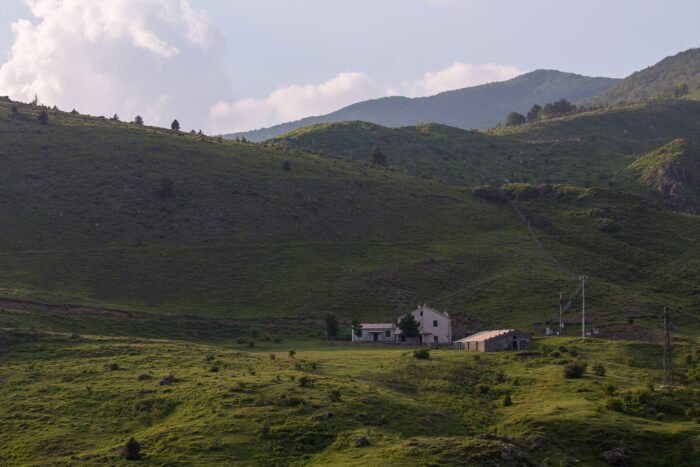
In 1949, access to subsidies from the International Relief Administration (A.A.I.), through the UNRRA fund managed by the Ministry of Agriculture and Forestry, made it possible to launch a mountain pasture improvement project. The malga was built on land owned by the Fractional Assets of Perlezzi (locality Moglia Negraia). The technical project was overseen by the National Secretariat for Mountain Affairs, while the execution relied on the commitment of the heads of households in the hamlet, who contributed thousands of hours of voluntary labor to clear the slopes and build the stables using lime produced in the local kilns of Vagge.
The 1951 Inauguration and Work Organization
Inaugurated in 1951, the malga operated under regulations aimed at maximizing production. Shepherd rotations were calculated according to the number of cattle owned by each family: the more livestock one possessed, the more days of duty were required. The first milking took place at four in the morning; the milk was then carried down to the valley by porters, who transported loads of up to 120 kg on their backs, destined for direct sale and for the production of cheese and butter. In the valley, the product was delivered to the milkman in Prato Sopralacroce, ensuring a commercial outlet for mountain production.
Cableway, Rural Road, and Agritourism Conversion
This demanding system was eventually overcome with the construction of the cableway (1953) and the rural access road (1970). Between the 1990s and the 2000s, thanks to regional and European funding (P.I.M. and Objective 5B), the structure was upgraded with agri-environmental measures and converted into an agritourism outpost within the Aveto Park.
Fonti
Maggi R. (a cura di), Preistoria nella Liguria Orientale, 1983
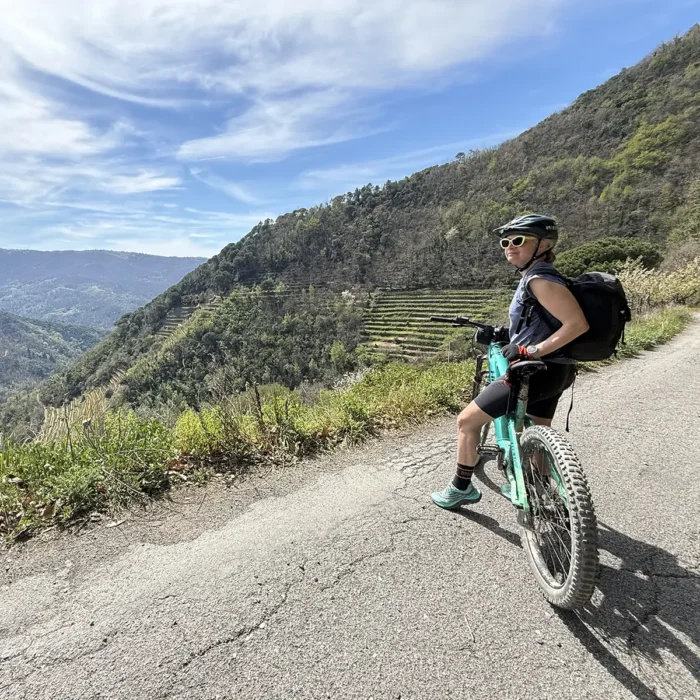
Trekking and cycling routes that may interest you
Itineraries of different durations and suitable for every taste and level of preparation, to discover the most beautiful and evocative places and panoramas of the Ligurian Tigullio.

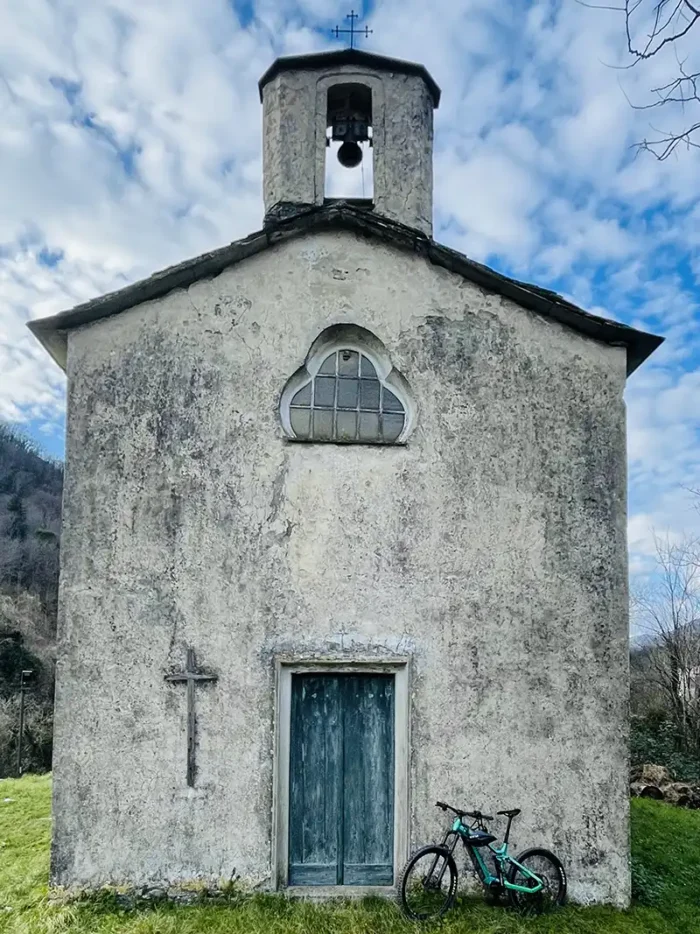


Local experiences that might interest you
Let yourself be guided and be surprised by the hidden treasures that the Ligurian Tigullio area is capable of offering you in every season.
Sport
Hiking routes, climbing, mountain biking and much more… Choose the sport in contact with nature that’s right for you!

Culture
Shows, Theatre, Music, Food and Wine, Reading… Experience the cultural and artistic proposals, immersed in the Ligurian landscape.

Nature
Geology, bird watching, nature engineering and other initiatives, to cultivate awareness and responsibility for environmental issues.
More heritage that may interest you
Catalog of the tangible and intangible heritage, a precious resource of the Tigullio for community building and local development.


Join us!
Preserve the history and traditions of the Ligurian Tigullio area and keep them alive for future generations.