

Historic Centre of Amborzasco and Church of the Holy Guardian Angels
Amborzasco: A Village Between History and Mountain
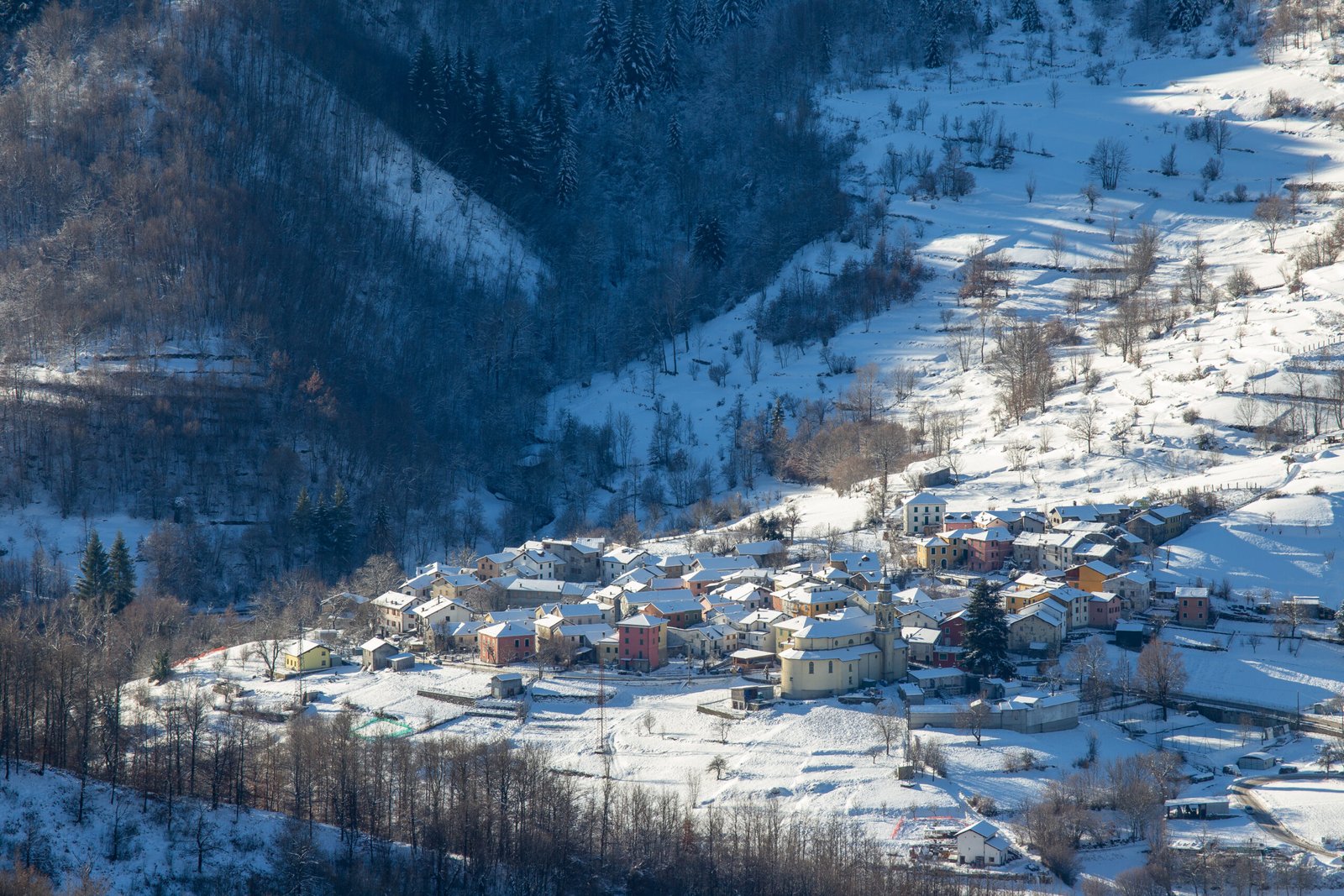
Amborzasco is one of the best-preserved examples of a compact rural settlement in the Aveto area. Located in the municipality of Santo Stefano d’Aveto, the village reflects a layered history that illustrates the complex relationship between the Apennine populations and Monte Penna, a peak traditionally associated with mountain worship. The etymology of the toponym seems to derive from the Celtic word “”Ambros”” (man), found in the local dialect as “ambrosasco,” suggesting cultural continuity with the ancient Ambroni people and use of the site since protohistoric times.
A Strategic and Commercial Hub
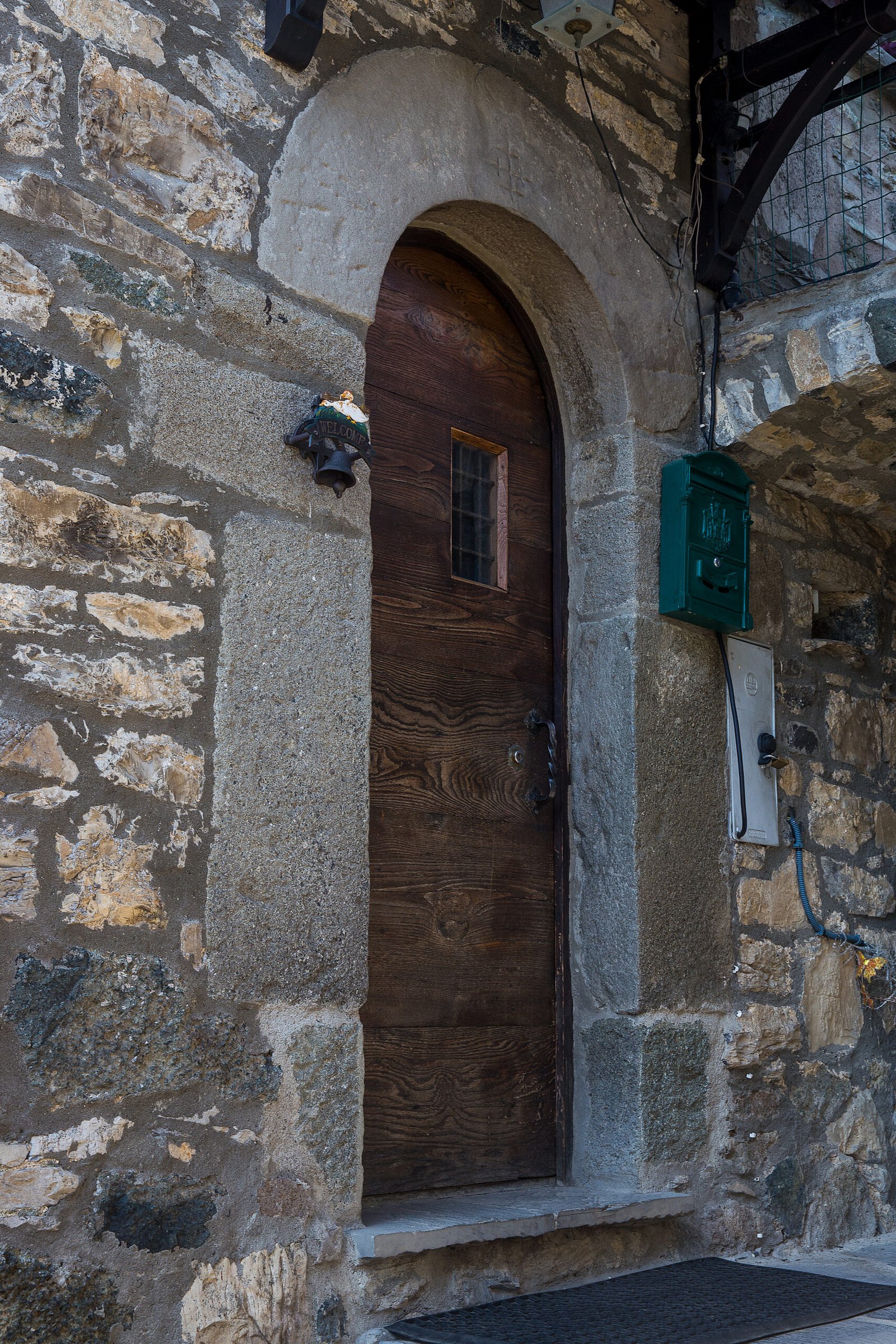
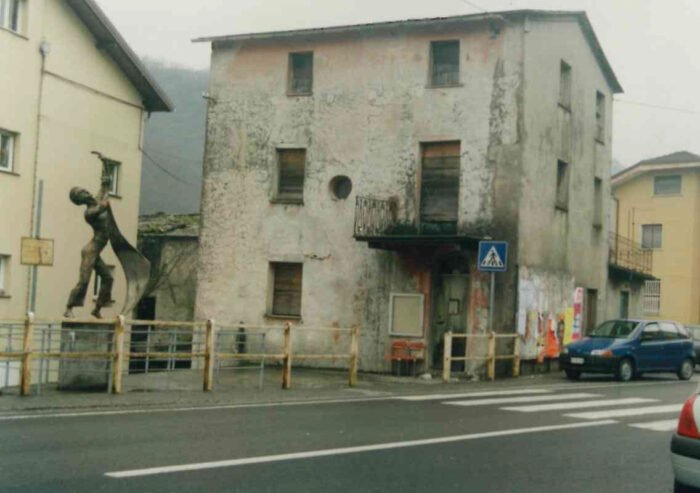
Since the 14th century, Amborzasco was documented as a control point along trans-Apennine trade routes. Its location was strategic for regulating traffic through the Chiodo and Incisa passes, linking Lunigiana to the Aveto basin while intercepting caravans coming from the upper Sturla Valley via Monte Aiona. This supervisory function is reflected in the village’s architecture: in the lower part, a tower house and the customs building, owned by the Raggi family, feature an arched portal with cruciform engravings.
Frontier Architecture and Road Control
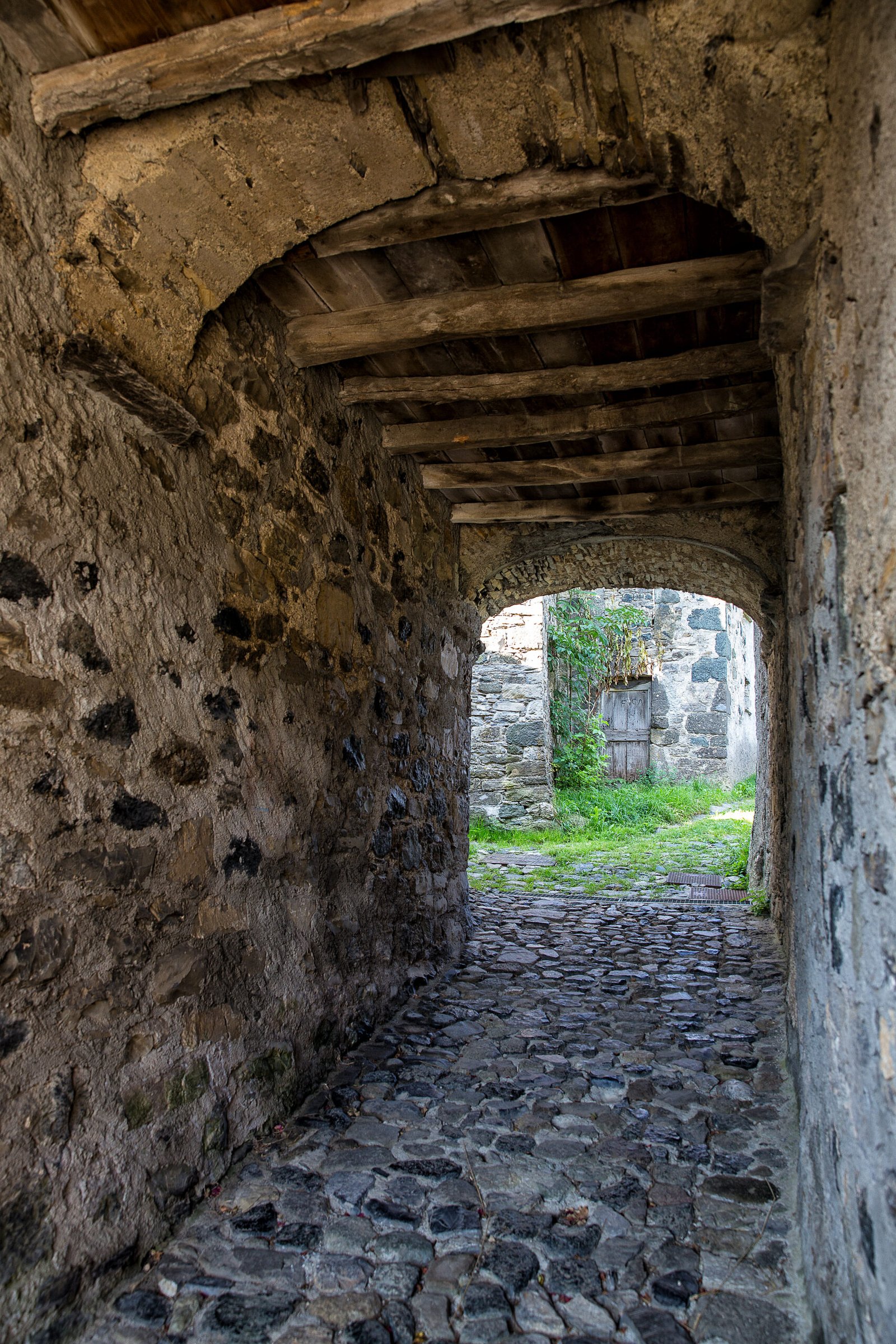
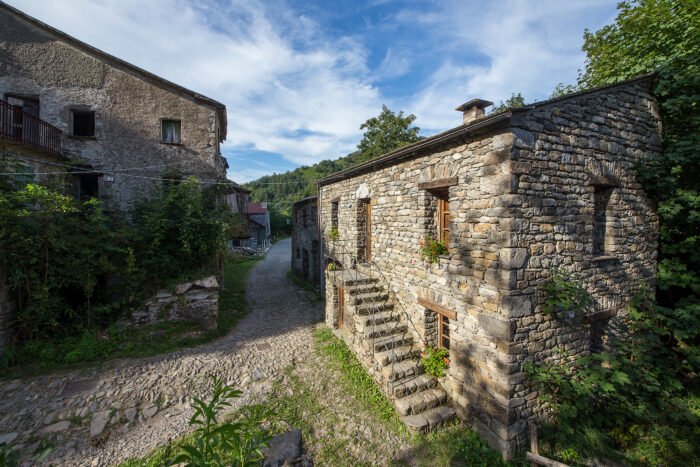
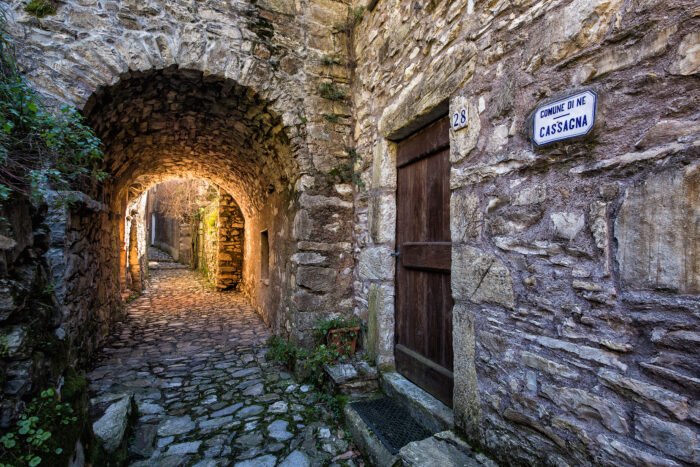
At the village entrance, several structures display battered foundations, splayed windows, and loopholes, typical features of frontier architecture designed to protect goods and people from banditry. Along the historic mule track leading to Aiona, the vaulted passage of Ca’ da Gràttura acted as a traffic “filter,” forcing passage through a controlled gateway and facilitating the management of tolls and village security.
Rural Architecture and Monumental Heritage
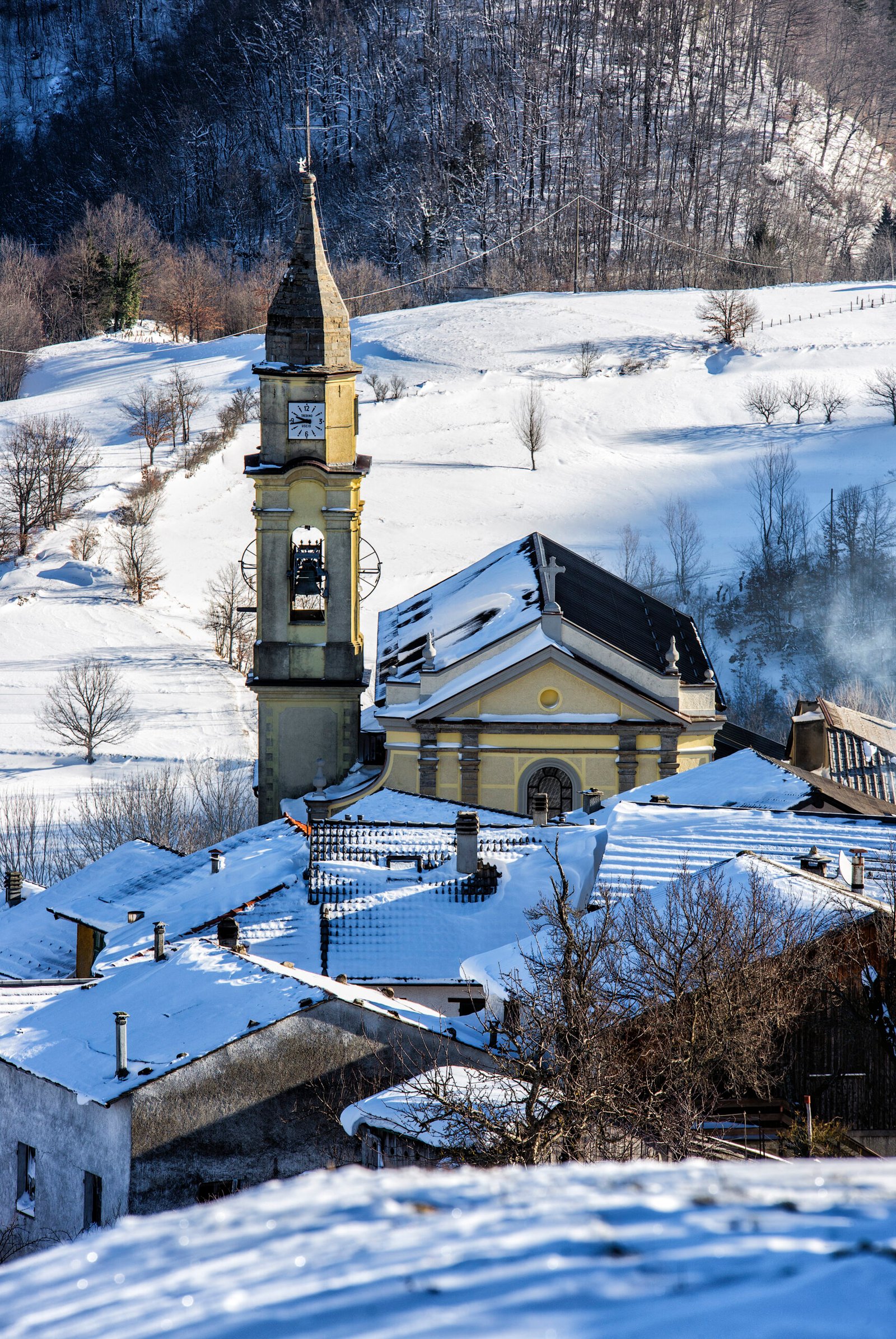
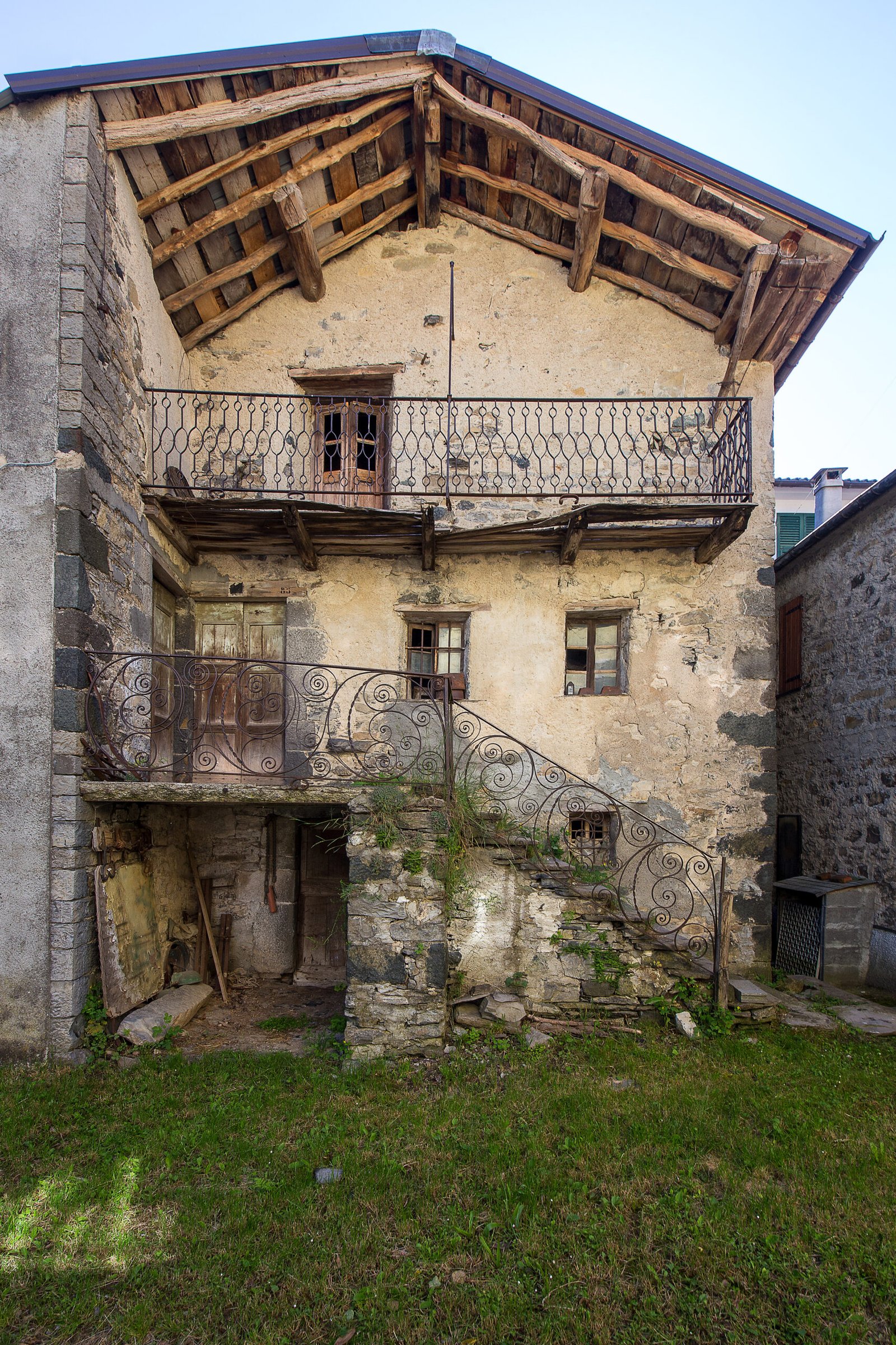
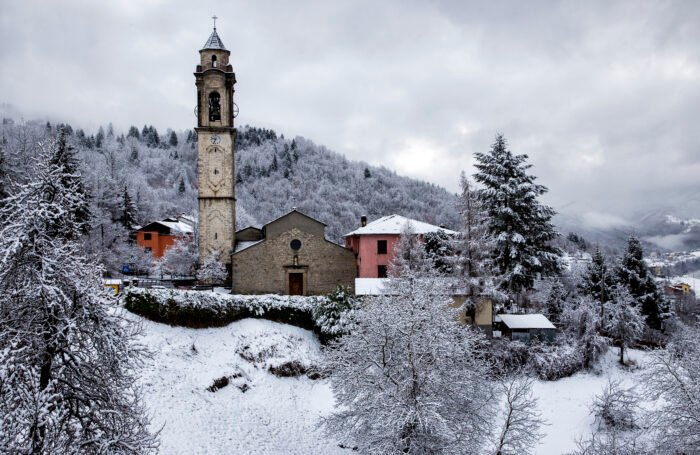
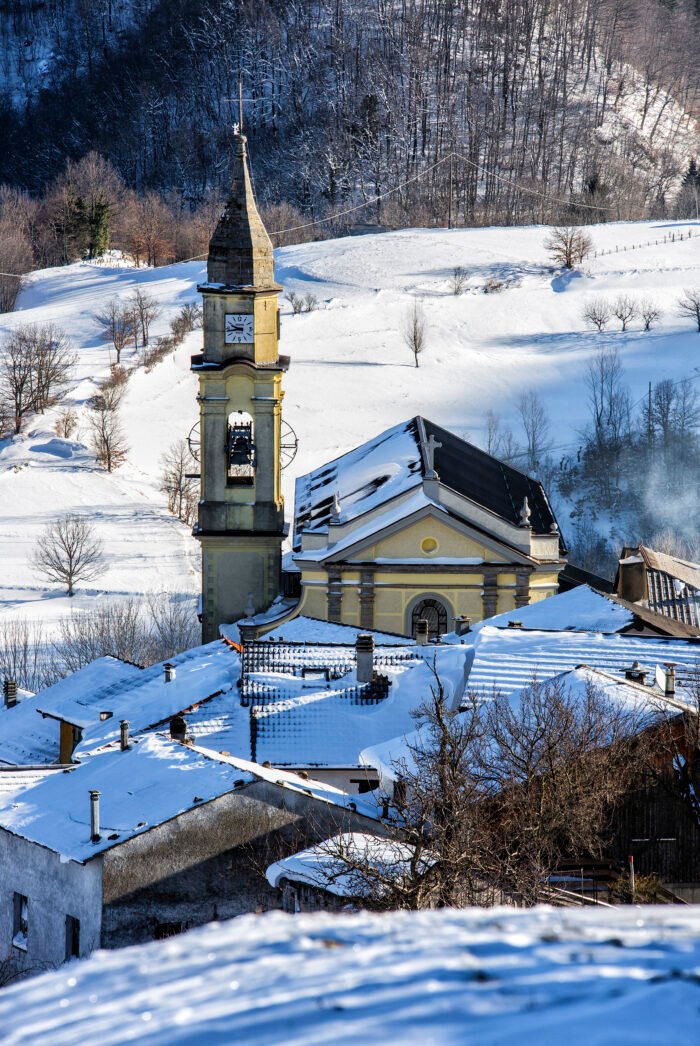
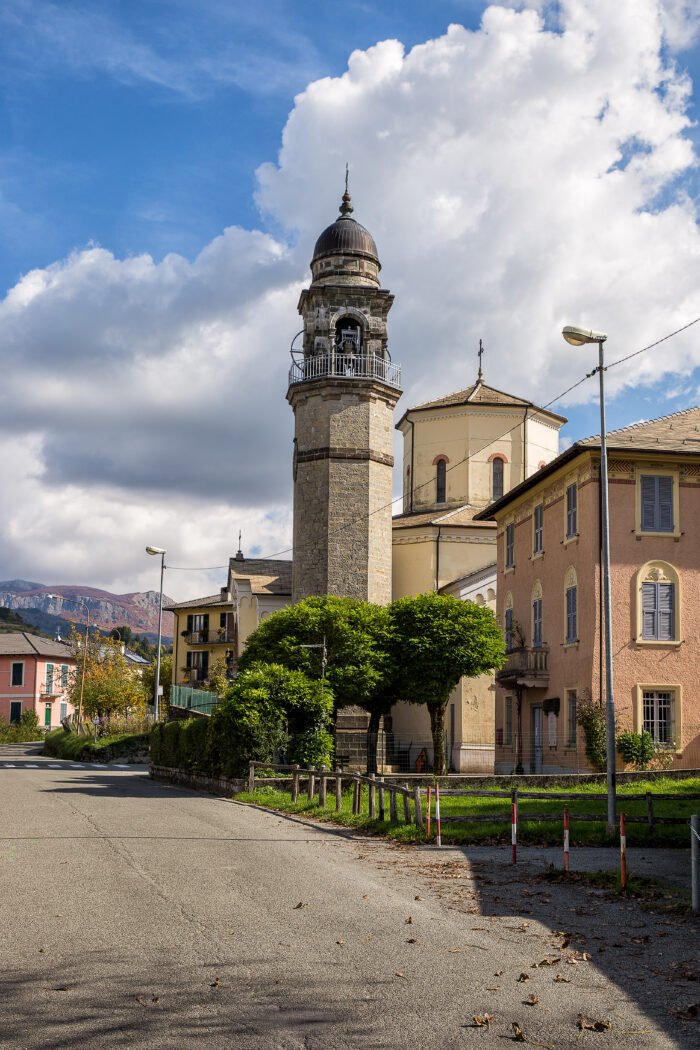
The rural buildings preserve significant functional elements, such as balchi (wooden balconies) for drying crops and stone architraves engraved with Christian monograms and dates. Closing the village’s monumental sequence is the parish church of the Holy Guardian Angels, dating from the 18th century, which bears witness to the community’s enduring spiritual life.
Amborzasco: A Living, Functional Village
Amborzasco is not merely a preserved village, but a settlement system where building morphology was shaped by road regulation and the management of trade between the Ligurian coast and the Po Valley. Every structure tells a story of defense, commerce, and rural life, making the village a unique example of Apennine architecture and territorial organization.
Trekking and cycling routes that may interest you
Itineraries of different durations and suitable for every taste and level of preparation, to discover the most beautiful and evocative places and panoramas of the Ligurian Tigullio.



Local experiences that might interest you
Let yourself be guided and be surprised by the hidden treasures that the Ligurian Tigullio area is capable of offering you in every season.
Sport
Hiking routes, climbing, mountain biking and much more… Choose the sport in contact with nature that’s right for you!

Culture
Shows, Theatre, Music, Food and Wine, Reading… Experience the cultural and artistic proposals, immersed in the Ligurian landscape.

Nature
Geology, bird watching, nature engineering and other initiatives, to cultivate awareness and responsibility for environmental issues.
More heritage that may interest you
Catalog of the tangible and intangible heritage, a precious resource of the Tigullio for community building and local development.



Join us!
Preserve the history and traditions of the Ligurian Tigullio area and keep them alive for future generations.