

Parish Church of San Bartolomeo Apostolo and Rectory (Magnasco)
The Spiritual Origins of Magnasco
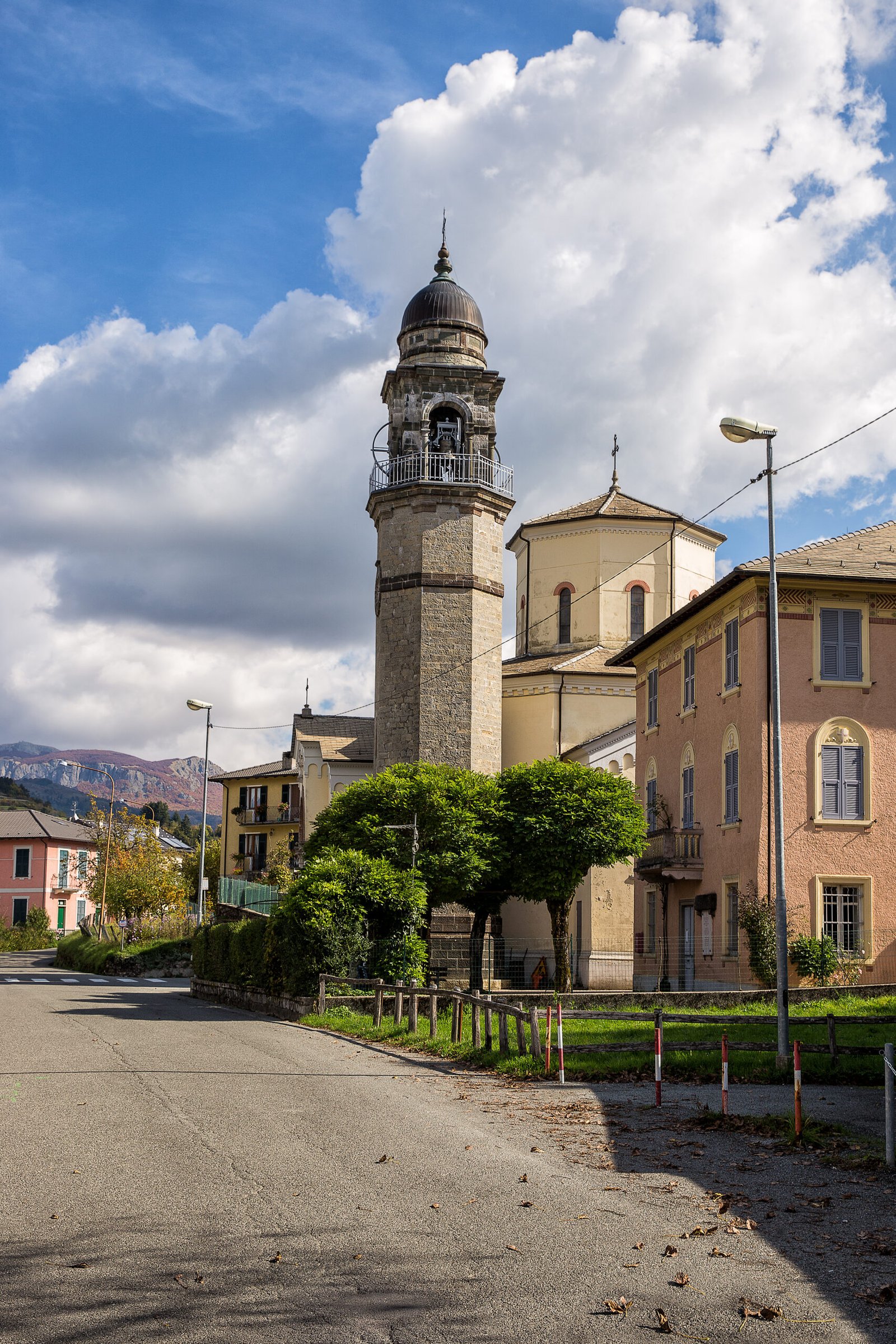
The history of the Parish of San Bartolomeo Apostolo in Magnasco dates back to the 13th century, when the spiritual life of the area revolved around the small church of Piano di San Bartolomeo in Lamis, near the present-day Lago delle Lame. This ancient oratory was a dependency of the Abbey of Villa Cella, managed by the monks of San Colombano from the monastery of San Pietro in Ciel d’Oro in Pavia. They offered refuge and assistance to travelers and transporters along the ridge routes, which were crucial for connections between the inland and the Ligurian Riviera.
The First Church in the Village
It was only in 1686 that fourteen families from Magnasco decided to build the first stone church in the village, replacing the old monastic oratory. For the construction, permission had to be obtained from the Bishop of Tortona, as the territory was under his diocesan jurisdiction at the time. From that original building, the architrave of the portal still survives, restored and blessed in 1984 during the parish centenary celebrations, located where the current rectory and the adjoining square now stand.
Architectural Renewal in the 20th Century
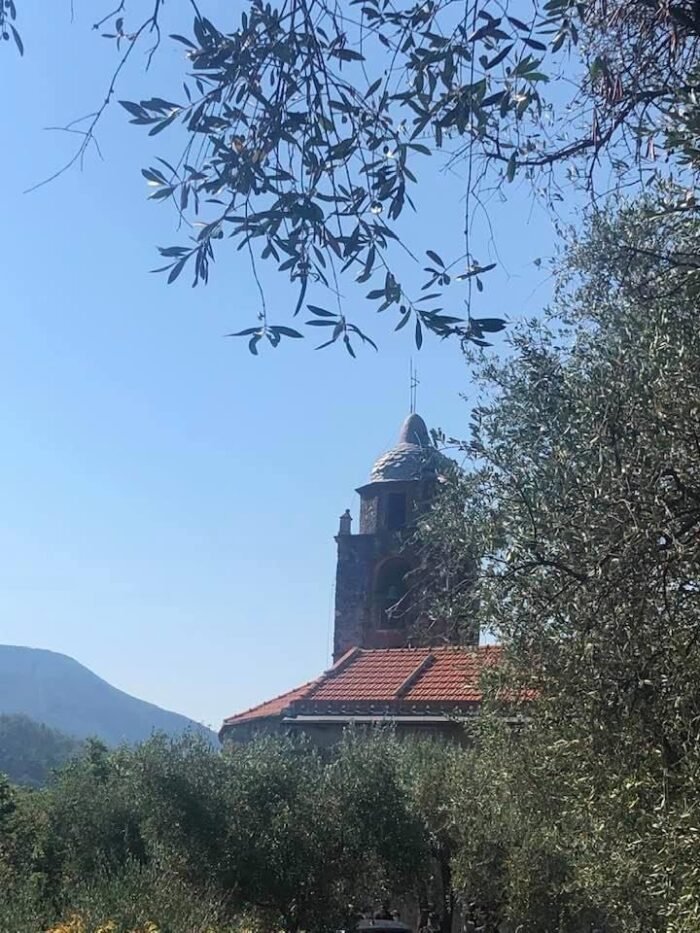
The current monumental layout of the parish is the result of an intensive period of architectural renewal in the 20th century. Between 1912 and 1914, the octagonal bell tower was constructed using local stone worked with a chisel, housing a set of five bells. Between 1925 and 1928, engineer Amedeo Calcaprina designed the new Greek-cross church, necessary to replace the deteriorated previous structures. Finally, in 1935, architect Italo Primi from Rapallo oversaw the construction of the new rectory, built on the site of the old oratory that had been demolished.
Artistic Heritage and Historical Testimonies
Inside, the church preserves precious artistic and historical testimonies of the local community’s prestige. Among these is the wooden statue of the Madonna della Neve, an 18th-century work attributed to the workshop of the renowned Genoese sculptor Anton Maria Maragliano, donated by the Doria family. Other notable items include a marble sculpture of Saint Bartholomew, predating the current church, and a plaque containing a brick from the Holy Door of Rome from the Jubilee of 1775.
Magnasco: Strategic Crossroads and Ecclesiastical Independence
Geographically, Magnasco was a strategic hub: the fastest route to Borzonasca and Chiavari passed through Monte della Croce and Giacopiane, essential for commerce and connections with the Riviera. The parish gained ecclesiastical independence on February 18, 1884, when it separated from the jurisdiction of Rezzoaglio under Bishop Monsignor Porrati, solidifying the spiritual identity of the local community.
Trekking and cycling routes that may interest you
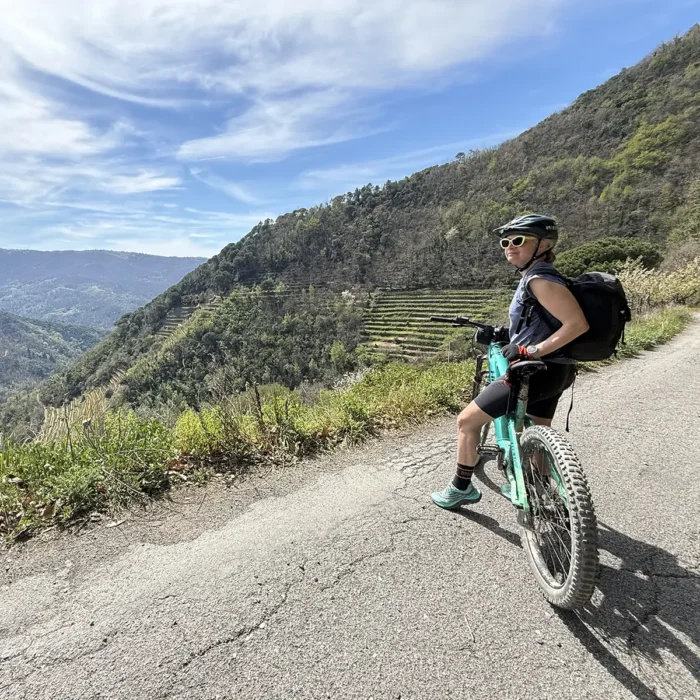
Itineraries of different durations and suitable for every taste and level of preparation, to discover the most beautiful and evocative places and panoramas of the Ligurian Tigullio.



Local experiences that might interest you
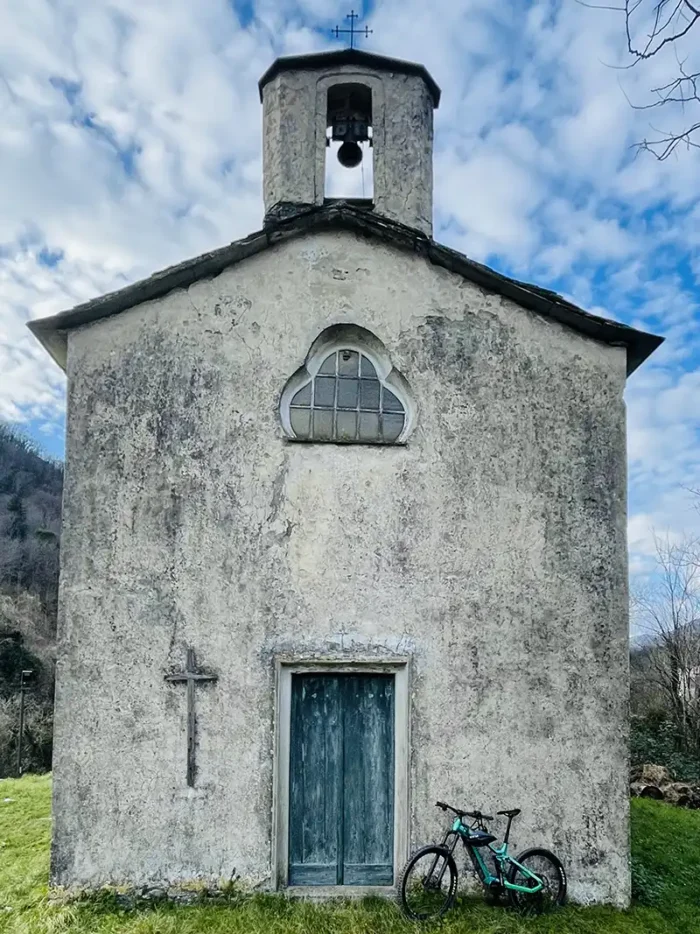
Let yourself be guided and be surprised by the hidden treasures that the Ligurian Tigullio area is capable of offering you in every season.
Sport
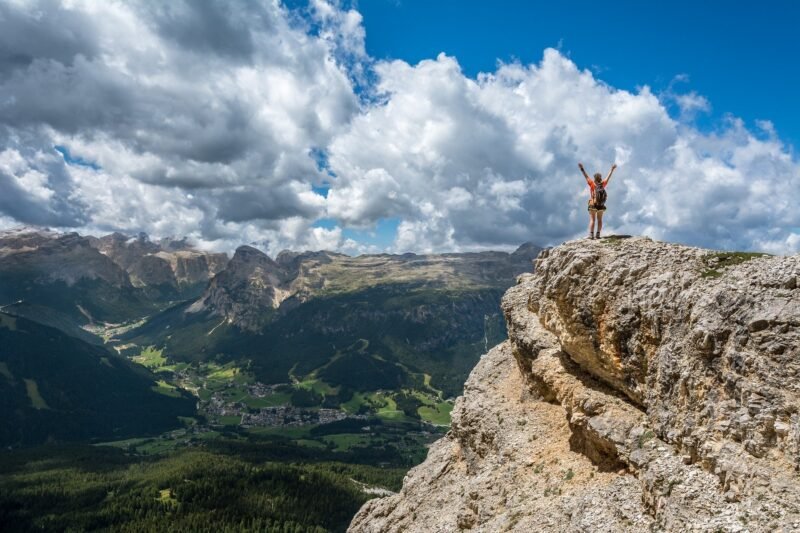
Hiking routes, climbing, mountain biking and much more… Choose the sport in contact with nature that’s right for you!

Culture
Shows, Theatre, Music, Food and Wine, Reading… Experience the cultural and artistic proposals, immersed in the Ligurian landscape.

Nature
Geology, bird watching, nature engineering and other initiatives, to cultivate awareness and responsibility for environmental issues.
More heritage that may interest you
Catalog of the tangible and intangible heritage, a precious resource of the Tigullio for community building and local development.



Join us!
Preserve the history and traditions of the Ligurian Tigullio area and keep them alive for future generations.