

Church of San Lorenzo in Moneglia
On the oldest hill of the village
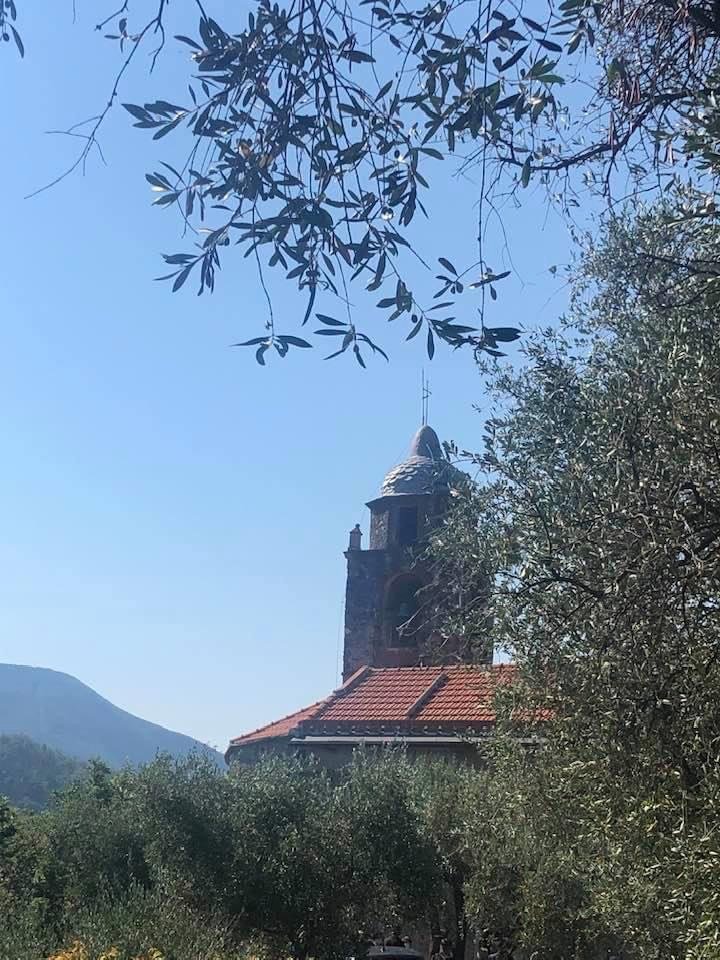
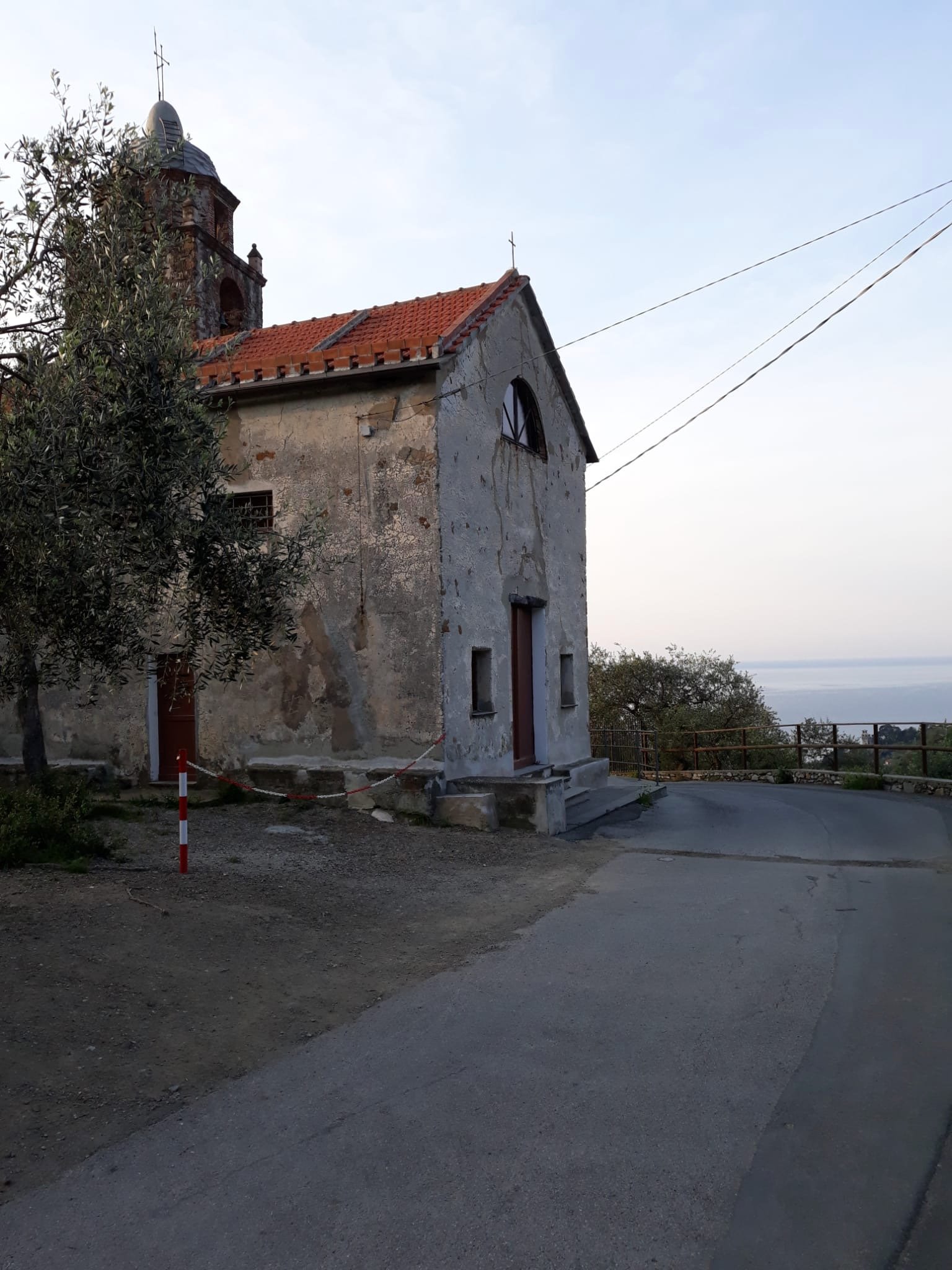
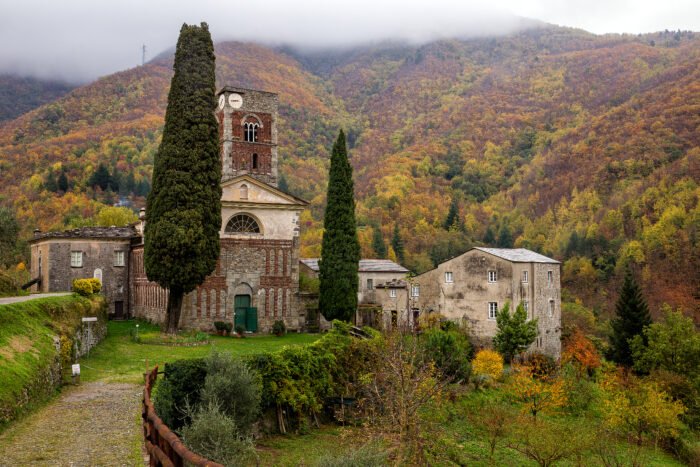
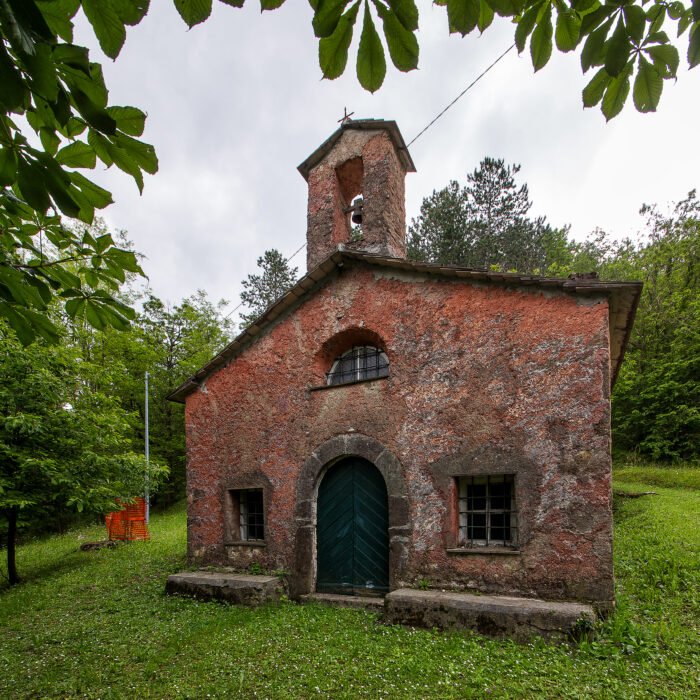
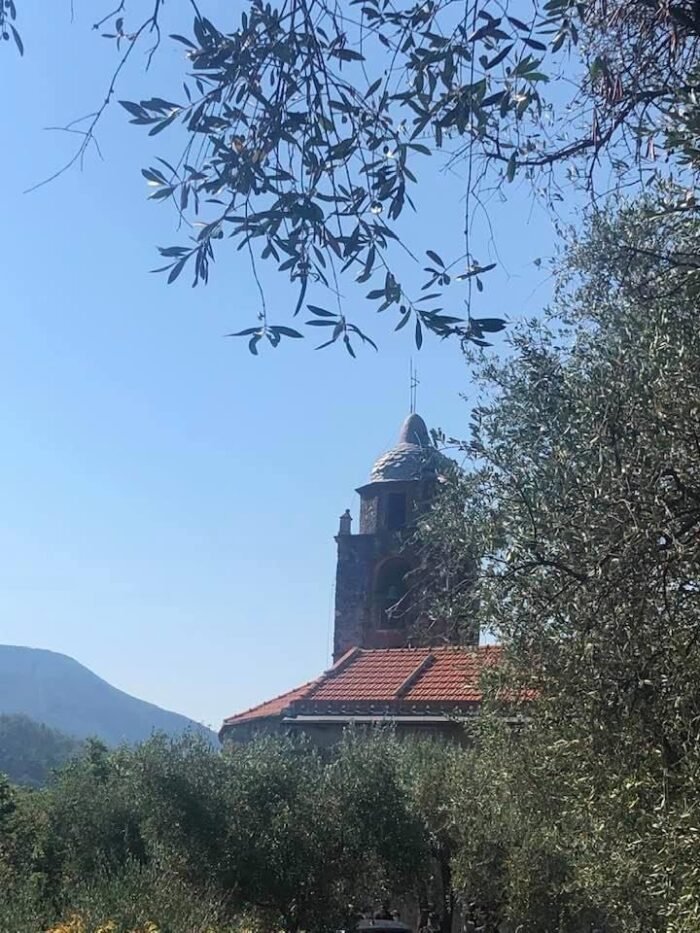
The Church of San Lorenzo stands on the hill of the same name and is probably the oldest church in Moneglia. Tradition holds that an original church already existed here and that it was destroyed in 641 by Rotari. Rebuilt over time, it suffered another destruction in the 12th century at the hands of Barbarossa. It was then rebuilt on its ancient foundations, giving rise to the church we know today, a silent witness to centuries of history and faith.
The medieval reconstruction and the name “Chiesanuova”
Some wills and documents from the 13th century mention endowments for this church, confirming the importance of the site. The definitive reconstruction dates back to the 13th century, as attested by a deed drawn up on 11 July 1224 in the castle of Monelone in Moneglia, which explicitly mentions the “ecclesia nova” of San Lorenzo. Not by chance, the toponym of the area is still today Chiesanuova. The dedication to San Lorenzo, protector of Genoa together with San Giovanni Battista, San Giorgio and San Bernardo di Chiaravalle, further strengthens the link with Genoese tradition.
A religious center among villages and castles
In the 15th century, the Podesteria of Moneglia included numerous “villas” and castles, among them Lemeglio, Deiva, Mezema, Scaro, Littorno, Agnora, Camposottano, San Saturnino, Curva, Tessi, Stozzo, Comeglio, Camposoprano and precisely Chiesanuova. The register of the Oratory of the Disciplinanti of Moneglia also records a Chiesanuova family, evidence of a deep-rooted connection between the territory and the church. San Lorenzo was the parish church before San Giorgio; the Remondini even cite it as the only parish church in the 7th century.
From parish church to place of memory
With the development of the village of Moneglia along the coast in the Late Middle Ages, the Church of San Lorenzo lost its status as parish church in favor of San Giorgio, as it was too far from the new settlement. Today the building, simple both externally and internally, preserves works of notable interest: on the walls there is a triptych depicting San Lorenzo and other works with Franciscan themes; a baptismal basin carved with three lobes has been adapted for use as a holy water font. The church is open on special occasions for guided visits, and the feast day is celebrated on 10 August, once involving the entire village.
Fonti
TOMAINI P., Moneglia. Notizie storiche, Centro editoriale Idea, Roma, 1980;
Dentone M., “Soldi e gioielli all’ombra della chiesa. La leggenda del tesoro di San Lorenzo” da Il Secolo XIX del levante di martedì 19 agosto 2025;
Folli E., “Moneglia si racconta fra storia e leggenda, tuffandosi nella natura a San Lorenzo e Passana” da Il Secolo XIX del Levante 23 luglio 2023;
https://fondoambiente.it/luoghi/chiesa-di-san-lorenzo-moneglia?ldc;
https://www.prolocomoneglia.it/root/index.php/storia
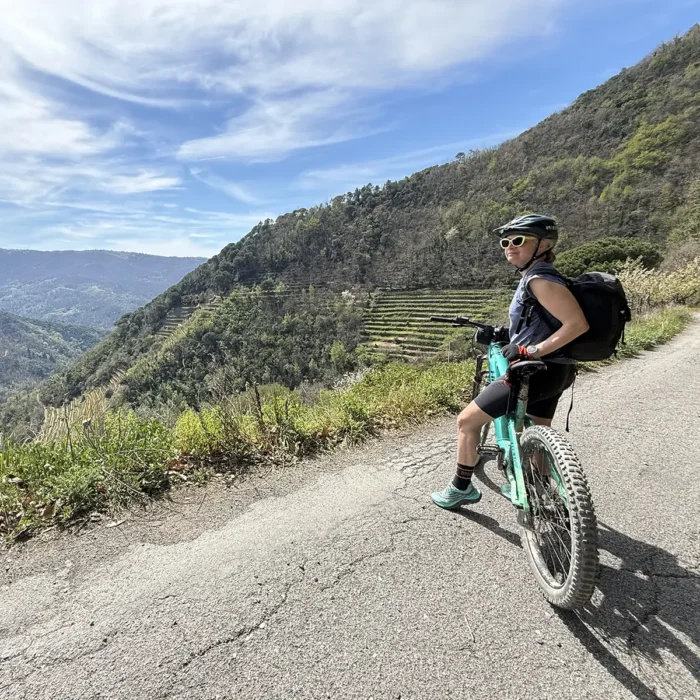
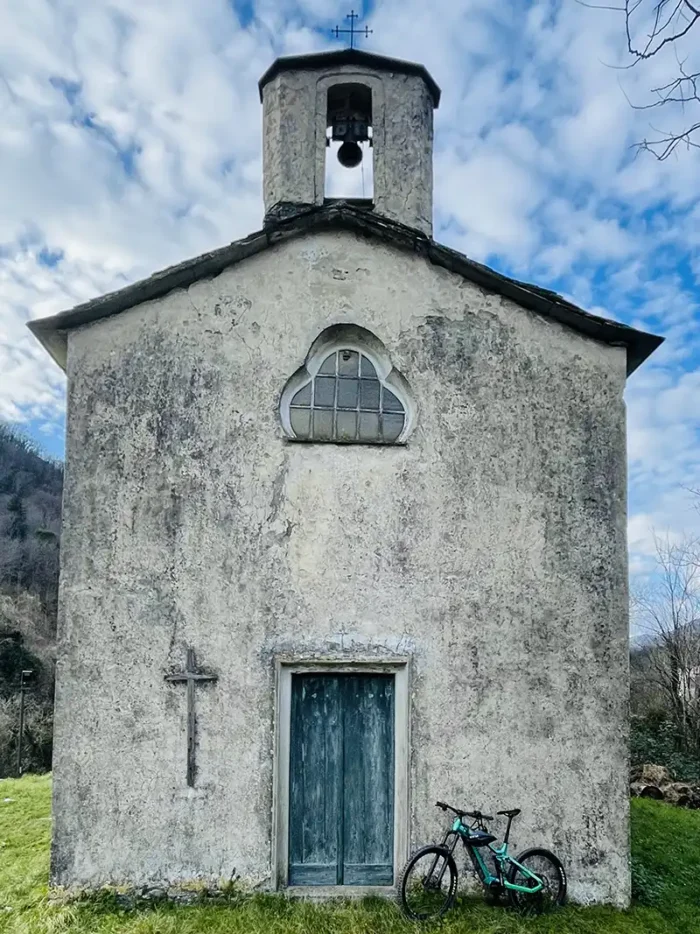
Trekking and cycling routes that may interest you
Itineraries of different durations and suitable for every taste and level of preparation, to discover the most beautiful and evocative places and panoramas of the Ligurian Tigullio.



Local experiences that might interest you
Let yourself be guided and be surprised by the hidden treasures that the Ligurian Tigullio area is capable of offering you in every season.
Sport
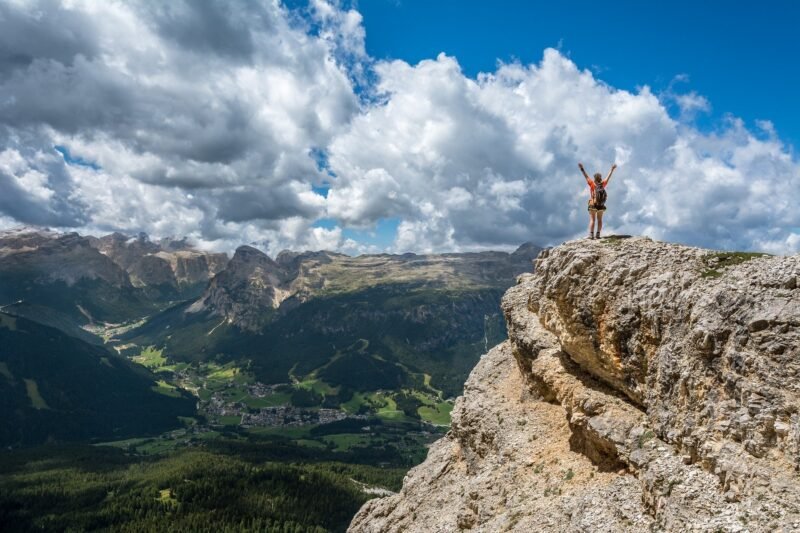
Hiking routes, climbing, mountain biking and much more… Choose the sport in contact with nature that’s right for you!

Culture
Shows, Theatre, Music, Food and Wine, Reading… Experience the cultural and artistic proposals, immersed in the Ligurian landscape.

Nature
Geology, bird watching, nature engineering and other initiatives, to cultivate awareness and responsibility for environmental issues.
More heritage that may interest you
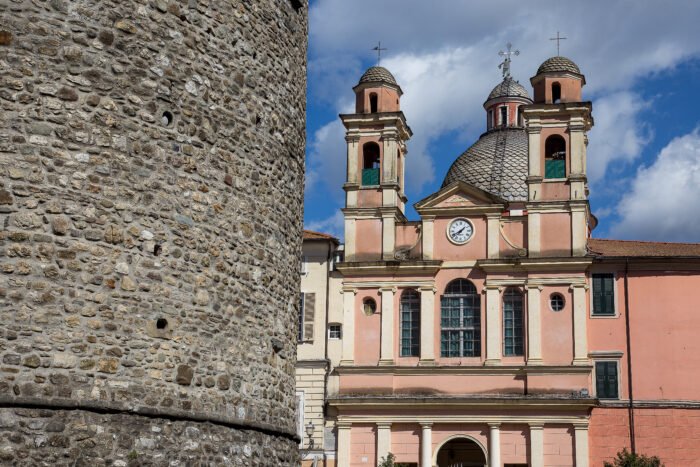
Catalog of the tangible and intangible heritage, a precious resource of the Tigullio for community building and local development.



Join us!
Preserve the history and traditions of the Ligurian Tigullio area and keep them alive for future generations.