History and culture: Civil architecture, Military architecture, fortifications and castles


Optical Telegraph of Monte Cucco
Monte Cucco Telegraph: the panoramic point where modern communication between Chiavari and Europe was born.
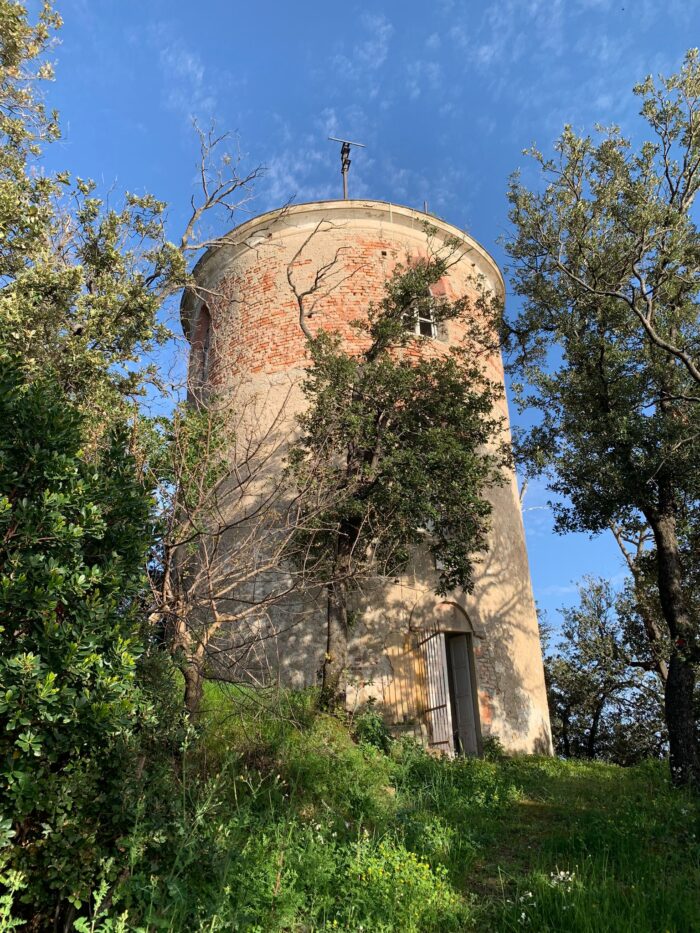
The Monte Cucco Telegraph, also known as Monte Telegrafo, represents one of the most fascinating and significant sites in Chiavari’s technological and territorial history. Situated on the hillside ridge between Bacezza and Le Grazie, at approximately 330 meters above sea level, this historic site preserves traces of one of Europe’s first infrastructures for the rapid transmission of information over distances: the Napoleonic optical telegraph.
Today, Monte Telegrafo is an ideal destination for hikers, history buffs, and communication scholars. Here, nature, landscape, and technological innovation merge in a place that recounts an extraordinary chapter in European history.
A strategic hub in the Napoleonic telegraph network
At the beginning of the 19th century, during the expansion of the Napoleonic Empire, a vast optical communications network was built connecting the major European cities. This system, developed in France in the late 18th century thanks to the research of the Chappe brothers, represented the most advanced technology of the time for the rapid transmission of messages.
Mount Cucco in Chiavari was chosen as a strategic location for one of the stations of this network due to its extraordinary visibility: from here, it was possible to clearly see Mount Portofino to the west and the next station, located at Punta Manara to the east.
The choice of site was the result of careful reconnaissance conducted as early as 1807 by the French imperial official Monsieur Berruti, inspector of the Empire’s semaphores.
The location of a station in Chiavari was no coincidence: the city was then the capital of the Department of the Apennines, an administrative role that increased its importance within the imperial system.
How the optical telegraph worked
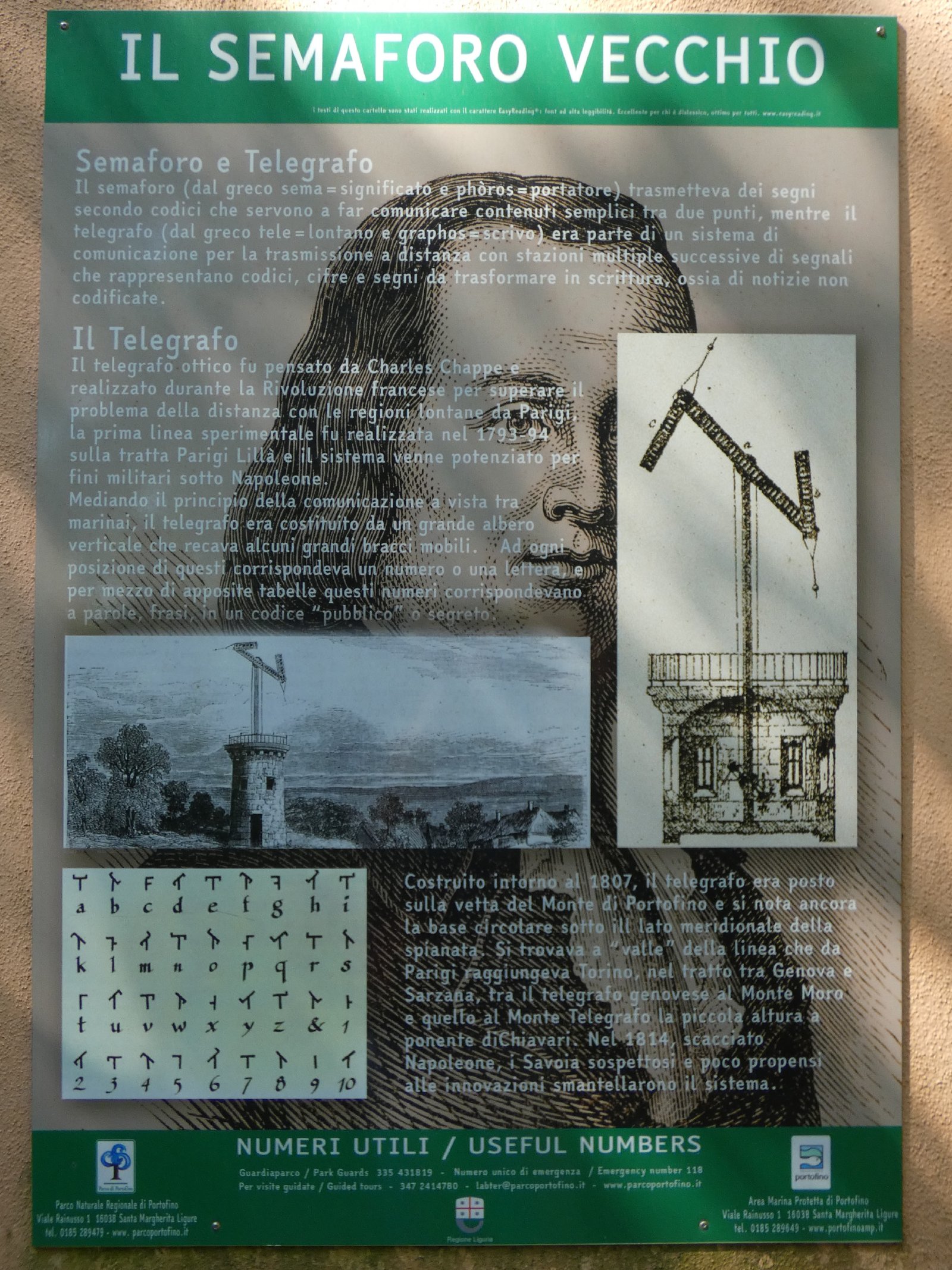
The optical telegraph was a surprisingly simple yet extremely effective system. A wooden lattice with three movable arms, called:
– regulator (the main central arm)
– two lateral indicators
These elements could assume numerous geometric configurations, visible from great distances with the aid of telescopes.
The different combinations generated 196 coded signals, each associated with letters, words, or sentences.
The network operated on a chain of visually connected stations:
– the first station sent the signal;
– operators at the next station observed and recorded it;
– the message was immediately replicated to the next station.
This process allowed for incredibly fast transmission for the time:
– about 2 minutes to travel 200 km on the Paris–Lille line
– about 6.5 minutes for 400 km on the Paris–Strasbourg line.
Thanks to this technology, a dispatch sent from Chiavari could reach Paris or Rome in a few hours.
Mount Telegrafo today: archaeological evidence and landscape
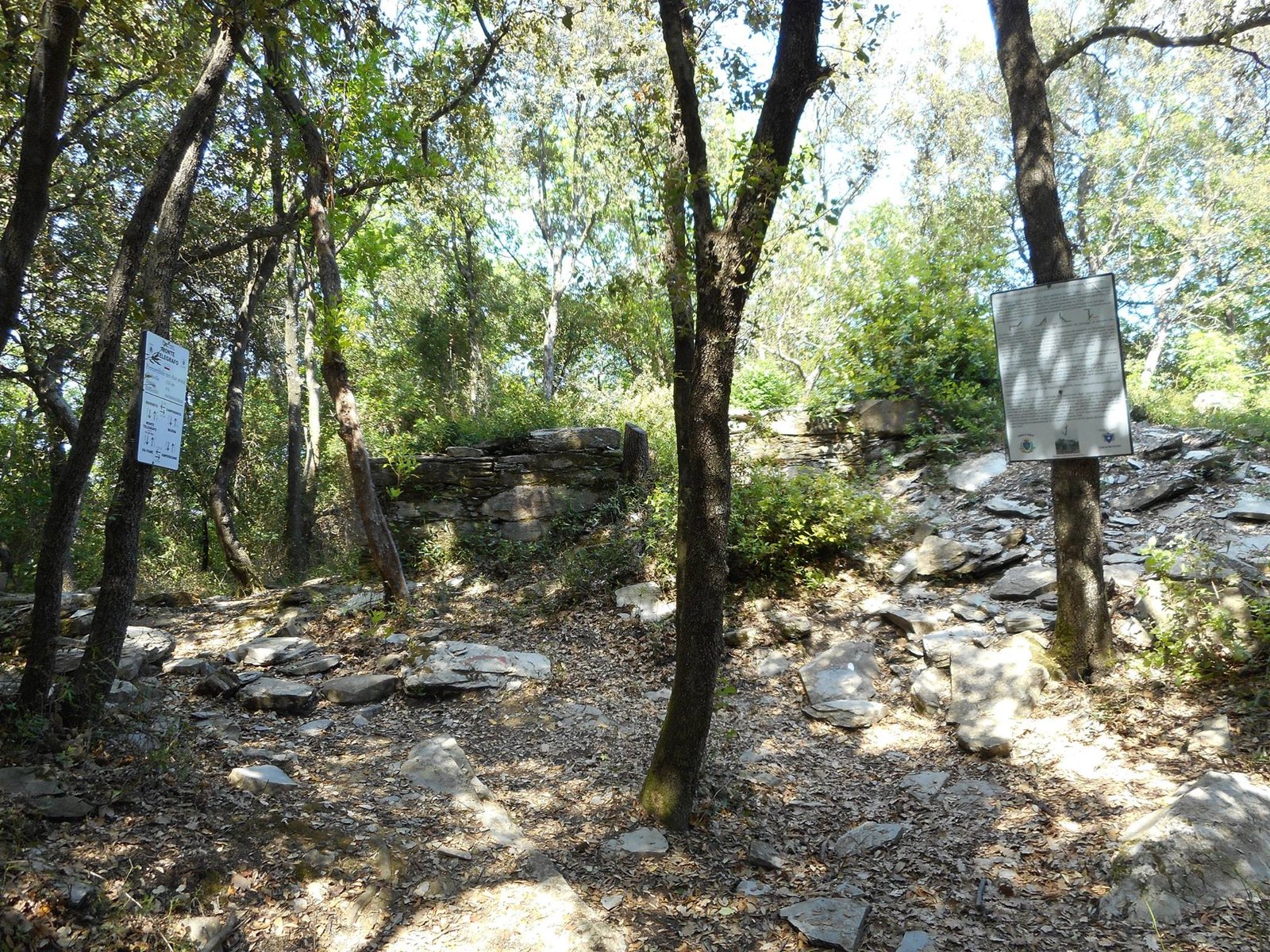
Although the original wooden structure has disappeared, some remnants of the historic structure are still visible on the summit of Monte Telegrafo, including:
– a stone buttress;
– a terraced platform measuring approximately 15 x 5 meters;
– dry stone walls that supported the base of the pylon.
The semaphore system connecting Chiavari to the other stations in the Ligurian network was installed on this plinth.
Adjacent to the structure were the semaphore operators, specialized technicians who transcribed the received signals. The code used was secret and encrypted, kept in registers and interpreted by a technician known as a “translator.”
To ensure communication with the city, a mule service was also available, quickly transporting dispatches to the Chiavari Prefecture, located in the Citadel area.
A place where technology, landscape and history meet
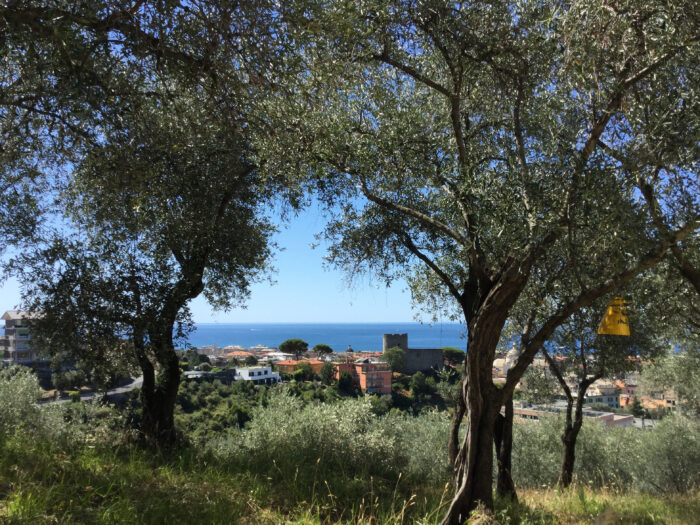
Climbing Monte Telegrafo in Chiavari today means taking a scenic walk along the ridge between Bacezza and Le Grazie, immersed in Mediterranean scrub and overlooking the Gulf of Tigullio.
The route, which can begin from Via Fiume, leads to the summit, where visitors can imagine the presence of the optical tower that over two centuries ago transmitted signals to all of Europe.
The landscape here is not only spectacular: it is also a reminder of scientific and technological history. Monte Cucco, in fact, bears witness to one of the first international communications networks in history, a direct precursor to modern telecommunications systems.
A historical heritage to be rediscovered
The Monte Cucco Telegraph is more than just a scenic overlook or a hiking destination: it symbolizes an era when Chiavari was fully integrated into the cultural, administrative, and technological networks of Napoleonic Europe.
Visiting this site is therefore a journey back in time, to the dawn of global communication, when three simple wooden arms, moved by the wind and human ingenuity, connected cities hundreds of kilometers apart.
Fonti
Stefano Chiesa
Società Economica di Chiavari
Piazza Levante: https://piazzalevante.it/la-comunicazione-da-chiavari-alleuropa-il-primo-telegrafo-sul-monte-cucco/
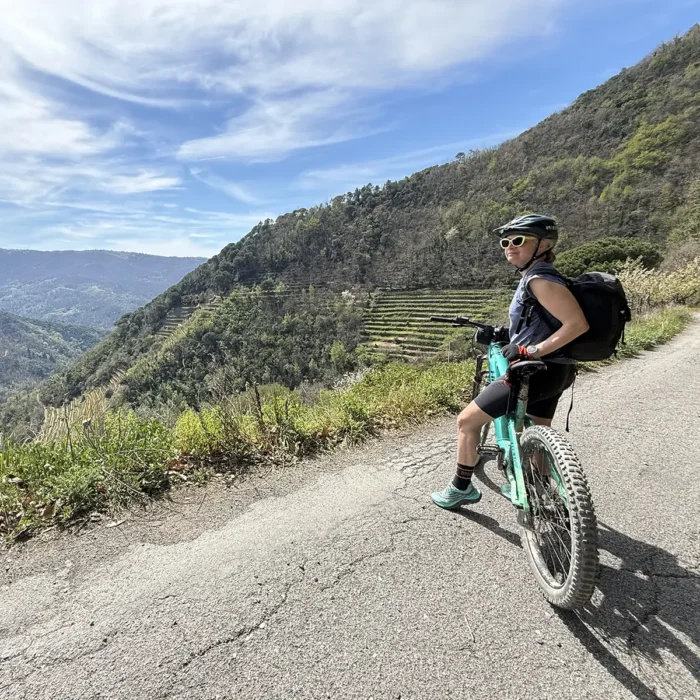
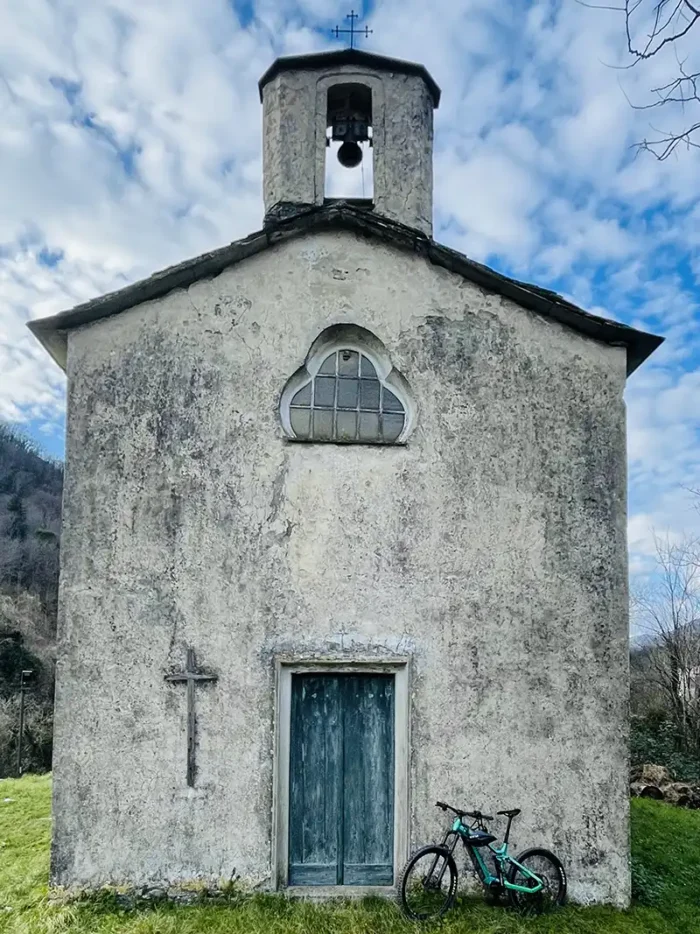
Trekking and cycling routes that may interest you
Itineraries of different durations and suitable for every taste and level of preparation, to discover the most beautiful and evocative places and panoramas of the Ligurian Tigullio.



Local experiences that might interest you
Let yourself be guided and be surprised by the hidden treasures that the Ligurian Tigullio area is capable of offering you in every season.
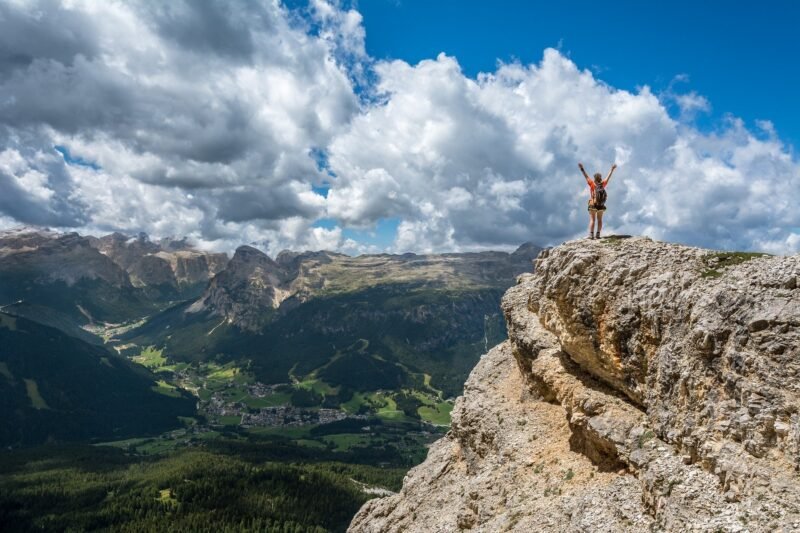
Sport
Hiking routes, climbing, mountain biking and much more… Choose the sport in contact with nature that’s right for you!

Culture
Shows, Theatre, Music, Food and Wine, Reading… Experience the cultural and artistic proposals, immersed in the Ligurian landscape.

Nature
Geology, bird watching, nature engineering and other initiatives, to cultivate awareness and responsibility for environmental issues.
More heritage that may interest you
Catalog of the tangible and intangible heritage, a precious resource of the Tigullio for community building and local development.




Join us!
Contribute to preserve the history and traditions of the Ligurian Tigullio area, and keep them alive for future generations.