

Historic Core of Villa Cella and Oratory of San Lorenzo
Villa Cella: The Dawn of a Monastic Settlement
The origins of Villa Cella date back to the early 12th century, when a community of monks affiliated with the Pavia monastery of San Pietro in Ciel d’Oro founded a convent in this secluded and strategic location. The site was carefully chosen: the complex stood along the mule track of Passo delle Rocche, a vital route connecting the maritime side to the trade networks of the Piacenza region and the Po Valley. This path was the shortest link between the sea and the inland areas, also allowing travelers to bypass the large marsh that once occupied the valley floor between Farfanosa and Parazzuolo.
The Rise of the Abbey and Monastic Decline
In 1162, the convent was elevated to the status of abbey, enjoying long-standing religious and economic importance. However, from the 14th century onward, monastic authority gradually gave way to the local secular lords, the De Meleto family, later known as Della Cella. The exact date marking the end of the monastic experience is unknown, but historians suggest a slow decline concluding in the 15th century. According to oral tradition, the Benedictine monks themselves drained the valley marshes; paradoxically, the creation of easier plains routes made the Passo delle Rocche mule track less essential, accelerating the monastery’s abandonment.
The Church of San Michele: Art and Architecture
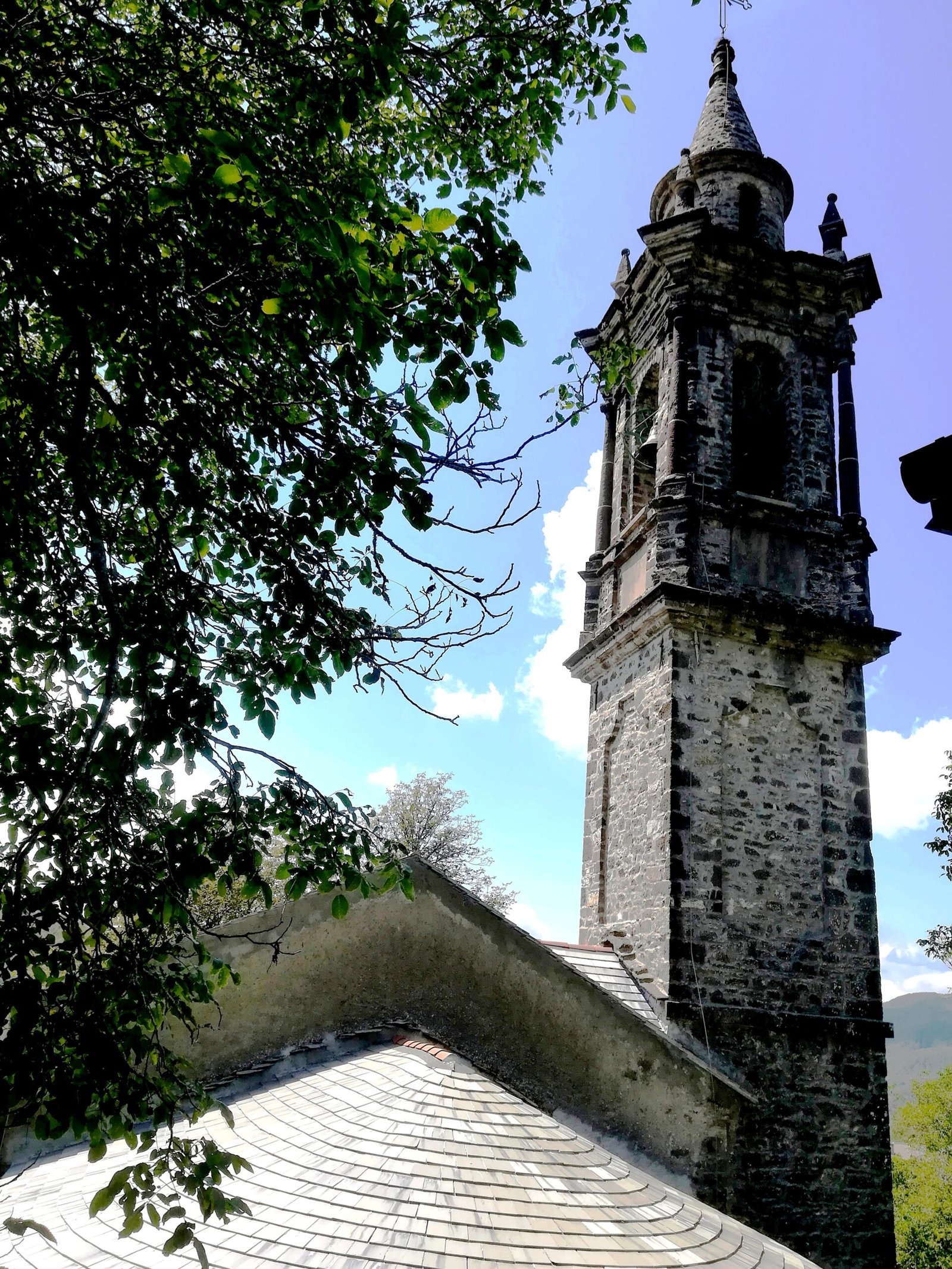
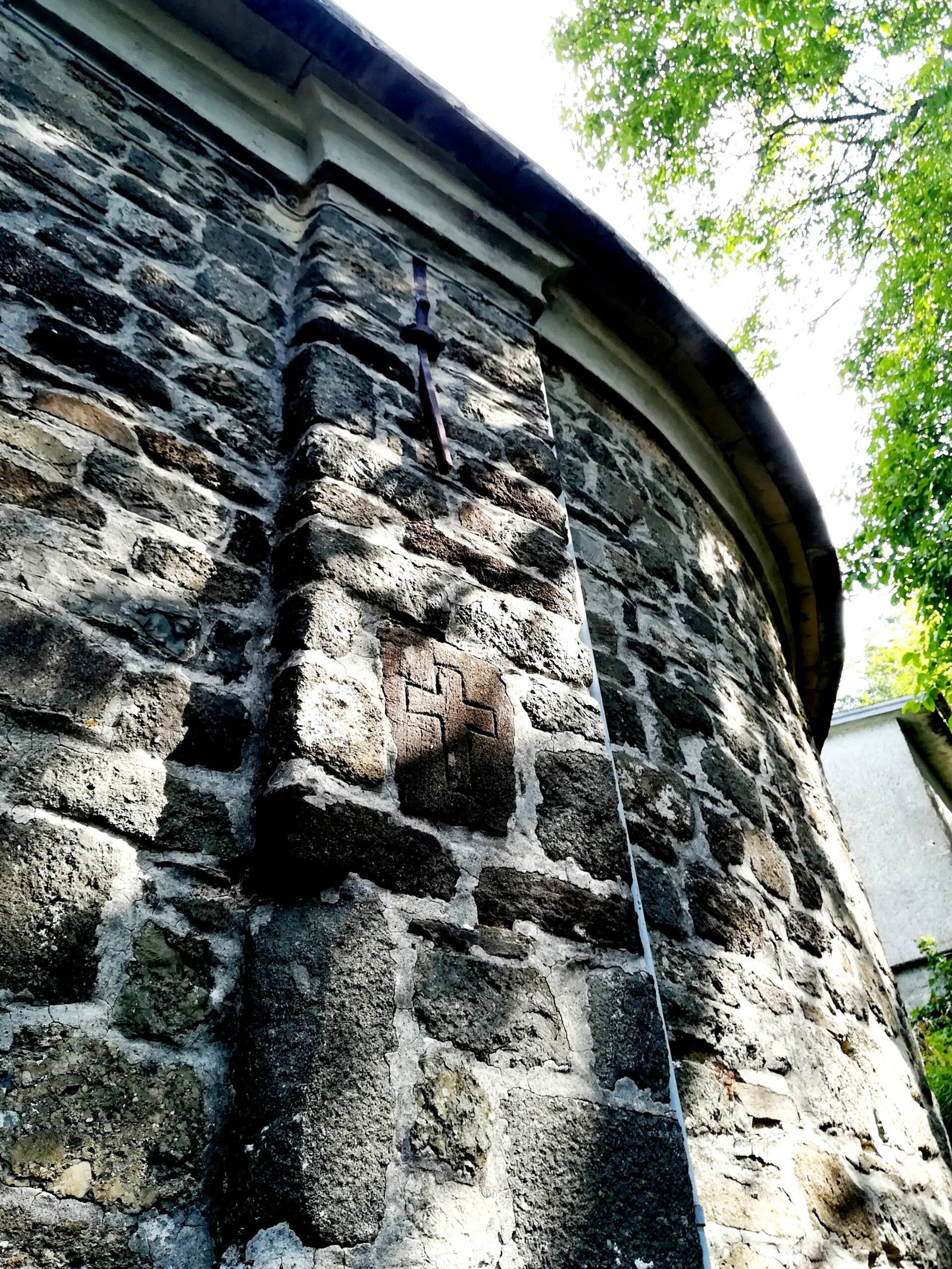
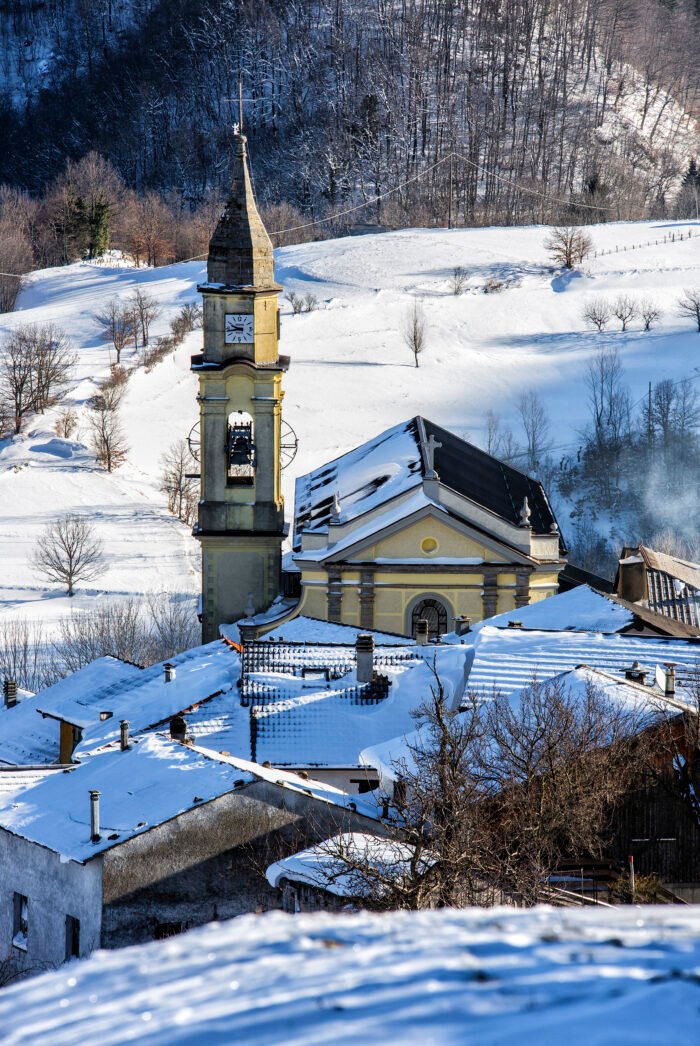
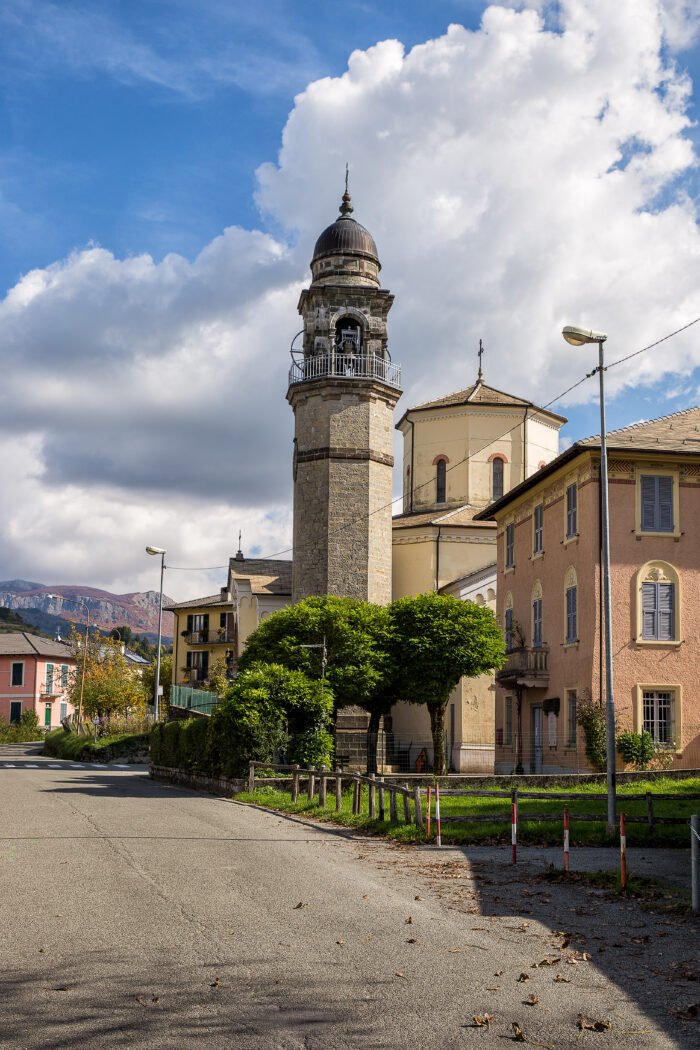
The current Church of San Michele reflects post-Tridentine style, featuring a single nave divided into three bays and a semicircular presbytery. The sober façade is adorned with a simple stucco cornice and an angelic figure at the top of the pediment. Of particular interest are the walls, which incorporate cornerstones and finely worked stones reused from earlier structures, suggesting the presence of early medieval or even preexisting buildings dating back to the monastery’s foundation.
Conventual Remains and Rural Architecture
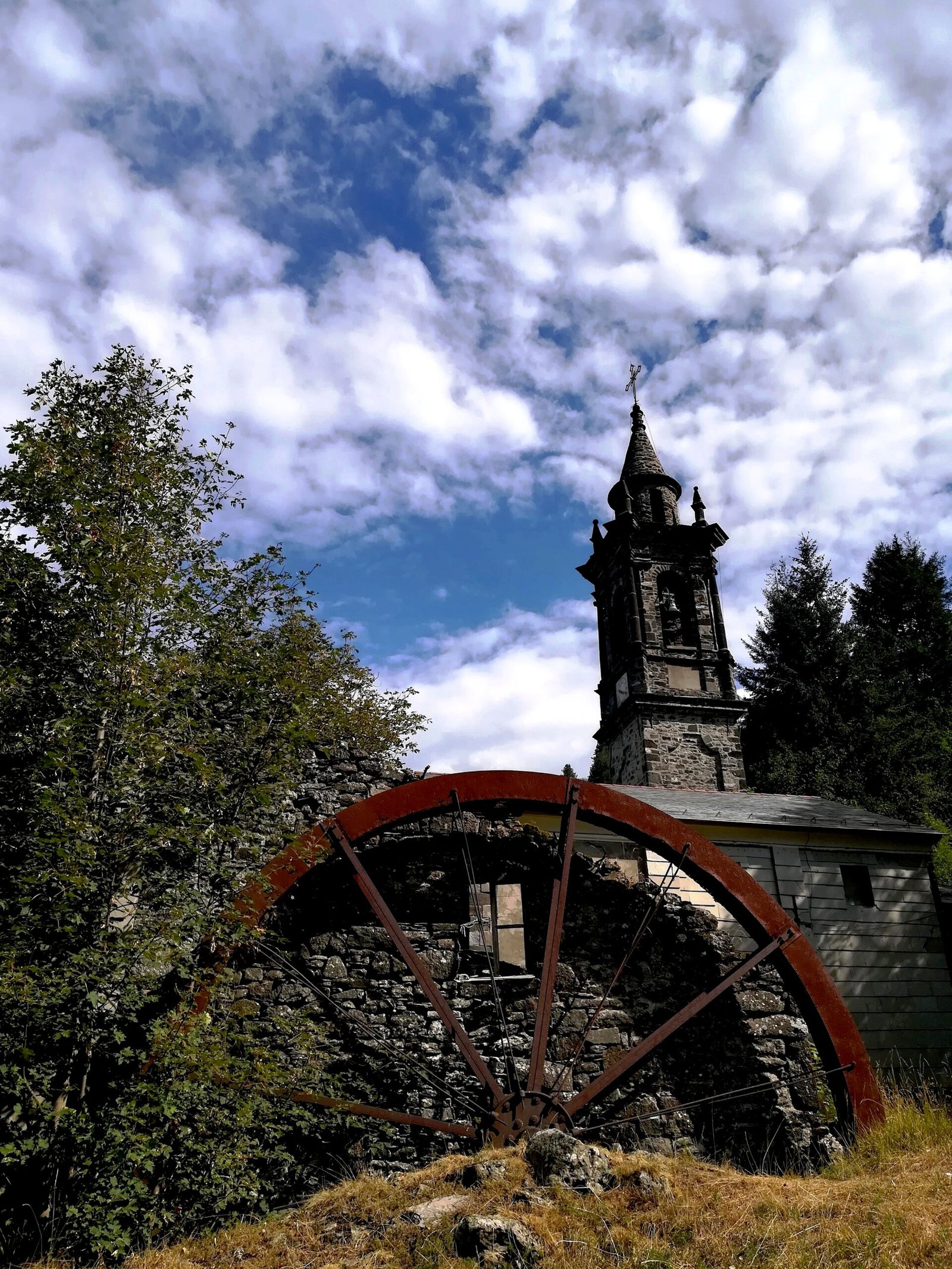
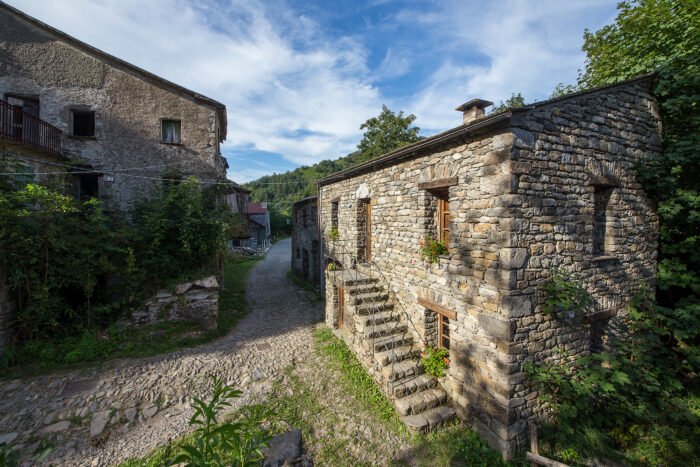
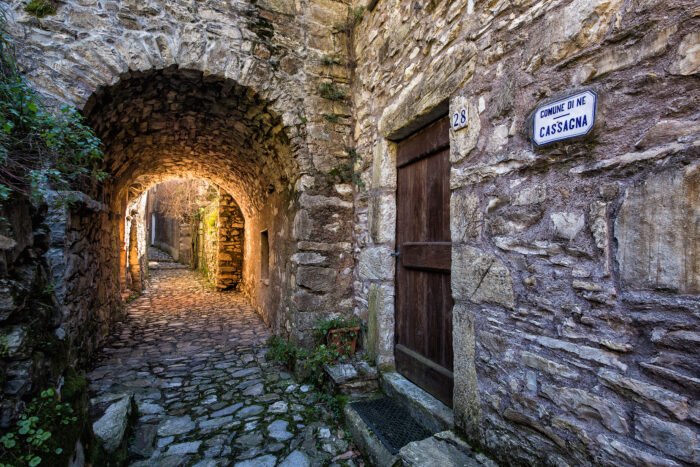
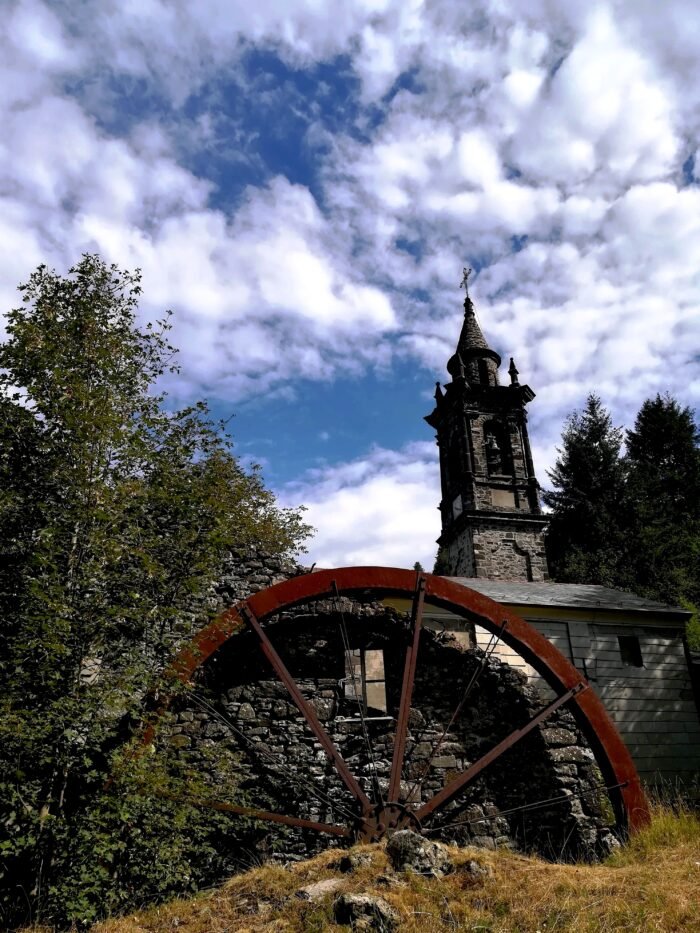
At the end of the 19th century, a mill was built on the ancient convent structures, now reduced to ruins. During its construction, the discovery of a burial with monastic furnishings confirmed the original function of the site. Together with a still-standing rural house, these remains provide a significant example of Apennine architecture, characterized by compact stone volumes and slate roofs, bearing witness to the site’s historical and cultural continuity.
Trekking and cycling routes that may interest you
Itineraries of different durations and suitable for every taste and level of preparation, to discover the most beautiful and evocative places and panoramas of the Ligurian Tigullio.

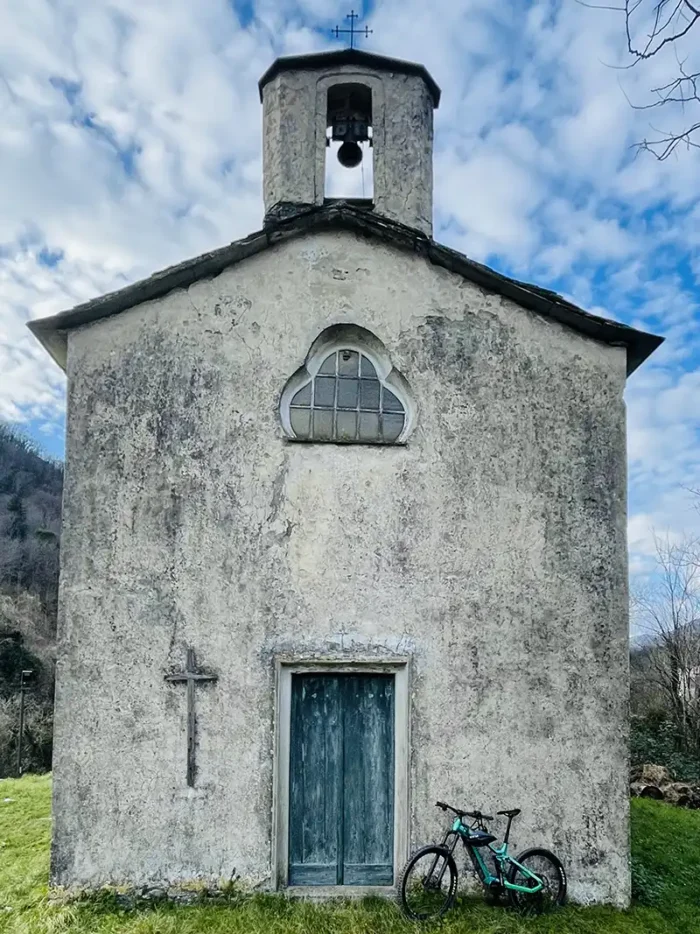


Local experiences that might interest you
Let yourself be guided and be surprised by the hidden treasures that the Ligurian Tigullio area is capable of offering you in every season.
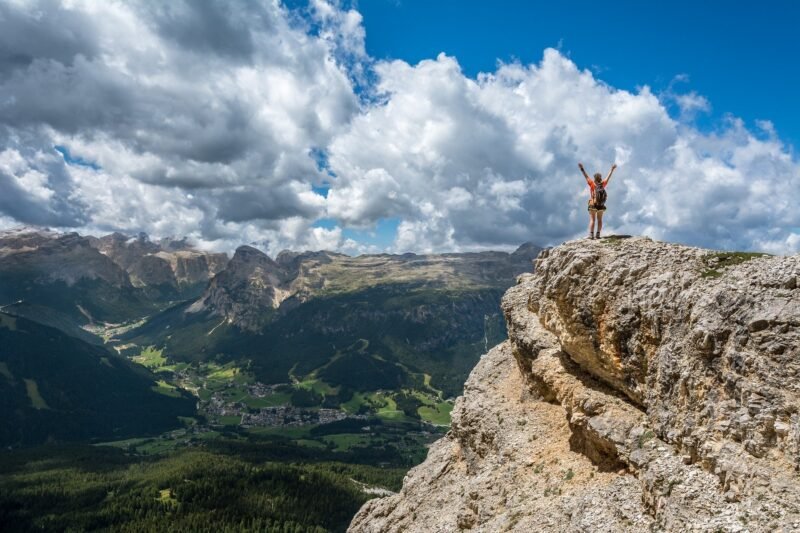
Sport
Hiking routes, climbing, mountain biking and much more… Choose the sport in contact with nature that’s right for you!

Culture
Shows, Theatre, Music, Food and Wine, Reading… Experience the cultural and artistic proposals, immersed in the Ligurian landscape.

Nature
Geology, bird watching, nature engineering and other initiatives, to cultivate awareness and responsibility for environmental issues.
More heritage that may interest you
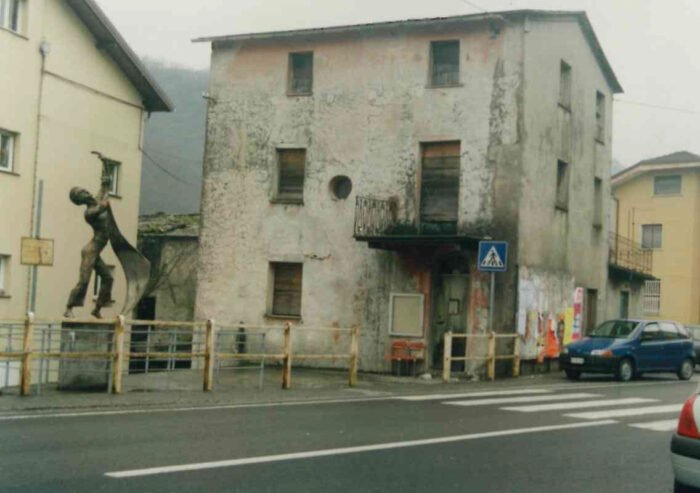
Catalog of the tangible and intangible heritage, a precious resource of the Tigullio for community building and local development.



Join us!
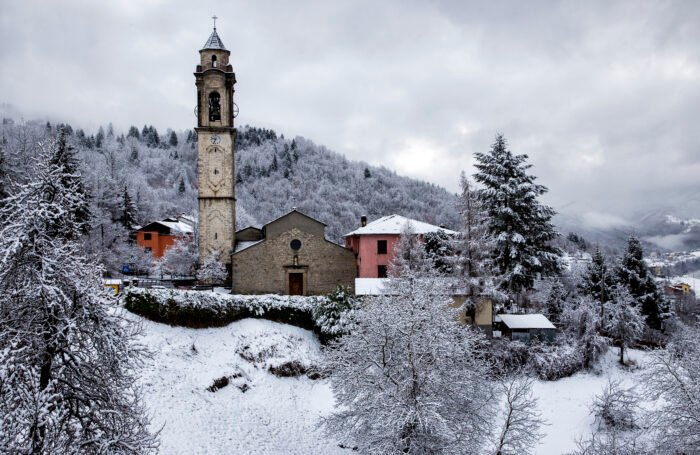
Preserve the history and traditions of the Ligurian Tigullio area and keep them alive for future generations.