

Historic Centre of Ventarola with Aveto Park Refuge
Ventarola: A Village Between History and Mountains
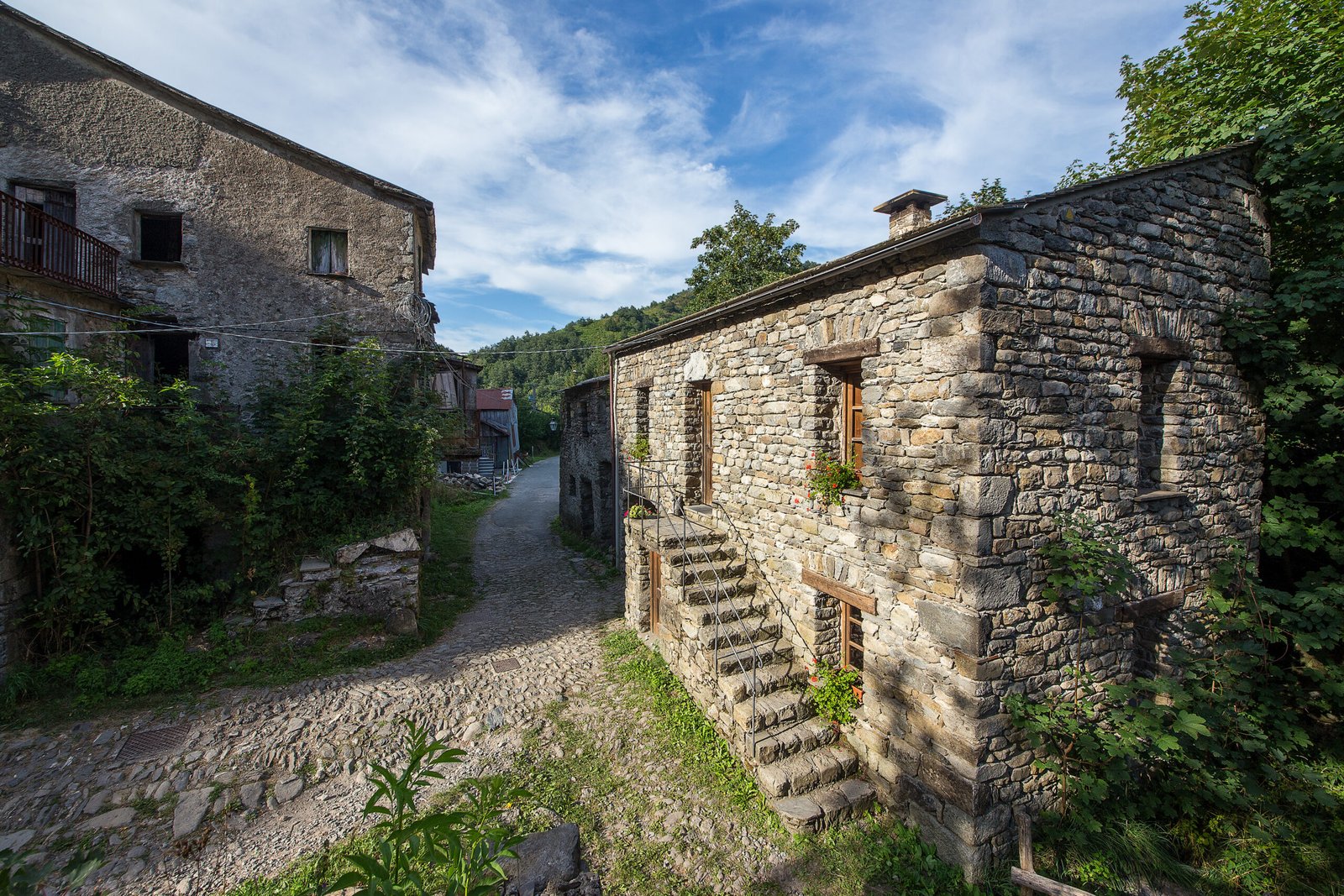
Ventarola, a hamlet of the Comune of Rezzoaglio in upper Val d’Aveto, developed as a cluster of settlements that post-medieval records describe as a “villa,” the most common form of habitation in the Ligurian hinterland until the end of the Ancien Régime. The origins of the village date back to ancient times: in the preceptum of Liutprand in 714, the toponym “Fontana Ventola” is mentioned as a territorial boundary, suggesting that the site was already frequented in late antiquity.
A Fortified Center and Commercial Hub
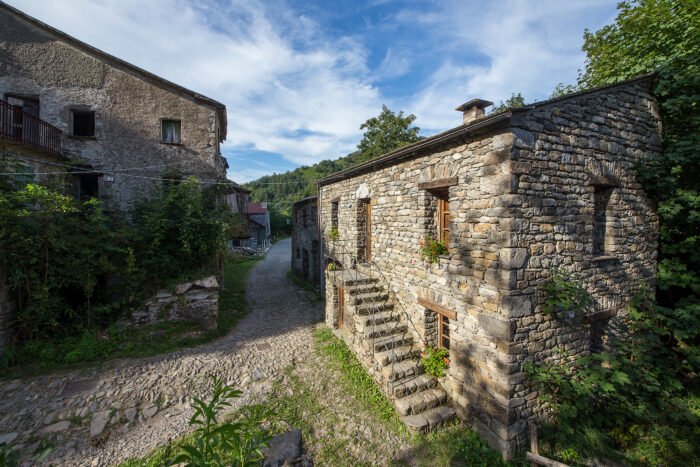
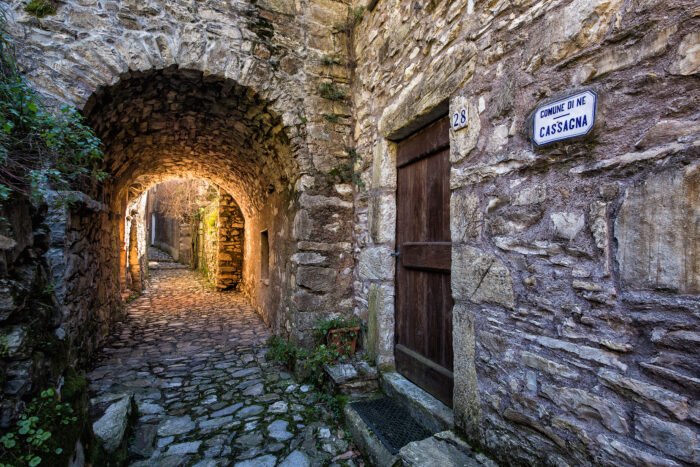
During the Middle Ages, Ventarola likely functioned as a fortified center, necessary to protect the flow of people and goods passing through. The village’s architecture still reflects this purpose: stone houses retain traces of large vaulted rooms and monumental portals, marking access to storage areas and showcasing the skill of local craftsmen. Among these, the portal of the building now serving as a refuge of the Parco dell’Aveto, dated 1631, stands out as a testament to the prestige of the families who coordinated 17th-century trade.
Trade Routes and Economic Strategy
Ventarola served as a strategic connection point between Tigullio and Piacenza. Via one of the main “mule tracks” from Val Fontanabuona, the village received and redistributed much of the oil collected in Rapallo merchants’ basins, destined for the markets of the Po Valley. From Ventarola, travelers could reach Acero through the Passo della Colletta and continue directly into Val Sturla, cementing its role as an economic hub between coast and hinterland.
Social Organization and Road Protection
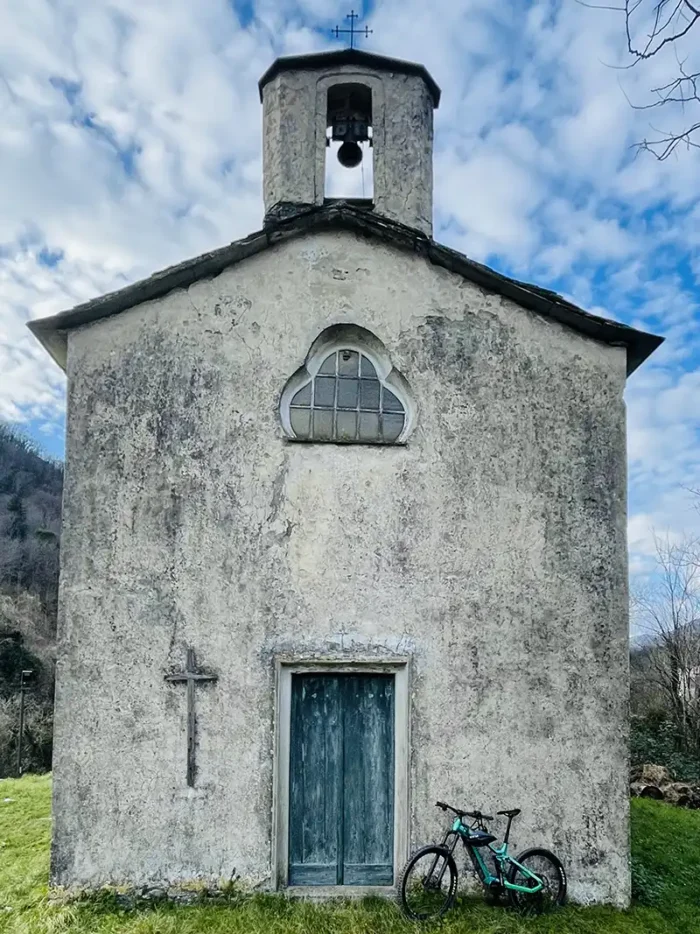
In the 16th century, this system ensured not only the supply of olive oil but also the import of Po Valley grains. The villagers provided the logistical support, while the “principali” of the villas coordinated the trade, becoming key market players. Protection of the routes was entrusted to strategically placed religious buildings: along the road to the pass stood a chapel dedicated to San Rocco, likely abandoned in the 17th century following the construction of the Oratory of San Giacomo di Parazzuolo.
Ventarola Today: Preserving Trails and Trade Memory
Today, the historic mule tracks of Ventarola intersect with ridge trails and ancient trade routes, preserving the memory of a rural civilization built on strategic exchanges between the coast and the Oltregiogo. The village remains a living witness to the balance between mountains, commerce, and community life, where every stone tells centuries of history and labor.
Trekking and cycling routes that may interest you
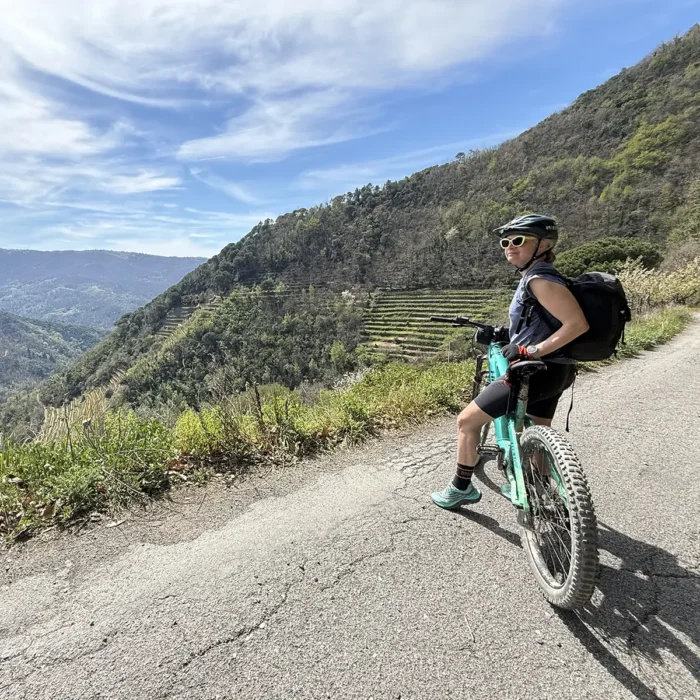
Itineraries of different durations and suitable for every taste and level of preparation, to discover the most beautiful and evocative places and panoramas of the Ligurian Tigullio.



Local experiences that might interest you
Let yourself be guided and be surprised by the hidden treasures that the Ligurian Tigullio area is capable of offering you in every season.
Sport
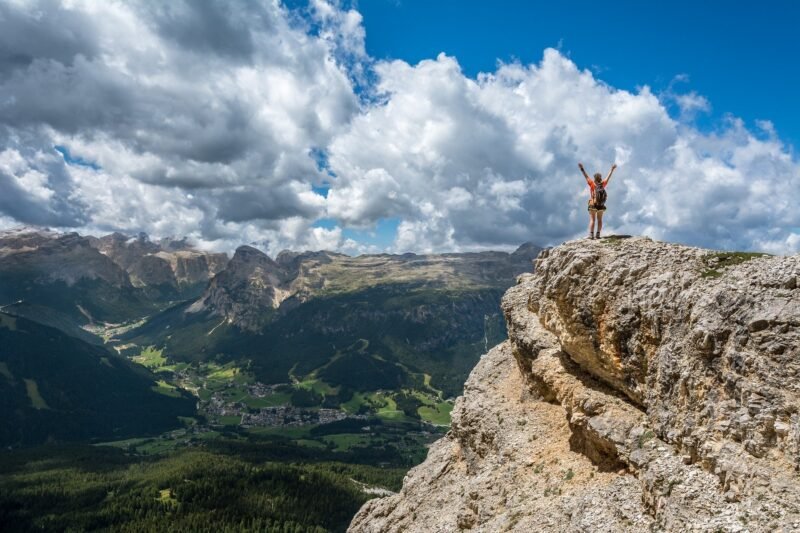
Hiking routes, climbing, mountain biking and much more… Choose the sport in contact with nature that’s right for you!

Culture
Shows, Theatre, Music, Food and Wine, Reading… Experience the cultural and artistic proposals, immersed in the Ligurian landscape.

Nature
Geology, bird watching, nature engineering and other initiatives, to cultivate awareness and responsibility for environmental issues.
More heritage that may interest you
Catalog of the tangible and intangible heritage, a precious resource of the Tigullio for community building and local development.



Join us!
Preserve the history and traditions of the Ligurian Tigullio area and keep them alive for future generations.