

On the salt paths
Fundamental role of salt
The diffusion of salt in the Tigullio began from the most ancient settlements. Salt was an indispensable element for both nutrition and food preservation.
Iron and Bronze Age:
The presence of Iron Age communities in Chiavari indicates that fresh water was available here and that it was easy to obtain sea salt. In this regard, recent studies have hypothesized that the layers on which the pre-Roman necropolis of Chiavari (the so-called cocciopesto) is founded, belonging to the Final Bronze Age (around 11th century BC), could belong to containers for boiling sea water and the preparation of brines and salt.
Ancient Production and Use
The precious and indispensable element could be produced by thermal evaporation or directly collected in the cliffs still called “Gruppu da Sâ”. These cliffs west of Chiavari are characterized by infinite ravines filled by water during storm surges. The subsequent solar radiation causes them to evaporate, depositing the salt in the niches of the rocks. This area, at the foot of the current hill of Grazie, was also the ancient quarry of troubadours used for the construction of the tombs of the pre-Roman necropolis and therefore, probably, the community knew about these natural salt deposits and made use of them.
Trade routes and smuggling
There is ample archive documentation that recalls smuggling, in particular along the “Salt Routes”, a precise term to indicate the Apennine routes that connected the coast and the Genoese territory (where salt arrived by sea from Spain, France and Sardinia) and the internal communities, where salt was required in large quantities. The “Salt Roads” constitute these routes and take their name from the areas towards which the supplies were directed: the Emilian, Tuscan-Emilian, Piedmontese and, in the far west, the Alpine ones.
In the Tigullio, having passed the first Apennines, we crossed the Fontanabuona and continued from the various accesses towards the deeper mountain areas: towards the Lumarzo area and the Scoffera pass, from Roccatagliata di Neirone to the Portello pass, from Favale to the Scoglina with possibility of proceeding towards Barbagelata or Ventarola. In the Sturla valley, continuing after Borzonasca, you reached the Bozzale and Rocche pass, or from Mezzanego you continued towards the Bocco pass. In the Graveglia valley, crossing the Ne territory, you passed Arzeno and reached the Biscia pass. From Sestri Levante we went up the first Apennine slope from Velva and continued through the Vara valley; from Varese Ligure we went up towards the Centocroci pass. They were all roads consolidated by centuries of trade.
There are still customs buildings near the crossings to control traffic, but salt smuggling knew how to overcome them, following precise variations, with depots for transhipments, to circumvent customs checks.
Cultural and Culinary Importance
Arbanelle also traveled along the Salt Roads with anchovies caught (from San Pietro to mid-July, according to tradition) and salted on the Tigullio coasts, reaching distant areas and contaminating other cuisines. An excellent example is the Piedmontese “bagna cauda”, a sauce obtained from the mixture of oil, garlic and anchovies, placed hot in the middle of the table and in which the diners dip the seasonal vegetables.

Sources
Viarengo G., “L’Albero della Cuccagna. Paesaggio, alimentazione e cucina nella Liguria di Levante”, Chiavari, Internòs, 2023
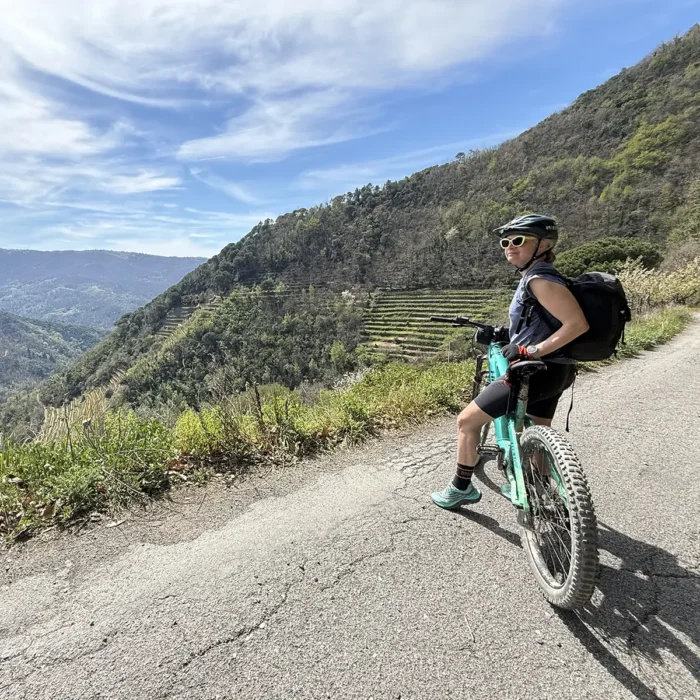
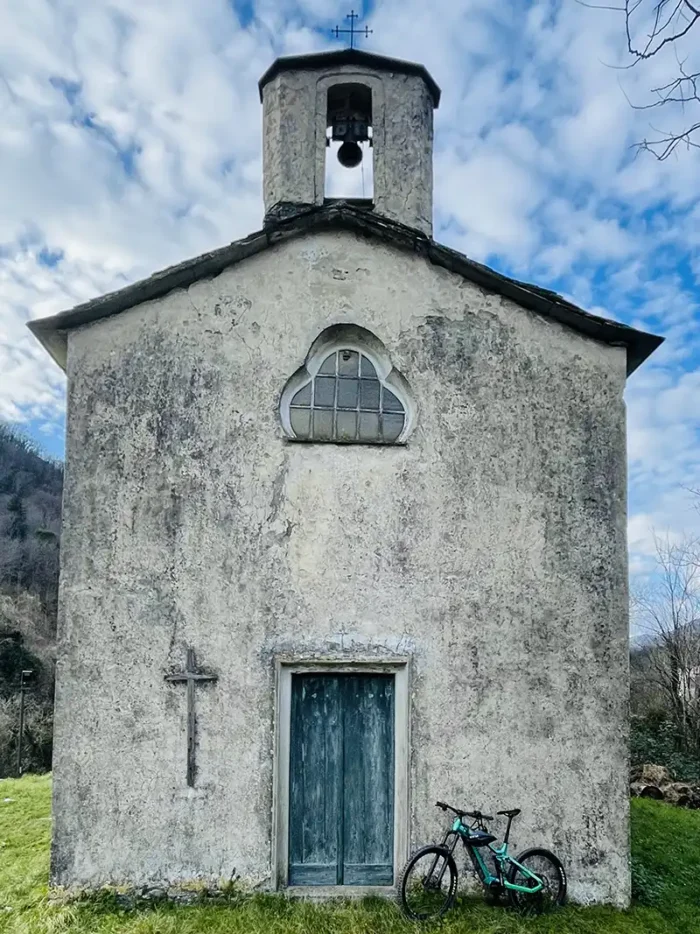
Trekking and cycling routes that may interest you
Itineraries of different durations and suitable for every taste and level of preparation, to discover the most beautiful and evocative places and panoramas of the Ligurian Tigullio.



Local experiences that might interest you
Let yourself be guided and be surprised by the hidden treasures that the Ligurian Tigullio area is capable of offering you in every season.
Sport
Hiking routes, climbing, mountain biking and much more… Choose the sport in contact with nature that’s right for you!

Culture
Shows, Theatre, Music, Food and Wine, Reading… Experience the cultural and artistic proposals, immersed in the Ligurian landscape.

Nature
Geology, bird watching, nature engineering and other initiatives, to cultivate awareness and responsibility for environmental issues.
More heritage that may interest you
Catalog of the tangible and intangible heritage, a precious resource of the Tigullio for community building and local development.


Join us!
Contribute to preserve the history and traditions of the Ligurian Tigullio area, and keep them alive for future generations.