

Tradition of the téstaieu
A Simple and Authentic Dough
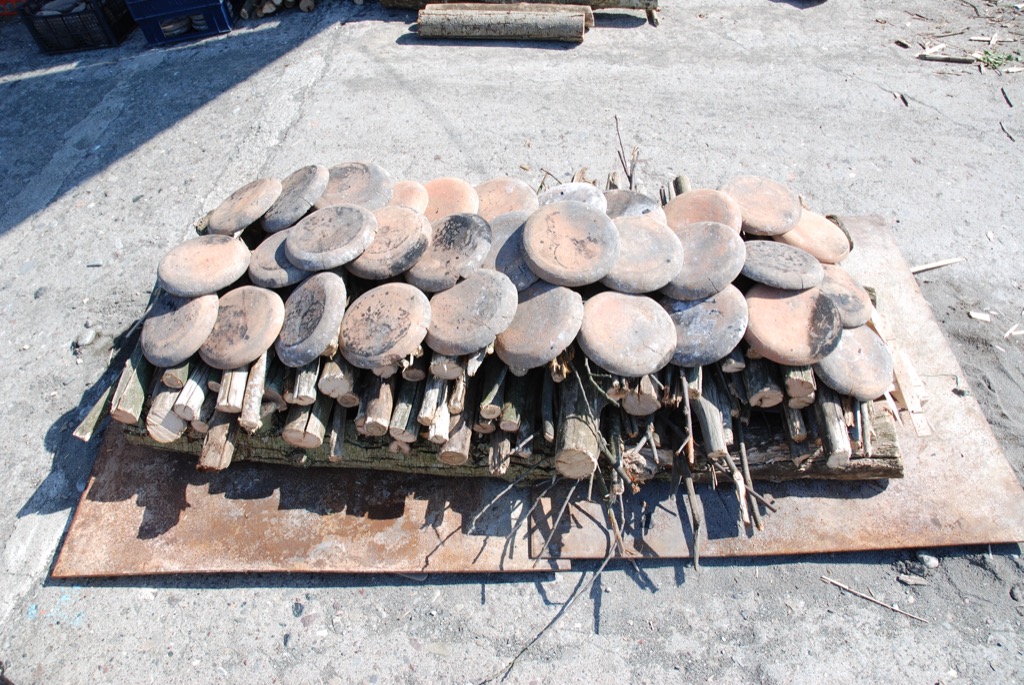
The rustic téstaieu bread has its roots in an ancient and minimalist recipe, which uses only flour, water and salt. In the past, yeast was not used; it was the mixing time that guaranteed an excellent result. The dough had to be soft, almost fluid, to perfectly fill the testo, a circular container used for baking.
The Magic of Blending
The preparation of the dough required a large quantity of water, often greater than the quantity of flour. This technique, typical of preparations without leavening and without the use of sourdough, gave the bread a unique consistency. With the introduction of yeasts, the rural culture of the area has been able to re-adapt centuries of knowledge, expanding the texts to accommodate the new leavened breads, but keeping the raw materials and procedures unchanged.
Tésto a Campana: A Primitive but Effective Oven
The bell-shaped text, covered in embers, served as a primitive oven. These rustic breads were made with wheat flours and other cereals, such as corn for patún-a and chestnut flour for panéla. Baking on a bed of chestnut leaves, used as a sort of popular baking paper, gave a particular aroma to the bread.
The Evolution of Cooking
The bell oven allowed new types of cooking and preparation. New containers, such as pans and piñatas, began to be used to cook other ingredients. Farinata, for example, was prepared in a tinned copper pan. Widespread throughout the Mediterranean, from Spain to Sicily, in Liguria farinata takes on various interpretations: white in the Ponente, with a mixture of wheat flour and chickpeas in the Savona area, and as fainâ in the Levante up to Tuscany, where it becomes cecina.
Homemade Leavened Bread: A Traditional Innovation
The first leavened home bread was baked in the large bell oven, called téstu grande. This required the use of a fireplace with a burning fire. The bell, hung over the fire and preheated, was then lowered onto the bread once the embers had moved to the side.
The Importance of Experience
Baking bread in a bell oven required a thorough knowledge of baking times. At the appropriate moment, the embers were moved and the bell lifted to collect the bread. This process highlights the importance of experience and craftsmanship in keeping culinary traditions alive.
Téstaieu: A Culinary Heritage to Preserve
Rustic bread and bell-shaped cooking techniques represent a precious culinary heritage, testimony to a tradition that has been able to adapt to changes without losing its essence. These practices, the result of centuries of passed down knowledge, continue to live and be appreciated, keeping alive the link with the roots and history of the territory.
Sources
Viarengo G., “L’Albero della Cuccagna. Paesaggio, alimentazione e cucina nella Liguria di Levante”, Chiavari, Internòs, 2023
Trekking and cycling routes that may interest you
Itineraries of different durations and suitable for every taste and level of preparation, to discover the most beautiful and evocative places and panoramas of the Ligurian Tigullio.





Local experiences that might interest you
Let yourself be guided and be surprised by the hidden treasures that the Ligurian Tigullio area is capable of offering you in every season.

Sport
Hiking routes, climbing, mountain biking and much more… Choose the sport in contact with nature that’s right for you!

Culture
Shows, Theatre, Music, Food and Wine, Reading… Experience the cultural and artistic proposals, immersed in the Ligurian landscape.

Nature
Geology, bird watching, nature engineering and other initiatives, to cultivate awareness and responsibility for environmental issues.
More heritage that may interest you
Catalog of the tangible and intangible heritage, a precious resource of the Tigullio for community building and local development.


Join us!
Contribute to preserve the history and traditions of the Ligurian Tigullio area, and keep them alive for future generations.