

The culture of effort
The Slate Trade in the 18th-19th Centuries: The Influence of the Traders
In the 18th and 19th centuries, Lavagna maintained its importance as a commercial center thanks to the trade in slate products, a highly appreciated specialization.
The Role of Traders
Merchants, at the end of the 1700s and in the 1830s, held control over the work and wages of the workers and porters, without protecting the interests of the workforce, even during economic crises.
The Economic Impact of Transport
After the extraction work, the slate was transported to Genoa by boats, suffering a significant price increase. This increase, of about 70%, included the costs of transportation and the labor of the stonemasons, but above all the tariffs of the merchants.
An Economic Reality Similar to Agriculture
Slate mining shared many economic characteristics with poor agriculture: lack of capital, vulnerability to market crises, and dependence on commercial intermediaries. This forced self-exploitation and dependence on human labor, ignoring the possibilities offered by technological evolution.
Emigration and Poverty
The second half of the nineteenth century saw significant emigration to the Americas, a sign of persistent economic hardship. Although slate provided a more secure income than agriculture, quarry workers were often victims of poverty and malnutrition, with an average lifespan of less than fifty years.
Fight Against Poverty
Quarrymen went underground to escape poverty and the threat of hunger, finding an alternative source of income in slate. The sale of oil, the spinning of flax and the extraction of slate supplemented the modest earnings of rural communities, offering essential sustenance in times of agricultural crisis.
A Life Made of Toil and Risk
Despite the harsh working conditions and underlying risks, the quarrymen saw slate as an escape from poverty and hunger, ready to endure any hardship to ensure the sustenance of their families.

Sources
Porcella M., “La fatica e la Merica”, Genova, Sagep, 1986
Porcella M., “Gli uomini dell’ardesia”, in Centro di Documentazione della Civica Biblioteca di San Colombiano Certenoli (a c. di), “L’ardesia della Fontanabuona e le sculture di Pietro Burzi”, Chiavari, Grafica Piemme, 2017, collana “Quaderni del Lascito Cuneo”
Savioli L., “Tradizione e storia della lavagna”, in Mannoni T. (a c. di), “Ardesia. Materia, Cultura, Futuro”, Genova, Sagep Editrice, 1995
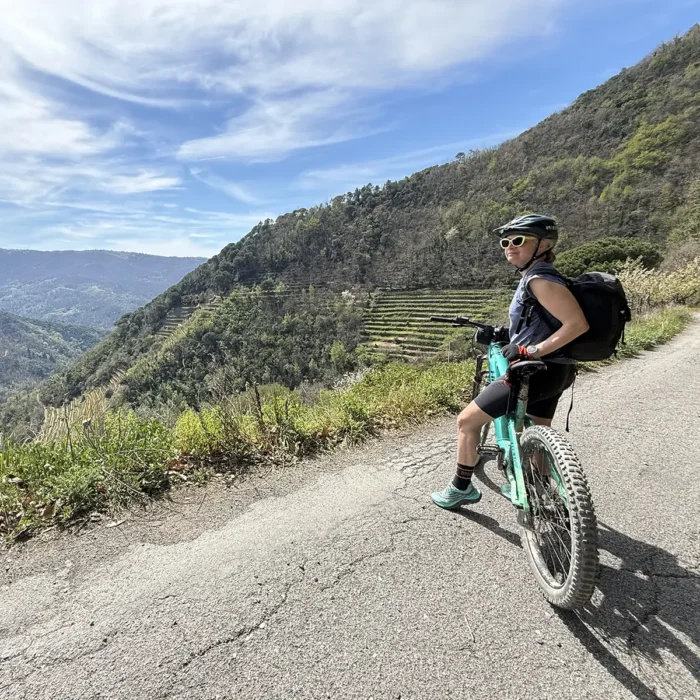
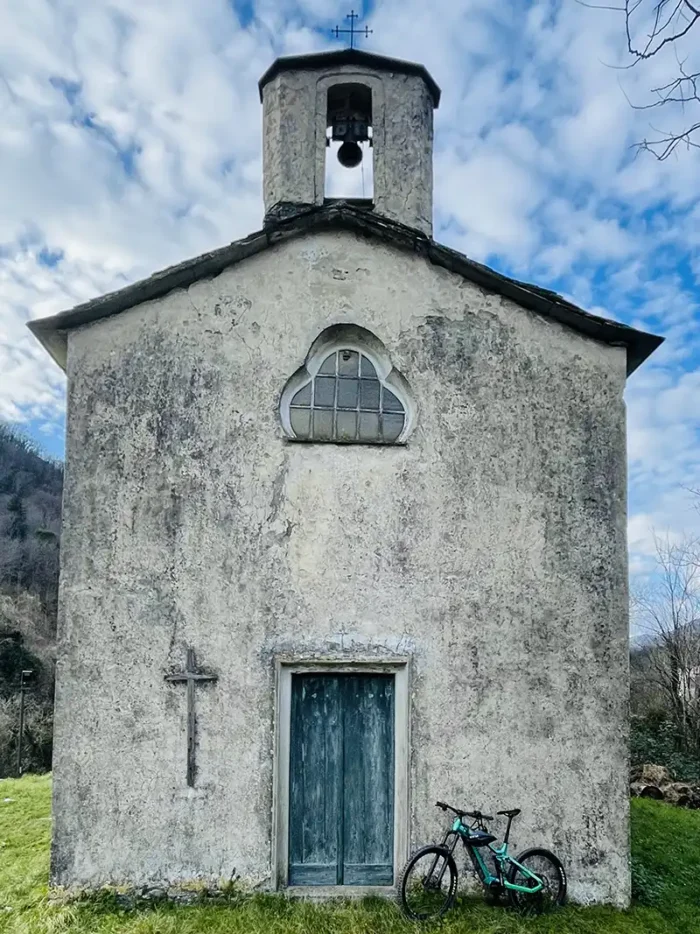
Trekking and cycling routes that may interest you
Itineraries of different durations and suitable for every taste and level of preparation, to discover the most beautiful and evocative places and panoramas of the Ligurian Tigullio.



Local experiences that might interest you
Let yourself be guided and be surprised by the hidden treasures that the Ligurian Tigullio area is capable of offering you in every season.

Sport
Hiking routes, climbing, mountain biking and much more… Choose the sport in contact with nature that’s right for you!

Culture
Shows, Theatre, Music, Food and Wine, Reading… Experience the cultural and artistic proposals, immersed in the Ligurian landscape.

Nature
Geology, bird watching, nature engineering and other initiatives, to cultivate awareness and responsibility for environmental issues.
More heritage that may interest you
Catalog of the tangible and intangible heritage, a precious resource of the Tigullio for community building and local development.


Join us!
Contribute to preserve the history and traditions of the Ligurian Tigullio area, and keep them alive for future generations.