

The cultivation of slate
Slate Cultivation Method: “Abandoned Chambers and Pillars”
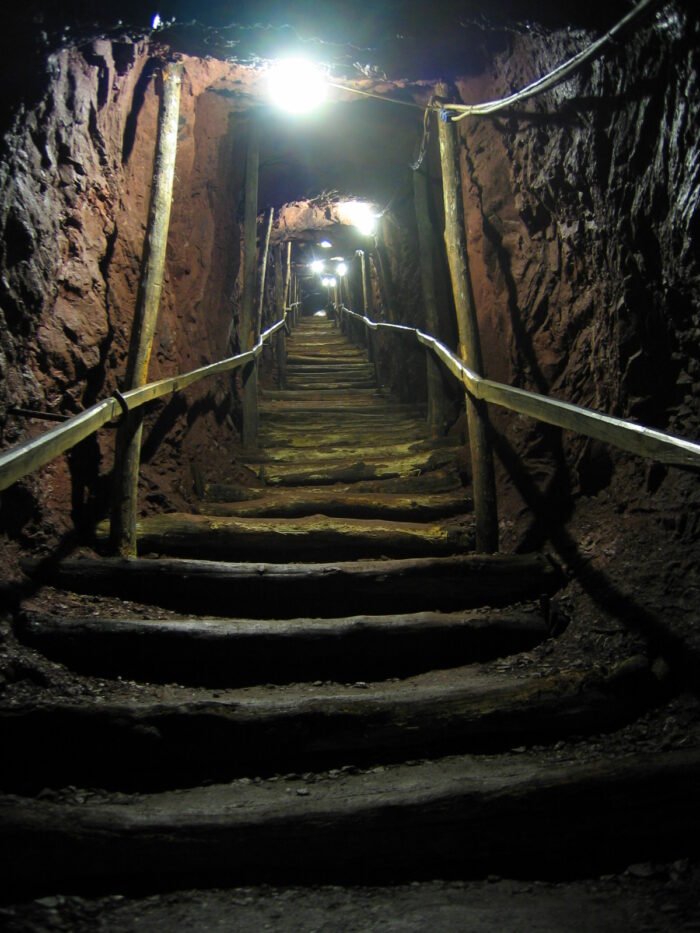
The “abandoned chambers and pillars” cultivation method is an ancient technique, already practiced in classical times, as evidenced by the Latomie of Syracuse. This method consists in excavating only a part of the useful rock, creating “cultivation chambers”, and leaving the residual part as “abandoned pillars” to support the overlying rock layers. This approach, intuitive in some ways, had to be adapted to specific local conditions, which included:
Quality and resistance of the overlying rocks
Energy availability
Presence of natural fractures and infiltrated water
Agricultural needs
Local Adaptations
In Liguria, specific conditions such as the poor quality of the encasing rocks, the presence of many natural fractures and the need to protect agricultural land from debris, imposed a particular type of cultivation.
Ascending Cultivation
This method, known as ascending cultivation, proceeded from the “bed” of the slate layer (called “threshold”) upwards, up to the “roof” of the quarry. This system allowed:
Accumulate the infiltration water at the bottom, keeping the work surface dry.
Allow debris to fall on site, reducing the need for costly transportation.
Cut out and drop the heavy slate blocks onto the already placed debris, making subsequent work easier.
Merits and Difficulties
The application and development of the “sky” method are attributed to the quarrymen of Cogorno. This method, however ingenious, presented considerable difficulties:
Physical Risks: Workers faced the constant danger of being crushed by blocks of rock that could break off prematurely and unexpectedly.
Physical Discomfort: Working with your arms raised above your head was extremely tiring, a condition described with the term “giamin”, which in the peasant language means excessive fatigue and sacrificed and painful work.
The abandoned chamber and pillar method was an ingenious solution to the challenges of slate quarrying, adapting to local conditions and minimizing some of the risks associated with underground working. However, it remained an arduous and physically demanding task for the quarrymen, who had to deal with both the immediate dangers and the ongoing discomfort of the job.

Sources
Porcella M., “Gli uomini dell’ardesia”, in Centro di Documentazione della Civica Biblioteca di San Colombiano Certenoli (a c. di), “L’ardesia della Fontanabuona e le sculture di Pietro Burzi”, Chiavari, Grafica Piemme, 2017, collana “Quaderni del Lascito Cuneo”
Savioli L., “Tecniche di produzione e lavorazione”, in Mannoni T. (a c. di), “Ardesia. Materia, Cultura, Futuro”, Genova, Sagep Editrice, 1995
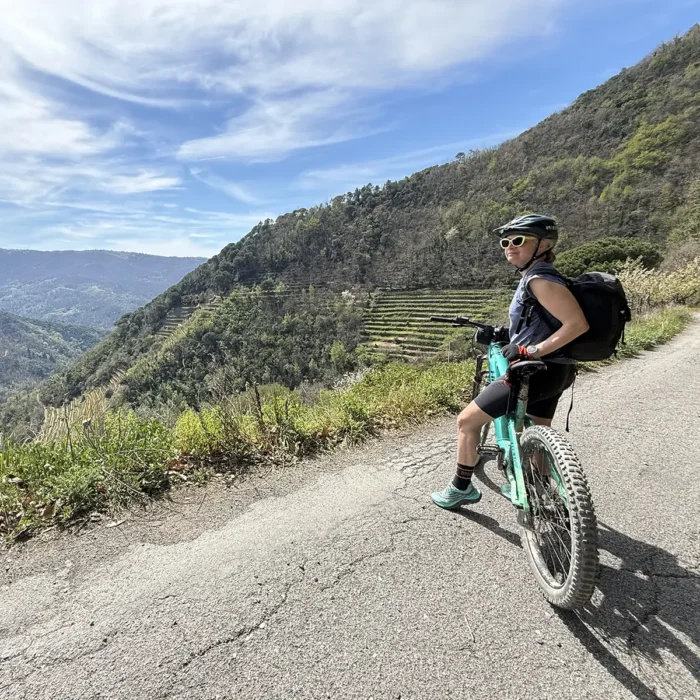
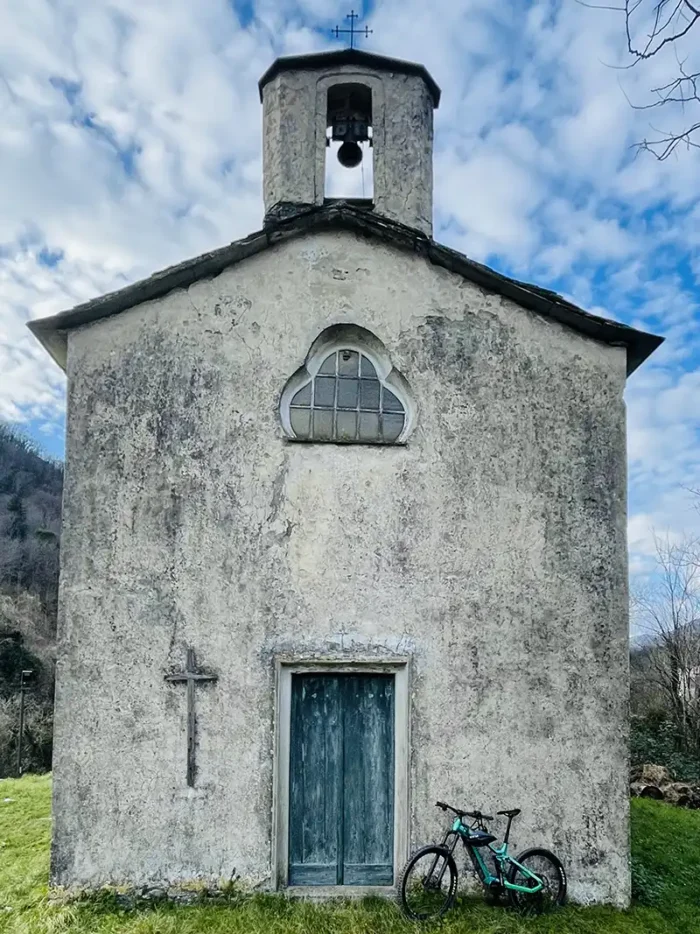
Trekking and cycling routes that may interest you
Itineraries of different durations and suitable for every taste and level of preparation, to discover the most beautiful and evocative places and panoramas of the Ligurian Tigullio.



Local experiences that might interest you
Let yourself be guided and be surprised by the hidden treasures that the Ligurian Tigullio area is capable of offering you in every season.
Sport
Hiking routes, climbing, mountain biking and much more… Choose the sport in contact with nature that’s right for you!

Culture
Shows, Theatre, Music, Food and Wine, Reading… Experience the cultural and artistic proposals, immersed in the Ligurian landscape.

Nature
Geology, bird watching, nature engineering and other initiatives, to cultivate awareness and responsibility for environmental issues.
More heritage that may interest you
Catalog of the tangible and intangible heritage, a precious resource of the Tigullio for community building and local development.






Join us!
Contribute to preserve the history and traditions of the Ligurian Tigullio area, and keep them alive for future generations.