

The slate over time
Slate, olive trees and sea
Slate is one of the three distinctive elements of Tigullio, together with olive trees and the sea. Its origin dates back to a very fine silt deposited on the seabed seventy-sixty million years ago, during the era of the dinosaurs. When it is extracted and processed, its color brought to light recalls that of the sea depths, an intense blue close to black.
History of Slate
Slate processing has ancient roots, dating back to the Tigulli, a Ligurian population who already in the eighth century BC. he flaked the rock to obtain slabs, called tégule. Subsequently, medieval stonecutters used slate to construct buildings such as the Fieschi palace in San Salvatore. Today, slate is used in new works of art, small objects and home furnishings.
Extraction Techniques
The first slate extraction activities took place in the open air, using pickaxes, wedges and sledgehammers. The slabs obtained were mainly used to cover nearby buildings. As demand increased, we moved to underground mining, using techniques such as the “sky” (or “roof”) method and the “ground” (or “threshold”) method. The “sky” method was widely used in the oldest quarries in the Cogorno area and involved detaching the blocks from top to bottom. The “on the ground” technique, subsequently preferred and most used in the Fontanabuona quarries, proceeded to detach the blocks at the bottom, i.e. on the ground, and then lift them with levers and crowbars.
Evolution of Extraction
In Valfontanabuona, the slate industry benefited from the introduction of electricity and chain cutting machines starting from 1948. These machines allowed blocks of standard dimensions of 1.20 x 2.40 x 1.00 m to be extracted, although these could vary based on the structure of the rock. Mechanization has led to different cultivation techniques, such as extraction with support pillars or pit cultivation for banks with slopes greater than 45°.
Historical and Modern Productions
Fontanabuona slate is known for its ability to be worked into thin, wide and resistant sheets, ideal for school blackboards and billiard tables. The latter sector represents 70% of total production and products are exported to North America (55%), Asia (15%), Australia (5%), Europe (20%) and other countries (5%).
Impact and Valorization
The slate production cycle, from its extraction to processing, has undergone notable technological and industrial transformations. These changes have made it possible to improve the efficiency and quality of the products, positioning Valfontanabuona slate as an important economic and cultural resource. The tourist valorisation of the mining areas represents a way for environmental protection and the promotion of the historical-cultural heritage of the region.

Fonti
Brandolini P., Lagomarsino R., Nicchia P., Terranova R., “Recupero e valorizzazione turistica di emergenze geomorfologiche ambientali e storico-culturali nelle aree delle ardesie interessate da attività estrattive nell’Appennino ligure”, in Terranova R., Brandolini P., Firpo M. (a 76c. di), “La valorizzazione turistica dello spazio fisico come via alla salvaguardia ambientale”, Bologna, Pàtron Editore, 2005.
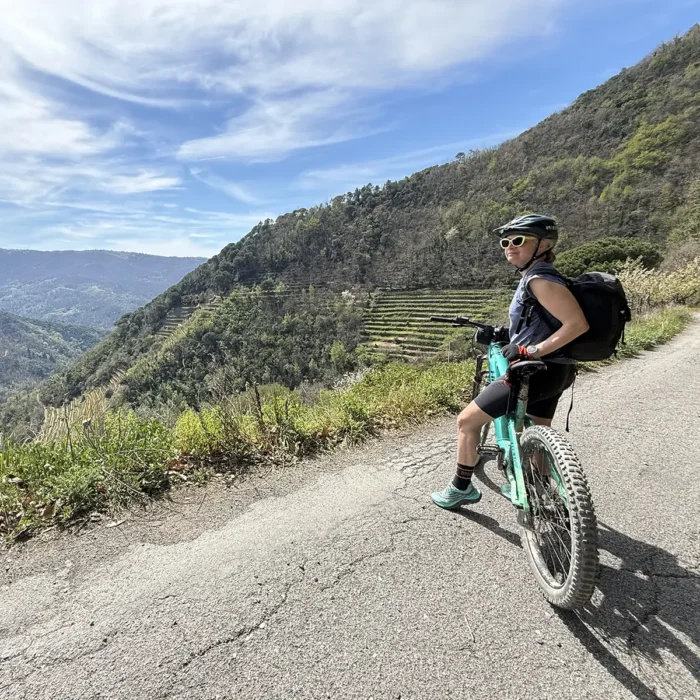
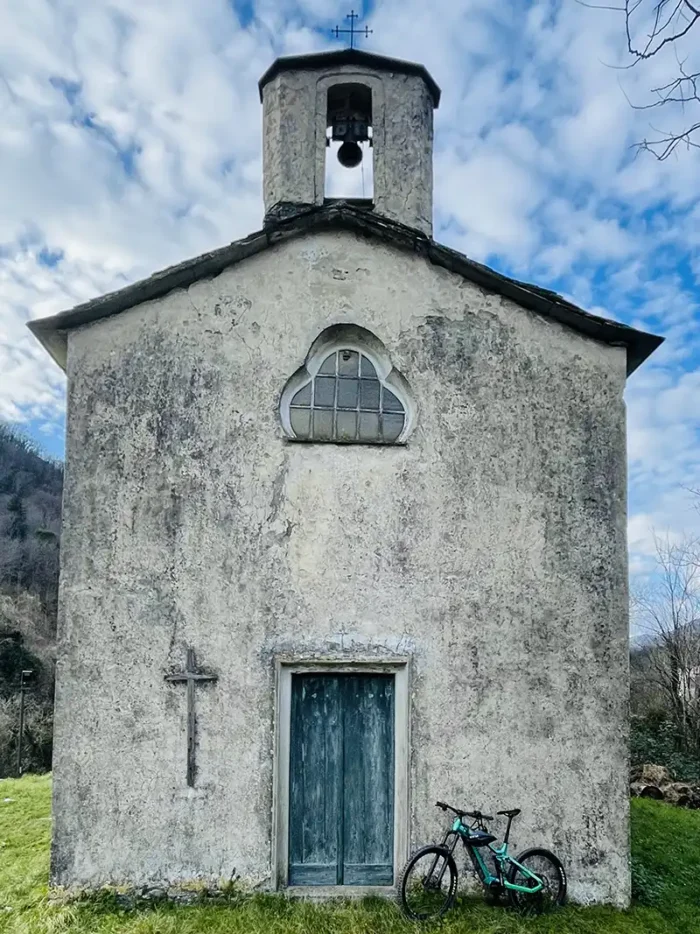
Trekking and cycling routes that may interest you
Itineraries of different durations and suitable for every taste and level of preparation, to discover the most beautiful and evocative places and panoramas of the Ligurian Tigullio.



Local experiences that might interest you
Let yourself be guided and be surprised by the hidden treasures that the Ligurian Tigullio area is capable of offering you in every season.
Sport
Hiking routes, climbing, mountain biking and much more… Choose the sport in contact with nature that’s right for you!

Culture
Shows, Theatre, Music, Food and Wine, Reading… Experience the cultural and artistic proposals, immersed in the Ligurian landscape.

Nature
Geology, bird watching, nature engineering and other initiatives, to cultivate awareness and responsibility for environmental issues.
More heritage that may interest you
Catalog of the tangible and intangible heritage, a precious resource of the Tigullio for community building and local development.


Join us!
Contribute to preserve the history and traditions of the Ligurian Tigullio area, and keep them alive for future generations.