

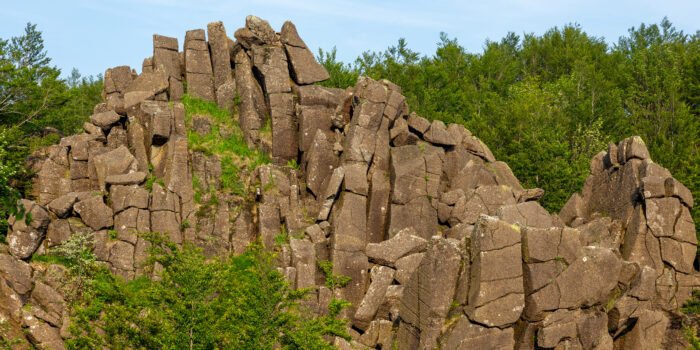
The Ligurian landscape: a world of stone
The Harmonious Interaction between Man and Nature in the Ligurian Landscape
The Italian natural environment has been profoundly modified by the work of man, who has acted on the territory of the peninsula for thousands of years. In this way, new landscapes have been built which, due to the balance achieved between respect for nature and human needs, can be considered more harmonious than the original natural landscape.
The mountainous nature of Liguria
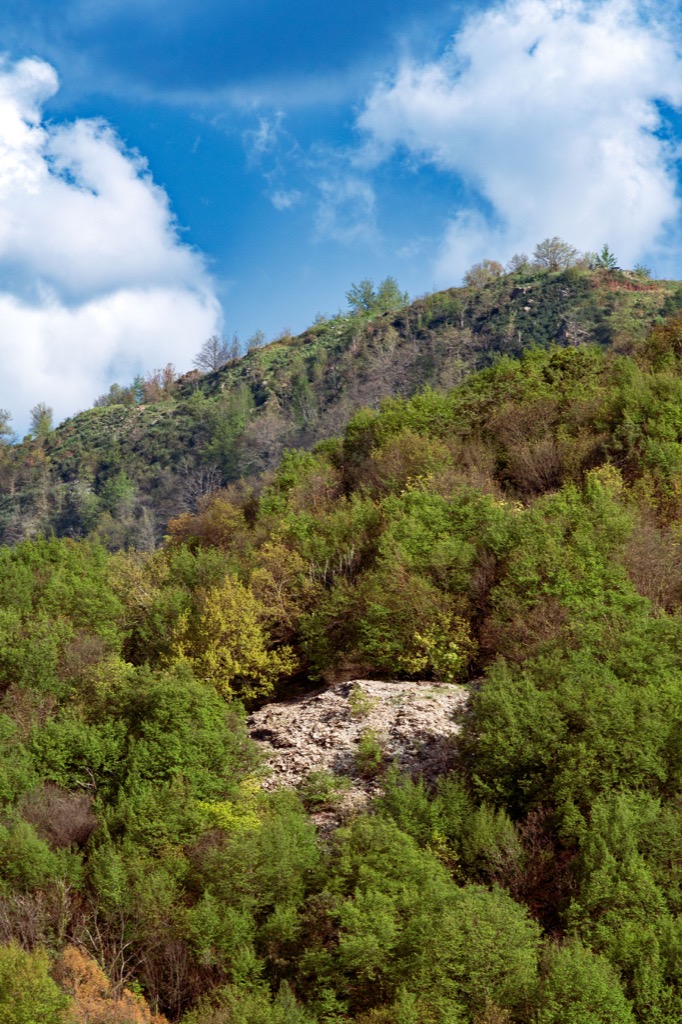
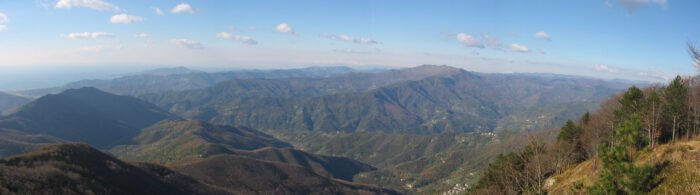
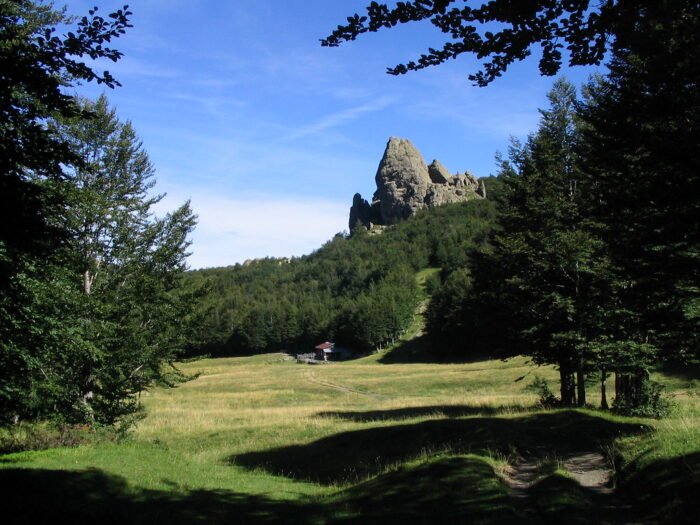
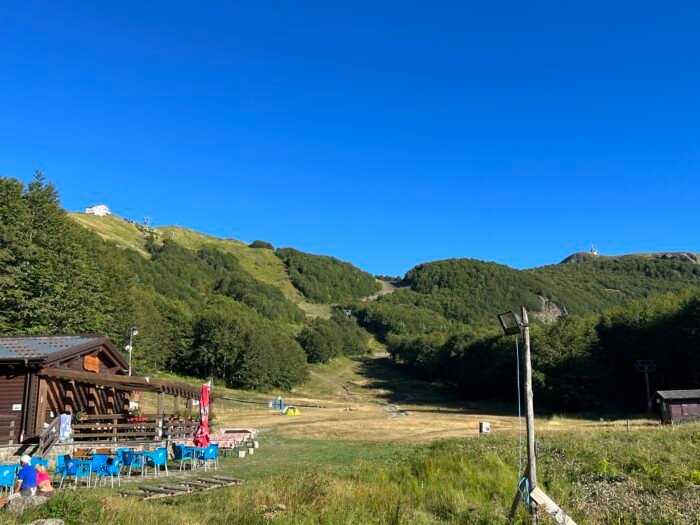
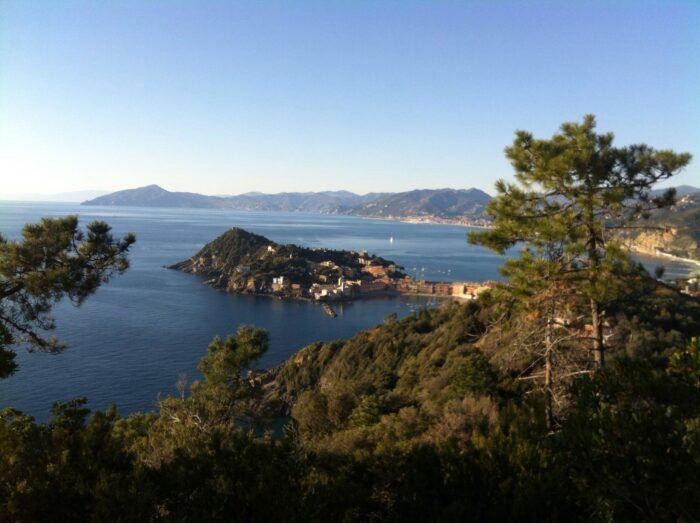
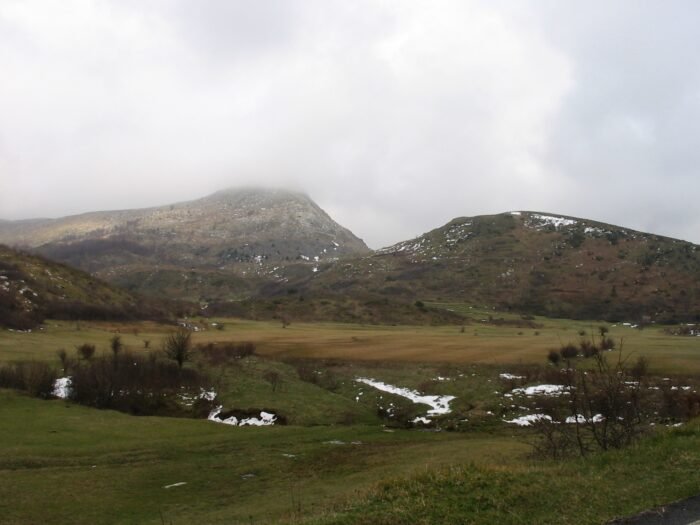
When we think of the Ligurian natural landscape, we immediately imagine an almost entirely mountainous territory, characterized by the reliefs of the Apennine and Alpine chains. Liguria is also the region richest in forests, with modest-sized river basins and highly incised valley axes, with narrow alluvial plains open onto the coastal area.
The Ligurian Landscape: An Organic Unity
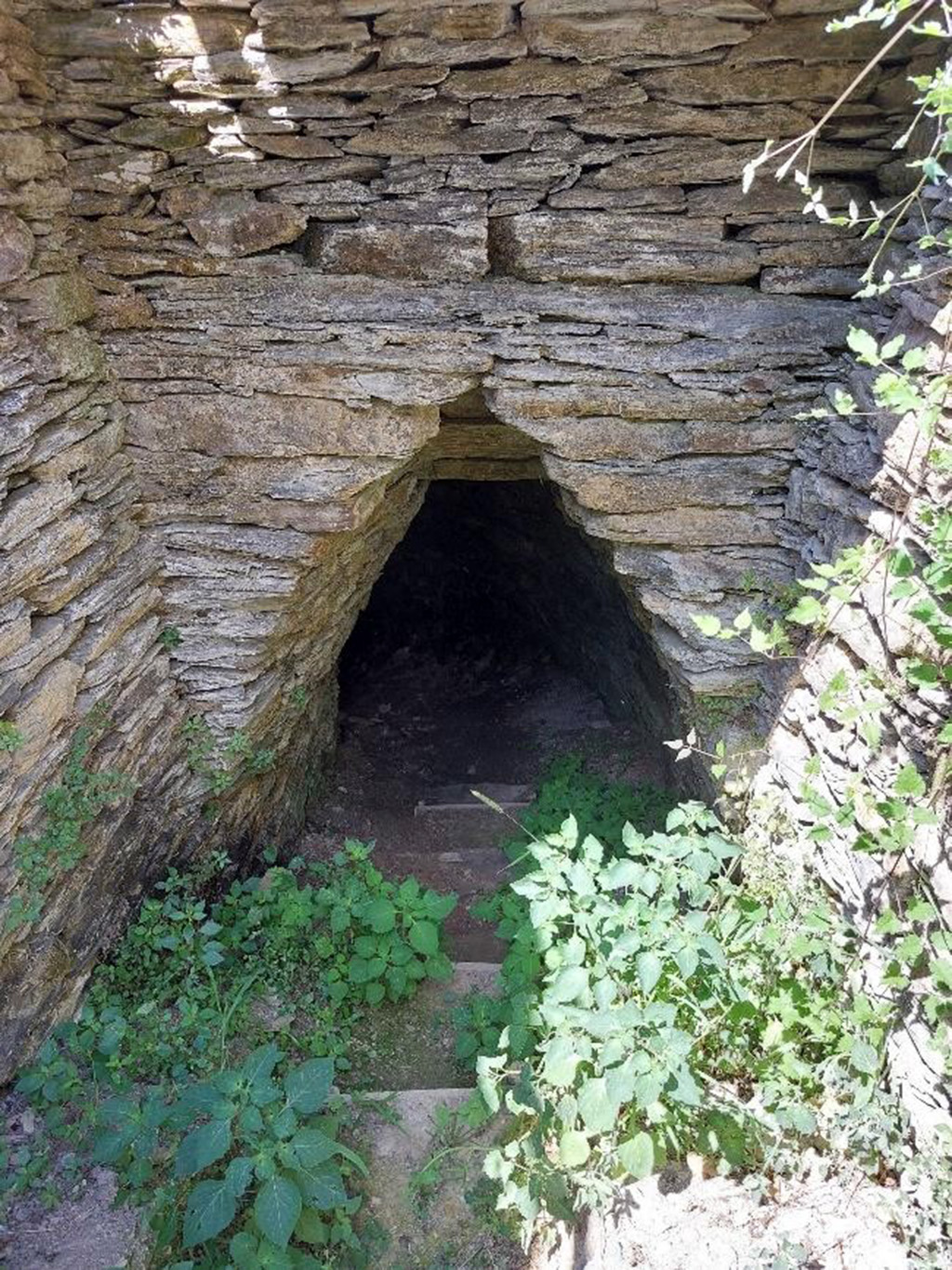
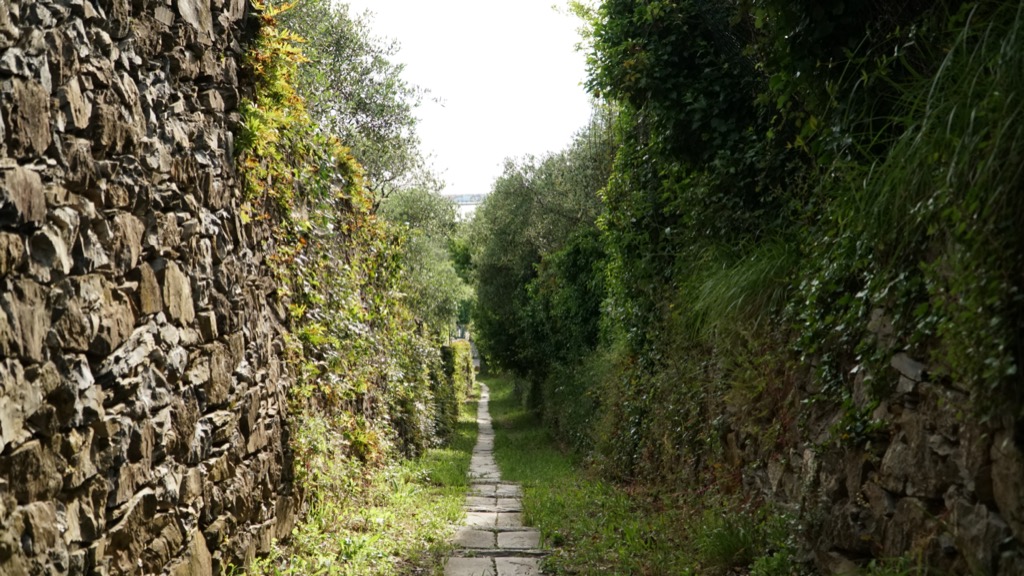
Can we talk about the Ligurian landscape? Territorial observation leads to the detection, over more or less extensive spaces, of the repetition of combinations of real objects and phenomena that can be ordered and organized in a constant way and according to homogeneous combinations. In the case of Liguria, the terraces built with dry stone walls highlight these combinations. The mountains, the woods, the steep slopes and the terraces constitute an organic unit where all the elements have their own function.
The Ingenuity of the Ligurian Terraces
In Liguria, terraces were built to exploit the natural slopes, where the difference in height limited the possibility of using the land, and to increase the land intended for cultivation. Our region represents an exemplary example of how the relationship between man and the environment has been close in the past and, above all, of how it has achieved a harmonious balance.
A Hidden Heritage
This world of stone and terraces, which cover almost the entire Ligurian surface (consider that out of a total of 5420 km², around 3000 are terraced), demonstrates an intense planning project that dates back to ancient times. Although they have mostly disappeared from our sight because they are in a state of abandonment, hidden by scrub or hidden by woods, these terraces bear witness to the ingenuity and perseverance of past generations in shaping the landscape to make it fertile and productive.
Sources
Allegri R., “Il paesaggio ligure, un mondo di pietra, la costruzione dei terrazzamenti”, Regione Liguria-Assessorato alle Politiche dell’Agricoltura e dell’Entroterra, Genova, De Ferrari&Devega, 2003
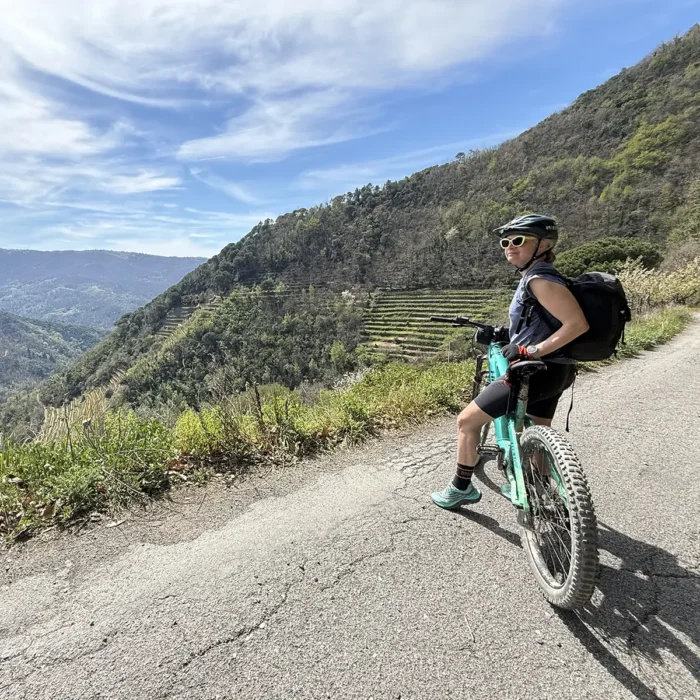
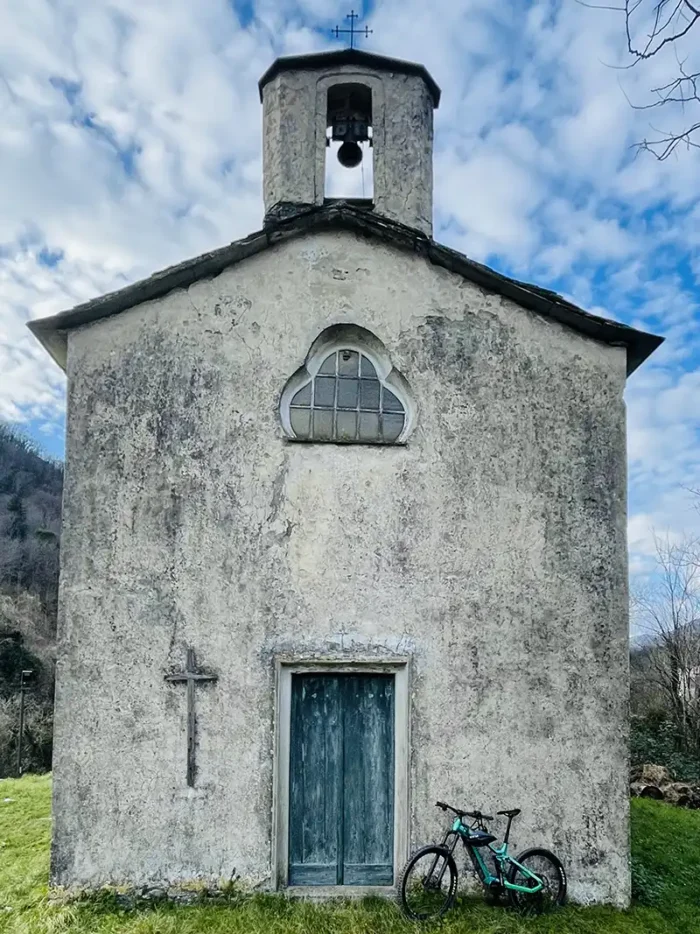
Trekking and cycling routes that may interest you
Itineraries of different durations and suitable for every taste and level of preparation, to discover the most beautiful and evocative places and panoramas of the Ligurian Tigullio.



Local experiences that might interest you
Let yourself be guided and be surprised by the hidden treasures that the Ligurian Tigullio area is capable of offering you in every season.
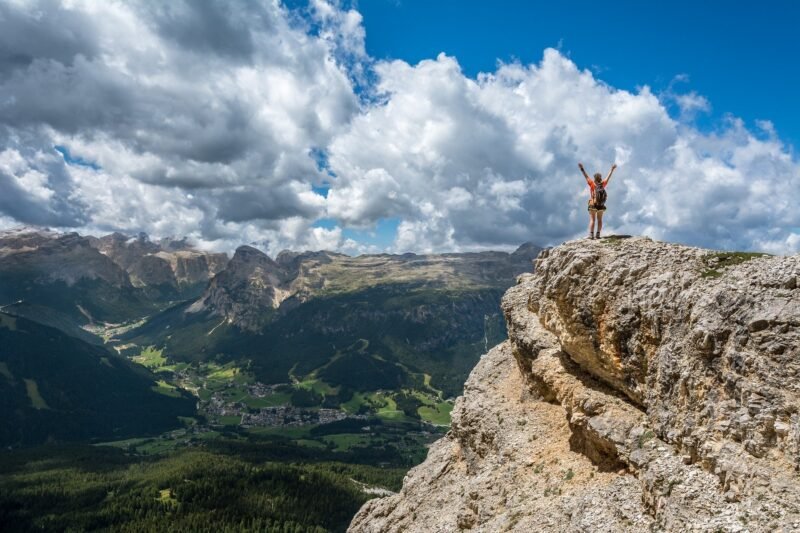
Sport
Hiking routes, climbing, mountain biking and much more… Choose the sport in contact with nature that’s right for you!

Culture
Shows, Theatre, Music, Food and Wine, Reading… Experience the cultural and artistic proposals, immersed in the Ligurian landscape.

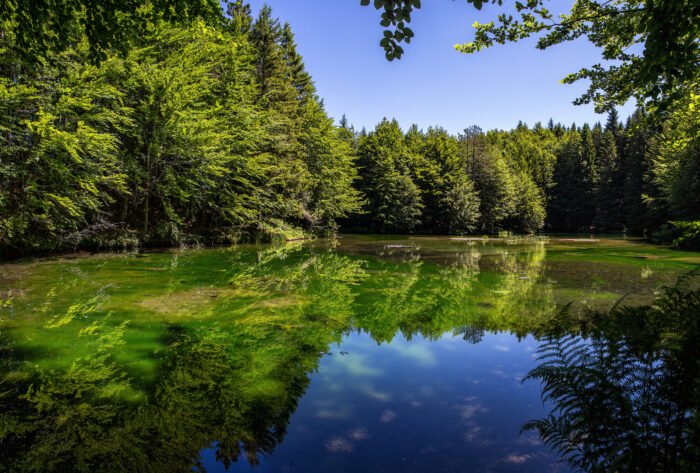
Nature
Geology, bird watching, nature engineering and other initiatives, to cultivate awareness and responsibility for environmental issues.
More heritage that may interest you
Catalog of the tangible and intangible heritage, a precious resource of the Tigullio for community building and local development.



Join us!
Contribute to preserve the history and traditions of the Ligurian Tigullio area, and keep them alive for future generations.