History and culture: Civil architecture, Military architecture, fortifications and castles


History and culture: Civil architecture, Military architecture, fortifications and castles
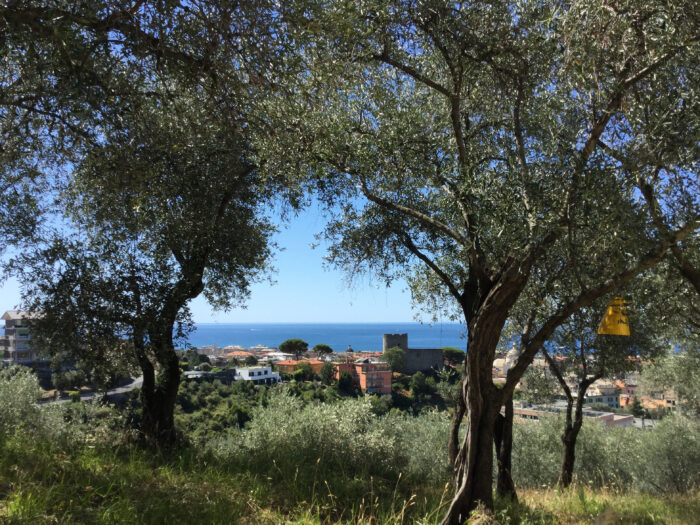
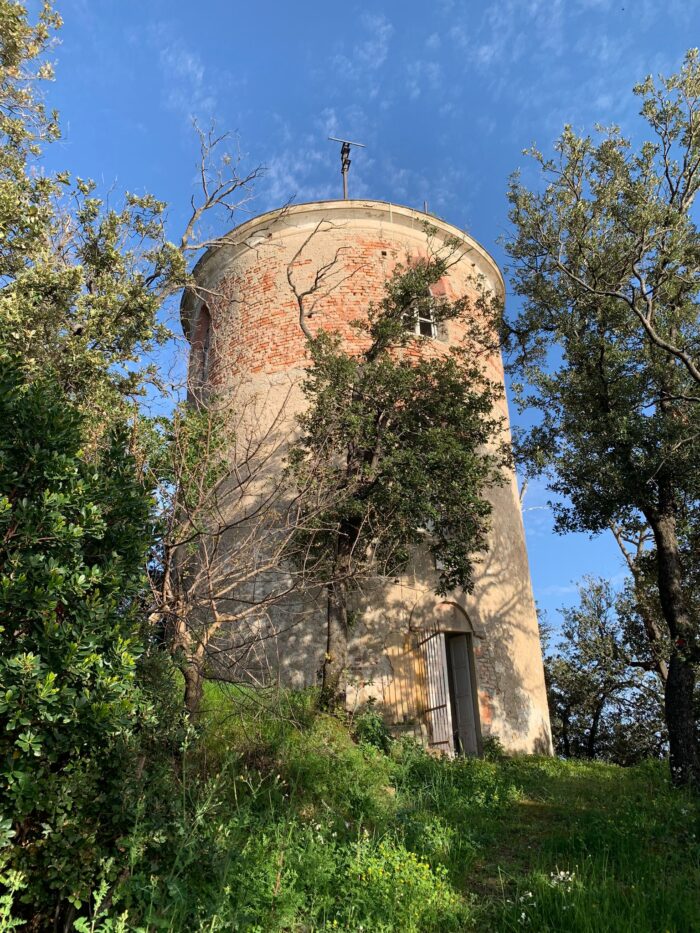
Chiavari Castle is one of the most evocative and historically significant sites in the Ligurian city of Chiavari. Situated on the hill overlooking the historic center and the ancient medieval citadel, the castle represents a precious testament to the medieval defensive strategies of the Gulf of Tigullio and the central role Chiavari played over the centuries in controlling the coastal territory and the Entella Valley.
Today, among the remains of walls, cisterns, and the mighty surviving tower, this historic site tells a story of sieges, reconstructions, and urban transformations that have shaped the landscape of the Ligurian Riviera.
The castle was built between 1146 and 1147, becoming one of the first fortifications in the Tigullio area. Its elevated position allowed it to control the ancient fishing village of Clavari, now Chiavari, and to monitor the surrounding valley, a commercial and military crossroads between the coast and the Apennine hinterland.
Over the centuries, the fortress was involved in numerous conflicts between the great families and factions of medieval Liguria.
Among the most significant historical events:
– 1172 – first siege led by Opizzino Spinola
– 1278 – temporary conquest of the castle by Moruello Malaspina and Alberto Fieschi
– 14th century – repeated destruction and reconstruction during the struggles between the Guelphs and Ghibellines
During this period, Chiavari also built a mighty medieval wall with seven gates and fourteen watchtowers, transforming the village into a true fortified citadel.
Even today, strolling through the city, you can still see traces of the ancient medieval walls, evidence of the complex defensive structure that protected the town.
In the 15th century, the castle’s military function began to decline. The decision to scale back its role was made by the powerful Republic of Genoa, which preferred to strengthen the coastal citadel, which was more effective in defending the city from attacks by Barbary pirates arriving from the sea.
The urban development project was promoted in 1404 by the French Marshal Jean Le Meingre, governor of the Genoese Republic on behalf of Emperor Charles IV of France. The design was entrusted to the Chiavari architect Martino della Torre.
Over the centuries, the castle was gradually abandoned, and, starting in 1575, many parts of the structure were demolished.
Despite the demolitions, the site still retains several architectural elements of great historical and archaeological interest:
– the well-preserved main tower;
– a fortified parade ground on the opposite side;
– traces of the walls that connected the castle to the citadel;
– two large water cisterns, essential for survival during sieges.
These elements provide insight into the fortress’s organization and Chiavari’s medieval defense system.
The castle has been privately owned since 1993, but it remains one of the most recognizable historical symbols of the city skyline.
Between 2007 and 2008, the castle underwent structural monitoring due to a slow oscillation of the ground on which the building rests.
The analyses, conducted by the Municipality of Chiavari together with the University of Genoa and the Superintendence of Architectural Heritage, detected a movement of approximately one millimeter per month downstream, for a total of nine millimeters in nine months.
After a period of settling, the movement reversed with a slight oscillation upstream, a phenomenon dubbed by the local press as the “castle swaying.”
To study the building’s structural behavior, sensors and control systems were installed that automatically transmit data to the Department of Engineering at the University of Genoa, with updates every six hours.
This curious phenomenon has also made Chiavari Castle an interesting case study for geotechnical and structural engineering.
Today, Chiavari Castle is a place brimming with charm: a noble ruin that dominates the city and recounts over eight centuries of Ligurian history.
From the hill on which it stands, the view encompasses the historic center, the Tigullio Sea, and the Entella Valley. Here, visitors can experience the interplay between landscape, medieval architecture, and historical memory, imagining the sentinels who watched the horizon or the sieges that marked the city’s history.
The castle thus remains one of the symbols of Chiavari’s historical heritage, where scientific research, archaeology, and the charm of the Middle Ages continue to intersect.

Stefano Chiesa
Pubblicazione “L’edificazione di Chiavari e del Castello “
Itineraries of different durations and suitable for every taste and level of preparation, to discover the most beautiful and evocative places and panoramas of the Ligurian Tigullio.
Let yourself be guided and be surprised by the hidden treasures that the Ligurian Tigullio area is capable of offering you in every season.

Hiking routes, climbing, mountain biking and much more… Choose the sport in contact with nature that’s right for you!

Shows, Theatre, Music, Food and Wine, Reading… Experience the cultural and artistic proposals, immersed in the Ligurian landscape.

Geology, bird watching, nature engineering and other initiatives, to cultivate awareness and responsibility for environmental issues.
Catalog of the tangible and intangible heritage, a precious resource of the Tigullio for community building and local development.
Contribute to preserve the history and traditions of the Ligurian Tigullio area, and keep them alive for future generations.